
Personal Growth

Recent Content

The Only Life You Have

The Only Life You Have

Post

Kazuo Ishiguro writes about the lives we did not choose. Discover why accepting the life you are actually living is its own form of quiet courage.

Habit Over Inspiration

Habit Over Inspiration

Post

Octavia Butler knew inspiration is unreliable. Discover why the writers and creators who last are the ones who show up by habit, not by feeling.

The Hardest Thing to See

The Hardest Thing to See

Post

George Orwell believed clarity is an act of courage. Discover how seeing things plainly -- and saying so -- transforms both your thinking and your life.

Show, Don't Announce

Show, Don't Announce

Post

Anton Chekhov believed the most powerful writing never announces itself. Discover how showing instead of telling transforms the way you communicate and connect.

Beauty as the Last Rebellion

Beauty as the Last Rebellion

Post

Fyodor Dostoevsky believed beauty holds a redemptive power most of us overlook. Discover what he meant and how it applies to the way you move through the world.

See All Content
Terms and ConditionsDo Not Sell or Share My Personal InformationPrivacy PolicyPrivacy NoticeAccessibility NoticeUnsubscribe
Copyright © 2026 Inspirational Quotes

Your Thoughts Shape Reality

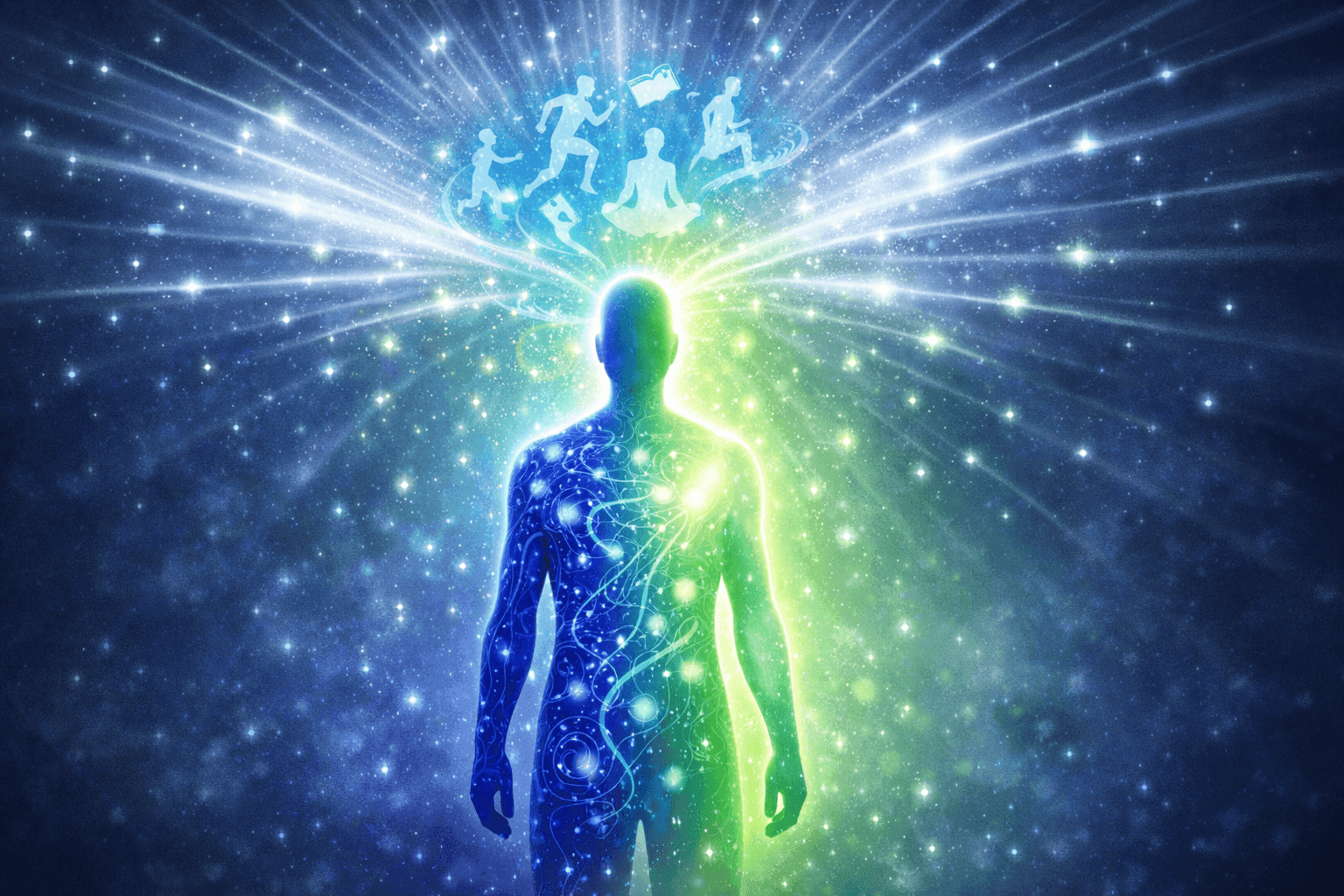
Inspirational image for quote

"What we think, we become."

— Buddha

Buddha, born Siddhartha Gautama around 563 BCE in what is now Nepal, was a spiritual teacher whose insights formed the foundation of Buddhism, one of the world's major religions practiced by over 500 million people today. Born into royalty, he abandoned his privileged life at age 29 to seek understanding of human suffering. After years of ascetic practice and deep meditation, he achieved enlightenment under the Bodhi tree, discovering the Middle Way between extreme indulgence and extreme asceticism. For 45 years, Buddha traveled throughout India teaching the Four Noble Truths and the Eightfold Path, emphasizing that suffering originates in the mind and liberation comes through transforming mental patterns. His teachings on mindfulness, impermanence, and the power of thought have profoundly influenced Eastern and Western philosophy, psychology, and personal development for over 2,500 years.

SUCCESS
MINDSET
TRANSFORMATION

Context

Buddha taught this principle after observing that two people experiencing identical external events often have completely different internal experiences based solely on their thinking patterns. The quote captures a core Buddhist insight: your habitual thoughts create neural pathways that shape perception, which drives behavior, which generates results, which reinforce the original thoughts. This creates a self-fulfilling cycle. Think "I'm capable" repeatedly and you notice opportunities, take action, build competence, and become capable. Think "I'm inadequate" and you avoid challenges, miss opportunities, atrophy skills, and become inadequate. Your thoughts don't just describe reality, they actively construct it. This isn't mystical but mechanical: your brain cannot distinguish between vividly imagined experiences and real ones, so repeated thoughts literally rewire your neural architecture. Buddha recognized that changing external circumstances without changing thought patterns produces no lasting transformation. True change requires mental discipline, replacing destructive thought loops with constructive ones through consistent practice.

Today's Mantra

I choose thoughts that align with who I want to become.

Reflection Question

What recurring thought pattern dominates your internal dialogue? If you continued thinking this way for the next five years, who would you become?

Application Tip

Practice thought replacement for one week. Carry a small notepad and make a mark each time you catch a limiting thought: "I can't," "I'm not," "That's impossible." Don't judge yourself, just track. At week's end, count your marks and choose one recurring negative thought. Write its opposite on an index card. For the next 30 days, read this new thought aloud ten times each morning. Your brain will resist at first, but neural pathways reshape through repetition. Track changes in your behavior and circumstances as your mental patterns shift.