
Personal Growth

Recent Content

Writing to Find Out

Writing to Find Out

Post

Flannery O'Connor believed writing was how she found out what she truly thought. Discover what this reveals about the power of putting ideas into words.

The Art of Failing Better

The Art of Failing Better

Post

Samuel Beckett wrote the most famous instruction for anyone who has ever failed. Discover why trying again after failure is the only move that actually matters.

The Only Life You Have

The Only Life You Have

Post

Kazuo Ishiguro writes about the lives we did not choose. Discover why accepting the life you are actually living is its own form of quiet courage.

Habit Over Inspiration

Habit Over Inspiration

Post

Octavia Butler knew inspiration is unreliable. Discover why the writers and creators who last are the ones who show up by habit, not by feeling.

Show, Don't Announce

Show, Don't Announce

Post

Anton Chekhov believed the most powerful writing never announces itself. Discover how showing instead of telling transforms the way you communicate and connect.

See All Content
Terms and ConditionsDo Not Sell or Share My Personal InformationPrivacy PolicyPrivacy NoticeAccessibility NoticeUnsubscribe
Copyright © 2026 Inspirational Quotes

The Hardest Thing to See

Inspirational image for quote

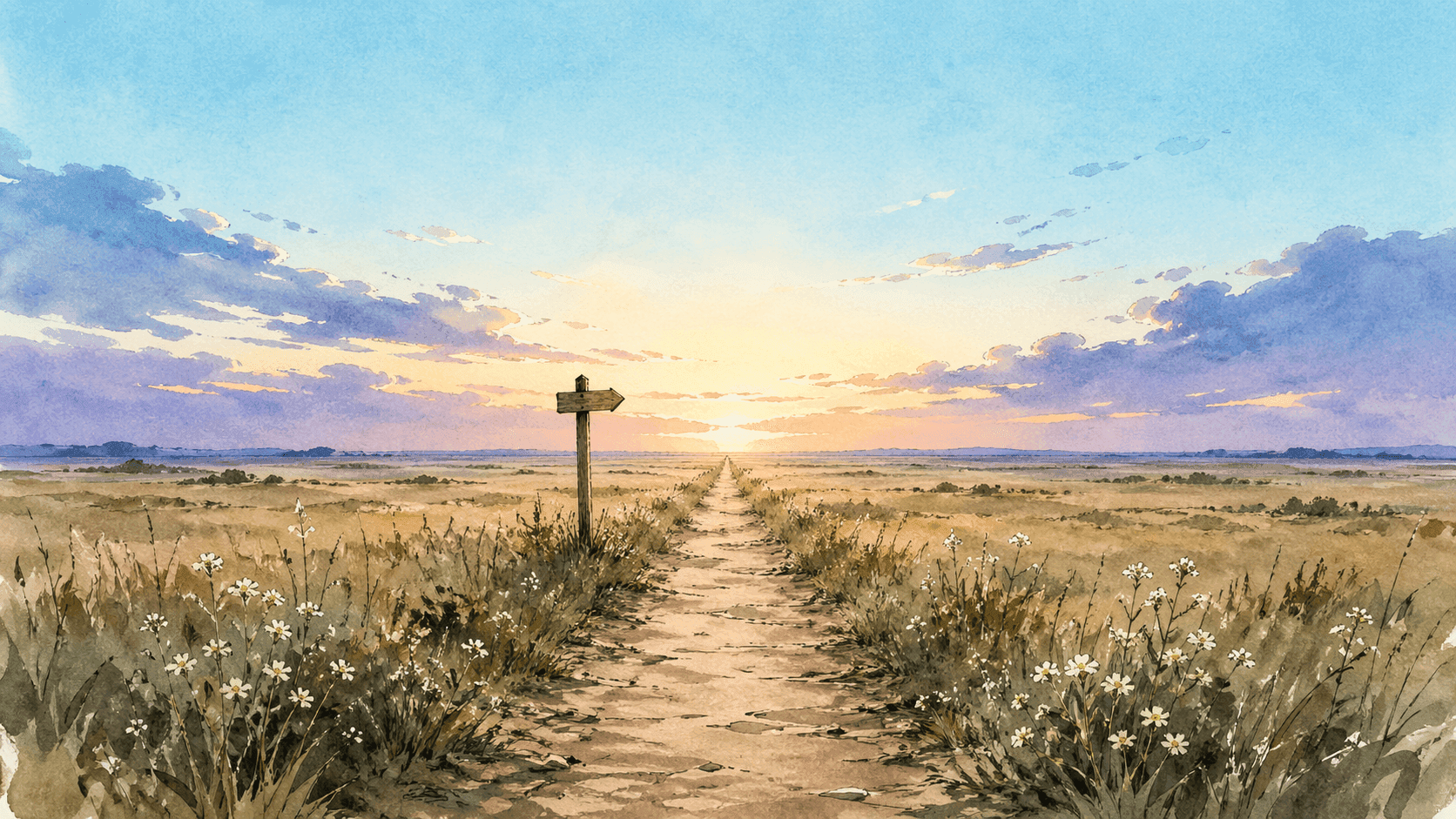
"To see what is in front of one's nose needs a constant struggle."

— George Orwell

George Orwell (1903-1950) was an English novelist, essayist, and critic whose work remains among the most cited in the English language. Born Eric Blair in British India and educated at Eton, he rejected the path expected of him and spent years living among the poor in Paris and London, working as a dishwasher, hop picker, and bookshop assistant while writing his way toward something he could stand behind. His experiences fighting in the Spanish Civil War and watching political language corrupt thought on all sides shaped his two most famous works, Animal Farm and Nineteen Eighty-Four. He died of tuberculosis in 1950, just months after finishing Nineteen Eighty-Four, at forty-six. His essays -- particularly Politics and the English Language and Shooting an Elephant -- remain as sharp today as the day they were written.

PERSONAL GROWTH
CLARITY
HONESTY

Context

Orwell wrote this as the opening line of a 1946 essay called In Front of Your Nose, and what follows is a catalogue of the ways intelligent people manage not to see the obvious -- not from stupidity, but from preference. The things hardest to see clearly are rarely obscure. They are the beliefs we depend on, the contradictions we have arranged our lives around, the uncomfortable facts whose acknowledgment would require us to change something. Orwell spent his career insisting that this kind of willful not-seeing is a moral failure as much as an intellectual one -- that clarity is not a gift some people have but a discipline anyone can practice, provided they are willing to pay the price of what they find. The struggle he describes is lifelong precisely because the pressure not to see is also constant.

Today's Mantra

I look at what is plainly there, especially when I would rather not.

Reflection Question

What is something you already know -- about your work, a relationship, your habits, or your direction -- that you have been managing not to look at directly? Not because the information is hidden, but because seeing it plainly would require you to do something about it?

Application Tip

Once this week, pick one area of your life where you suspect you are not seeing clearly, and write a single honest paragraph about what is actually happening -- not what you wish were happening, not what you plan to fix, but what is plainly true right now. Do not share it. Do not act on it immediately. Just write it. Orwell's point is that the struggle begins with the willingness to look. Everything else follows from there.