
Creativity & Purpose

Recent Content

Writing to Find Out

Writing to Find Out

Post

Flannery O'Connor believed writing was how she found out what she truly thought. Discover what this reveals about the power of putting ideas into words.

The Art of Failing Better

The Art of Failing Better

Post

Samuel Beckett wrote the most famous instruction for anyone who has ever failed. Discover why trying again after failure is the only move that actually matters.

The Only Life You Have

The Only Life You Have

Post

Kazuo Ishiguro writes about the lives we did not choose. Discover why accepting the life you are actually living is its own form of quiet courage.

Habit Over Inspiration

Habit Over Inspiration

Post

Octavia Butler knew inspiration is unreliable. Discover why the writers and creators who last are the ones who show up by habit, not by feeling.

The Hardest Thing to See

The Hardest Thing to See

Post

George Orwell believed clarity is an act of courage. Discover how seeing things plainly -- and saying so -- transforms both your thinking and your life.

See All Content
Terms and ConditionsDo Not Sell or Share My Personal InformationPrivacy PolicyPrivacy NoticeAccessibility NoticeUnsubscribe
Copyright © 2026 Inspirational Quotes

Show, Don't Announce

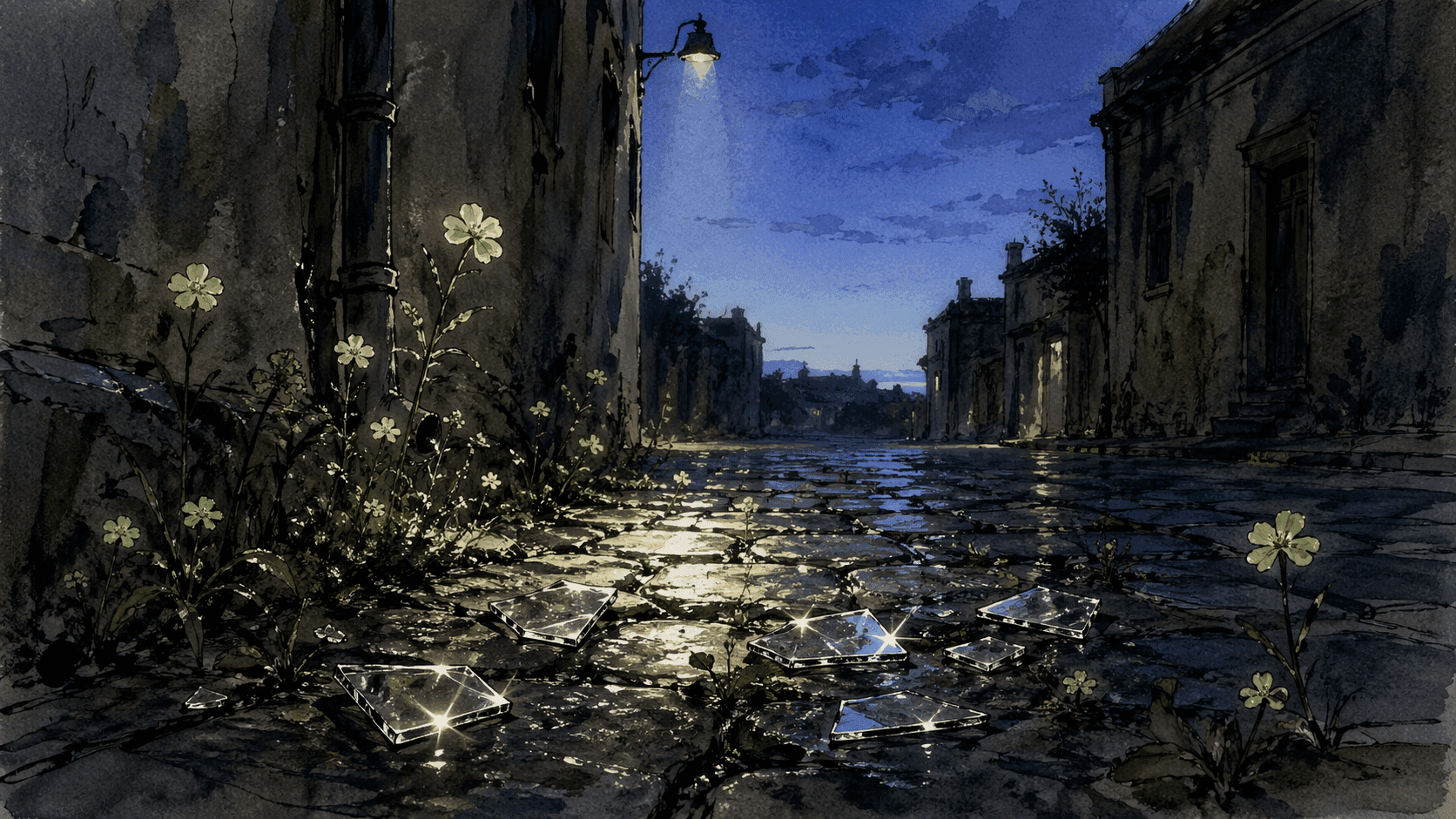
Inspirational image for quote

"Don't tell me the moon is shining; show me the glint of light on broken glass."

— Anton Chekhov

Anton Chekhov (1860-1904) was a Russian writer who transformed the short story and the stage play into something modern literature is still catching up to. Born the grandson of a serf in Taganrog, he put himself through medical school while writing comic sketches to support his family, then gradually shifted toward work of extraordinary depth and restraint. His plays -- The Seagull, Uncle Vanya, Three Sisters, The Cherry Orchard -- and his hundreds of short stories established the principle that the most important things in a scene are the ones never directly stated. He practiced medicine until tuberculosis made it impossible, died at forty-four, and left behind a body of work that continues to define what precision in writing looks like.

CREATIVITY AND PURPOSE
COMMUNICATION
INTENTIONAL LIVING

Context

Chekhov wrote this in a letter to his brother Alexander, who was also attempting to write fiction and kept producing work that told readers what to feel rather than showing them enough to feel it themselves. The instruction sounds like craft advice, and it is -- but it reaches well past writing. Most of us spend enormous effort announcing our intentions, explaining our emotions, and labeling our experiences rather than simply living them with enough presence that others can see. The glint on the broken glass is not more dramatic than the moon; it is more specific, and specificity is what carries weight. Chekhov wrote more than six hundred stories and four major plays, almost entirely by trusting this principle: the right concrete detail does more work than any amount of direct statement, and the reader who discovers meaning for themselves will hold it longer than the reader who was told what to think.

Today's Mantra

I trust the concrete detail to carry what no announcement ever could.

Reflection Question

Where in your life are you telling when you could be showing -- announcing a value you hold, a feeling you have, or a person you want to be, rather than simply acting in ways that make the announcement unnecessary? What specific detail, gesture, or action would say it better than any words?

Application Tip

This week, find one conversation -- at work, at home, or in writing -- where you would normally explain or label something, and replace it with a single concrete detail instead. If you want to express gratitude, describe the specific moment rather than saying you're grateful. If you want to convey confidence, name the one thing you know for certain rather than claiming certainty in general. Chekhov's principle holds outside of fiction: the specific image lands where the general statement slides off.