
Creativity & Purpose

Recent Content

Writing to Find Out

Writing to Find Out

Post

Flannery O'Connor believed writing was how she found out what she truly thought. Discover what this reveals about the power of putting ideas into words.

The Art of Failing Better

The Art of Failing Better

Post

Samuel Beckett wrote the most famous instruction for anyone who has ever failed. Discover why trying again after failure is the only move that actually matters.

The Only Life You Have

The Only Life You Have

Post

Kazuo Ishiguro writes about the lives we did not choose. Discover why accepting the life you are actually living is its own form of quiet courage.

Habit Over Inspiration

Habit Over Inspiration

Post

Octavia Butler knew inspiration is unreliable. Discover why the writers and creators who last are the ones who show up by habit, not by feeling.

The Hardest Thing to See

The Hardest Thing to See

Post

George Orwell believed clarity is an act of courage. Discover how seeing things plainly -- and saying so -- transforms both your thinking and your life.

See All Content
Terms and ConditionsDo Not Sell or Share My Personal InformationPrivacy PolicyPrivacy NoticeAccessibility NoticeUnsubscribe
Copyright © 2026 Inspirational Quotes

Beauty as the Last Rebellion

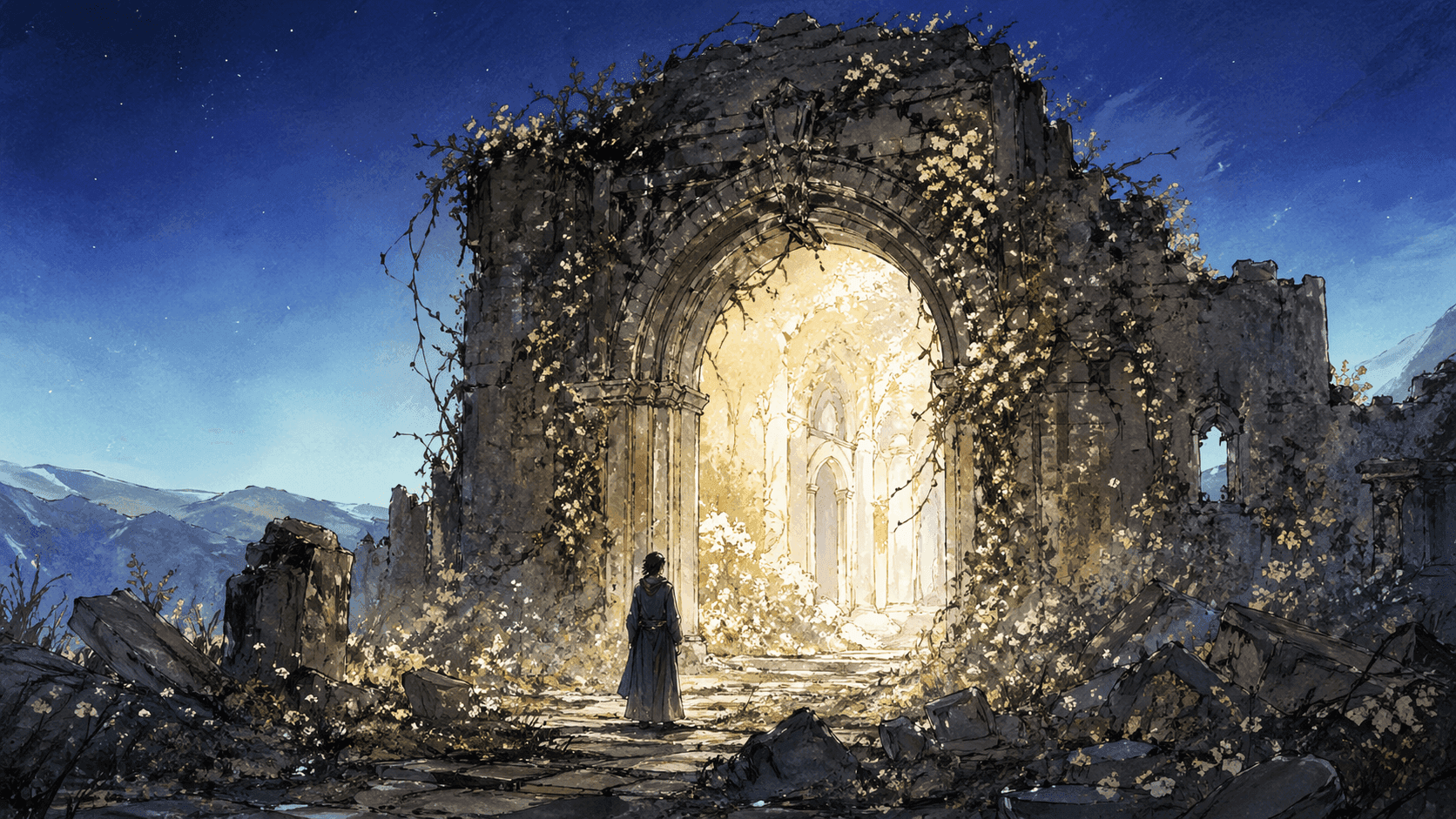
Inspirational image for quote

"Beauty will save the world."

— Fyodor Dostoevsky

Fyodor Dostoevsky (1821-1881) was a Russian novelist whose work sits at the center of world literature. Born in Moscow and trained as a military engineer, he was arrested at twenty-seven for involvement with a radical literary group and sentenced to death -- a sentence commuted at the last moment to four years of hard labor in Siberia. That experience of suffering, near-execution, and survival shaped everything he wrote afterward. His major novels, including Crime and Punishment, The Idiot, Demons, and The Brothers Karamazov, remain unsurpassed in their psychological depth and moral seriousness. He died in 1881 at sixty, having finished The Brothers Karamazov just months before.

CREATIVITY AND PURPOSE
WONDER
MEANING

Context

The line appears in The Idiot, published in 1869, spoken by the novel's protagonist Prince Myshkin -- a man of radical innocence and spiritual clarity living in a corrupt society. Dostoevsky did not mean beauty as decoration or aesthetic pleasure. He had spent four years in a Siberian prison camp, surrounded by murderers and thieves, and emerged convinced that something in human experience was still worth saving. For him, beauty was closer to what we might call grace: the capacity of a person, a piece of music, or a moment of genuine attention to arrest the downward momentum of cynicism and cruelty. He believed beauty worked not through argument but through encounter -- that it could reach people logic could not. The phrase was riddle enough that philosophers have argued over it ever since. That ongoing argument is part of the point.

Today's Mantra

I let beauty slow me down, knowing that what arrests me teaches me.

Reflection Question

When was the last time something stopped you -- not a crisis, not an obligation, but something genuinely beautiful -- and what did it ask of you in that moment? What would change if you treated that kind of interruption as the point rather than a distraction?

Application Tip

Once this week, deliberately expose yourself to something with no utility -- a piece of music you have never heard, a painting you have walked past, a view you have stopped noticing. Give it ten uninterrupted minutes. Bring no agenda. Afterward, write one sentence about what it did to you, not what you thought of it. Dostoevsky's claim is not that beauty is pleasant; it is that beauty changes the person who genuinely encounters it. Test the claim for yourself.