
Resilience and Courage

Recent Content

The Only Life You Have

The Only Life You Have

Post

Kazuo Ishiguro writes about the lives we did not choose. Discover why accepting the life you are actually living is its own form of quiet courage.

Habit Over Inspiration

Habit Over Inspiration

Post

Octavia Butler knew inspiration is unreliable. Discover why the writers and creators who last are the ones who show up by habit, not by feeling.

The Hardest Thing to See

The Hardest Thing to See

Post

George Orwell believed clarity is an act of courage. Discover how seeing things plainly -- and saying so -- transforms both your thinking and your life.

Show, Don't Announce

Show, Don't Announce

Post

Anton Chekhov believed the most powerful writing never announces itself. Discover how showing instead of telling transforms the way you communicate and connect.

Beauty as the Last Rebellion

Beauty as the Last Rebellion

Post

Fyodor Dostoevsky believed beauty holds a redemptive power most of us overlook. Discover what he meant and how it applies to the way you move through the world.

See All Content
Terms and ConditionsDo Not Sell or Share My Personal InformationPrivacy PolicyPrivacy NoticeAccessibility NoticeUnsubscribe
Copyright © 2026 Inspirational Quotes

Transform Through Adversity

Inspirational image for quote

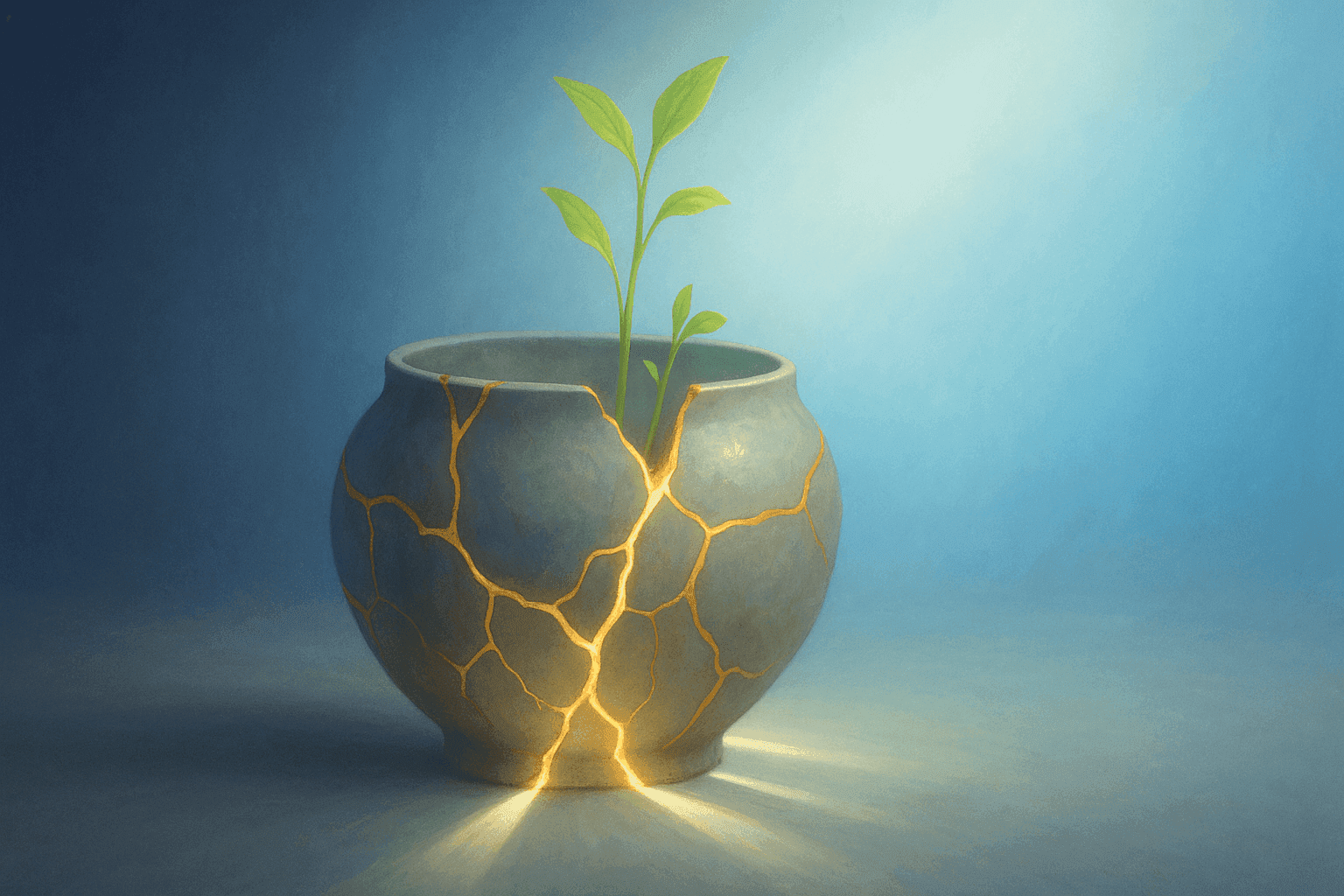
"The wound is the place where the Light enters you."

— Rumi

Jalāl al-Dīn Muhammad Rūmī (1207-1273) was a 13th-century Persian poet, Islamic scholar, and Sufi mystic whose profound spiritual insights transcend cultural and religious boundaries. Born in present-day Afghanistan, Rumi spent most of his life in Konya, Turkey, where he founded the Mevlevi Order, known for their whirling meditation practice. His poetry collection, the Masnavi, contains over 25,000 verses exploring divine love, human suffering, and spiritual transformation. Despite writing nearly 800 years ago, Rumi remains one of the most widely read poets worldwide, offering timeless wisdom on finding meaning through life's most challenging experiences.

RESILIENCE AND COURAGE
TRANSFORMATION
HEALING

Context

This profound metaphor emerged from Rumi's Sufi philosophy, which views suffering not as punishment but as sacred opening. In mystical tradition, wounds represent the breaking of ego's protective shell—the false self that shields us from genuine connection and growth. When life cracks us open through loss, failure, or heartbreak, these fractures become entry points for divine wisdom and authentic transformation. Rumi understood that humans instinctively armor themselves against pain, yet this very protection blocks the illumination they seek. The "Light" he references isn't merely consolation but enlightenment itself—the deeper understanding and expanded consciousness that only emerges when vulnerability replaces defensiveness. This wisdom remains revolutionary today in cultures that pathologize pain rather than recognizing its transformative potential.

Today's Mantra

I welcome my wounds as doorways to deeper wisdom and growth.

Reflection Question

What painful experience in your past, when you look back honestly, actually opened you to understanding, compassion, or strength you didn't possess before? How might your current struggles be creating similar openings you can't yet see?

Application Tip

Create a "Wound to Wisdom" journal entry this week. Identify one current difficulty or past hurt. Write three specific insights, strengths, or perspectives you've gained through this experience. Notice moments when you catch yourself resisting pain—pause and ask, "What might be trying to enter through this opening?" Practice viewing challenges as invitations rather than afflictions, even when healing feels distant.