
Personal Growth

Recent Content

The Only Life You Have

The Only Life You Have

Post

Kazuo Ishiguro writes about the lives we did not choose. Discover why accepting the life you are actually living is its own form of quiet courage.

Habit Over Inspiration

Habit Over Inspiration

Post

Octavia Butler knew inspiration is unreliable. Discover why the writers and creators who last are the ones who show up by habit, not by feeling.

The Hardest Thing to See

The Hardest Thing to See

Post

George Orwell believed clarity is an act of courage. Discover how seeing things plainly -- and saying so -- transforms both your thinking and your life.

Show, Don't Announce

Show, Don't Announce

Post

Anton Chekhov believed the most powerful writing never announces itself. Discover how showing instead of telling transforms the way you communicate and connect.

Beauty as the Last Rebellion

Beauty as the Last Rebellion

Post

Fyodor Dostoevsky believed beauty holds a redemptive power most of us overlook. Discover what he meant and how it applies to the way you move through the world.

See All Content
Terms and ConditionsDo Not Sell or Share My Personal InformationPrivacy PolicyPrivacy NoticeAccessibility NoticeUnsubscribe
Copyright © 2026 Inspirational Quotes

The Secret Power of Being Unafraid

Inspirational image for quote

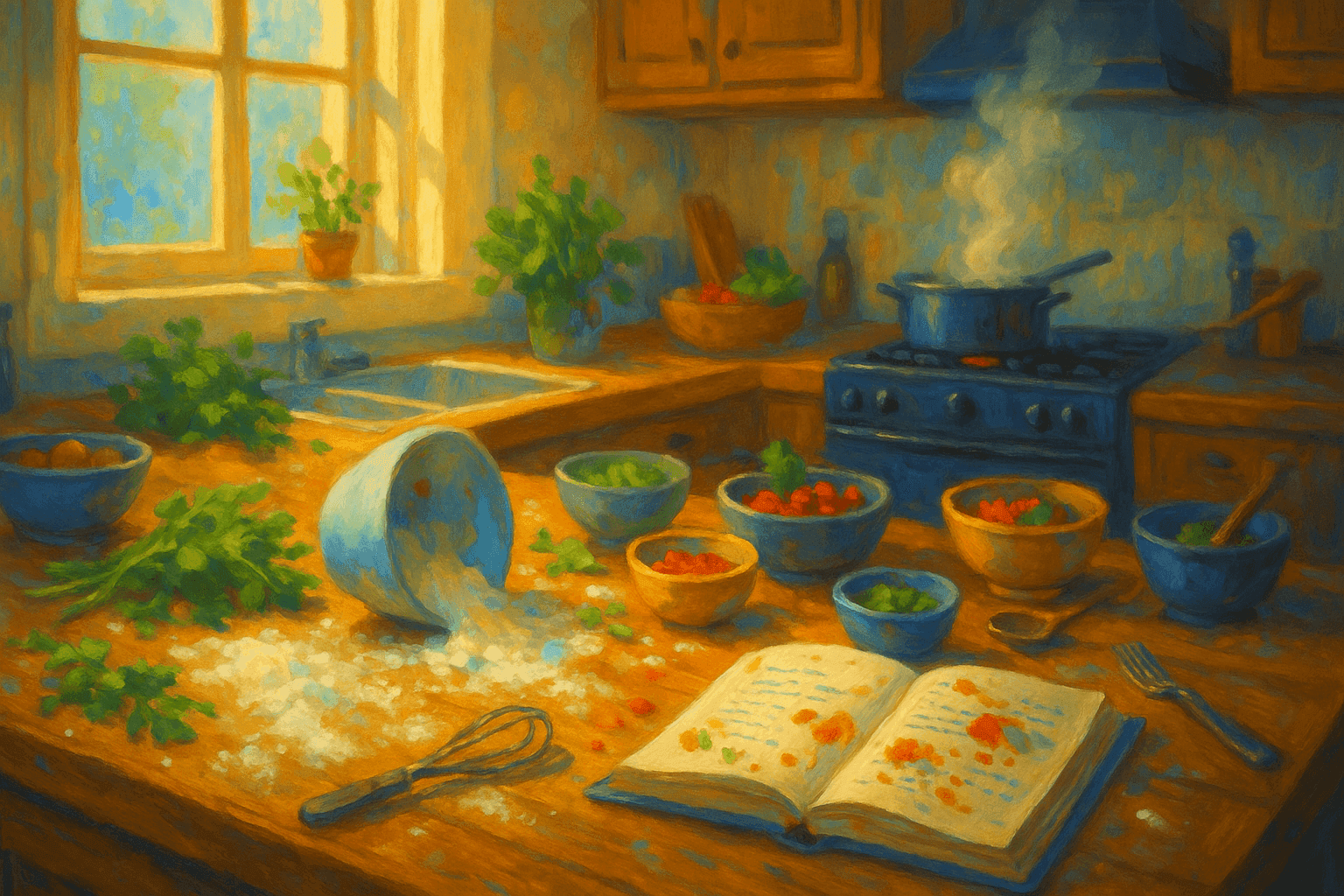
"Learn how to cook—try new recipes, learn from your mistakes, be fearless, and above all have fun!"

— Julia Child

Julia Child (1912-2004) was an American chef, author, and television personality who revolutionized home cooking and brought French cuisine to American households. She didn't discover her passion for cooking until her late thirties while living in Paris, proving that finding your calling can happen at any age. Her groundbreaking cookbook "Mastering the Art of French Cooking" and her television show "The French Chef" made sophisticated cooking accessible and joyful rather than intimidating. Child's infectious enthusiasm, willingness to laugh at her mistakes on live television, and fearless approach to experimentation taught generations that cooking—and life—should be an adventure filled with curiosity and pleasure. Her legacy extends far beyond recipes; she modeled how to approach challenges with confidence, humor, and the understanding that mistakes are simply part of mastering any craft worth pursuing.

PERSONAL GROWTH
COURAGE
JOY

Context

Child shared this philosophy throughout her decades of teaching, recognizing that fear prevents more people from cooking well than lack of skill does. While she spoke specifically about cooking, her wisdom applies universally to any learning process or creative endeavor. The sequence she presents is deliberate: try new things first, learn from inevitable mistakes second, maintain fearlessness throughout, and never forget that enjoyment should be the ultimate goal. Child famously dropped a potato pancake on the floor during a live television broadcast and simply scooped it back into the pan, demonstrating that perfection matters far less than perseverance and good humor. She understood that the pursuit of flawlessness kills joy and prevents experimentation, while embracing imperfection as part of the journey creates both mastery and fulfillment. In our current culture of curated social media perfection, Child's permission to be messy, make mistakes, and prioritize fun over flawlessness offers profound liberation for anyone learning something new or pursuing excellence in any domain.

Today's Mantra

I experiment fearlessly, knowing mistakes teach more than perfection ever could.

Reflection Question

What skill or activity have you been avoiding because you're afraid of looking foolish or making mistakes? How might your learning journey change if you prioritized fun and experimentation over getting it right the first time?

Application Tip

Channel Julia Child's fearless spirit by deliberately trying something new this week where you expect to make mistakes. Choose an activity with low stakes but high learning potential—attempt a complicated recipe you've never made, try a dance class as a beginner, speak a few phrases in a language you're learning, or create art in a medium you've never used. Before starting, write down your prediction of what will go wrong. During the activity, when mistakes happen (and they will), pause and notice them without judgment—what can you learn? What's actually funny about this? After completing your experiment, write down three things you learned that only the mistakes could have taught you. Child proved that competence emerges from accumulated errors approached with curiosity rather than shame. This practice rewires your brain to see mistakes as valuable data instead of evidence of inadequacy.