
Mindfulness and Peace

Recent Content

The Only Life You Have

The Only Life You Have

Post

Kazuo Ishiguro writes about the lives we did not choose. Discover why accepting the life you are actually living is its own form of quiet courage.

Habit Over Inspiration

Habit Over Inspiration

Post

Octavia Butler knew inspiration is unreliable. Discover why the writers and creators who last are the ones who show up by habit, not by feeling.

The Hardest Thing to See

The Hardest Thing to See

Post

George Orwell believed clarity is an act of courage. Discover how seeing things plainly -- and saying so -- transforms both your thinking and your life.

Show, Don't Announce

Show, Don't Announce

Post

Anton Chekhov believed the most powerful writing never announces itself. Discover how showing instead of telling transforms the way you communicate and connect.

Beauty as the Last Rebellion

Beauty as the Last Rebellion

Post

Fyodor Dostoevsky believed beauty holds a redemptive power most of us overlook. Discover what he meant and how it applies to the way you move through the world.

See All Content
Terms and ConditionsDo Not Sell or Share My Personal InformationPrivacy PolicyPrivacy NoticeAccessibility NoticeUnsubscribe
Copyright © 2026 Inspirational Quotes

The Present Moment's Gift

Inspirational image for quote

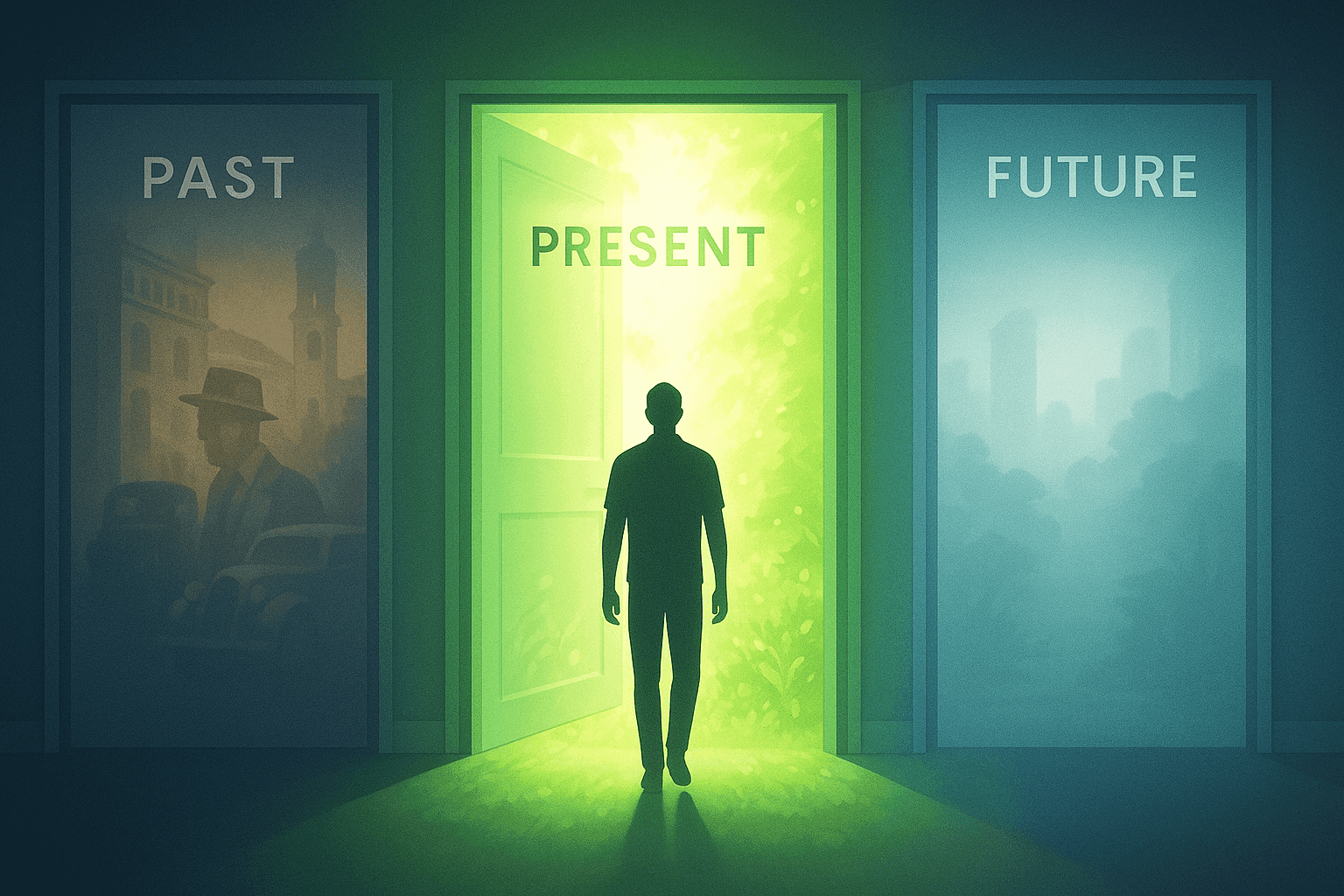
"If you are depressed you are living in the past. If you are anxious you are living in the future. If you are at peace you are living in the present."

— Lao Tzu

Lao Tzu (6th century BCE) was a Chinese philosopher and the foundational figure of Taoism, authoring the "Tao Te Ching," one of history's most translated and influential texts. Little is known with certainty about his life, adding to his mystical reputation. His teachings emphasize living in harmony with the Tao (the Way)—the natural order underlying all existence. Central to his philosophy is wu wei, the principle of effortless action and non-resistance to life's flow. Lao Tzu taught that wisdom comes from simplicity, humility, and present-moment awareness rather than striving, controlling, or dwelling in mental time-travel.

MINDFULNESS AND PEACE
PRESENCE
INNER CALM

Context

Lao Tzu's elegant diagnostic reveals why so much human suffering is self-created through mental time-travel. Depression often stems from ruminating on past mistakes, losses, or missed opportunities—replaying what cannot be changed. Anxiety emerges from catastrophizing about uncertain futures, imagining problems that haven't occurred and may never materialize. Both conditions exile us from the only moment where life actually happens: now. This isn't dismissing clinical depression or anxiety disorders requiring professional treatment, but recognizing how habitual past-dwelling and future-worry compound our suffering. Peace exists exclusively in the present because this moment—right now—is typically manageable, even when difficult. Our minds create most distress by mentally living elsewhere. Lao Tzu invites us to return attention to what's actually happening rather than mental stories about what happened or might happen.

Today's Mantra

I release yesterday and tomorrow, finding peace in this single breath.

Reflection Question

What percentage of your thoughts typically focus on past regrets versus future worries versus present-moment awareness? When you bring your attention fully to this exact moment—not five minutes ago or five minutes ahead—what do you actually find here?

Application Tip

Practice the "5-4-3-2-1 grounding technique" whenever you catch yourself spiraling into past regrets or future worries. Pause and identify five things you can see, four things you can touch, three things you can hear, two things you can smell, and one thing you can taste. This sensory inventory immediately returns attention to present reality. Use this throughout your day, especially during transitions—before meetings, after difficult conversations, or when lying awake at night. Notice how your emotional state shifts when attention moves from mental time-travel to sensory presence. Keep a brief log noting whether your mind was in past, future, or present before the exercise, and how you felt after grounding yourself in now.