
Mindfulness & Peace

Recent Content

The Only Life You Have

The Only Life You Have

Post

Kazuo Ishiguro writes about the lives we did not choose. Discover why accepting the life you are actually living is its own form of quiet courage.

Habit Over Inspiration

Habit Over Inspiration

Post

Octavia Butler knew inspiration is unreliable. Discover why the writers and creators who last are the ones who show up by habit, not by feeling.

The Hardest Thing to See

The Hardest Thing to See

Post

George Orwell believed clarity is an act of courage. Discover how seeing things plainly -- and saying so -- transforms both your thinking and your life.

Show, Don't Announce

Show, Don't Announce

Post

Anton Chekhov believed the most powerful writing never announces itself. Discover how showing instead of telling transforms the way you communicate and connect.

Beauty as the Last Rebellion

Beauty as the Last Rebellion

Post

Fyodor Dostoevsky believed beauty holds a redemptive power most of us overlook. Discover what he meant and how it applies to the way you move through the world.

See All Content
Terms and ConditionsDo Not Sell or Share My Personal InformationPrivacy PolicyPrivacy NoticeAccessibility NoticeUnsubscribe
Copyright © 2026 Inspirational Quotes

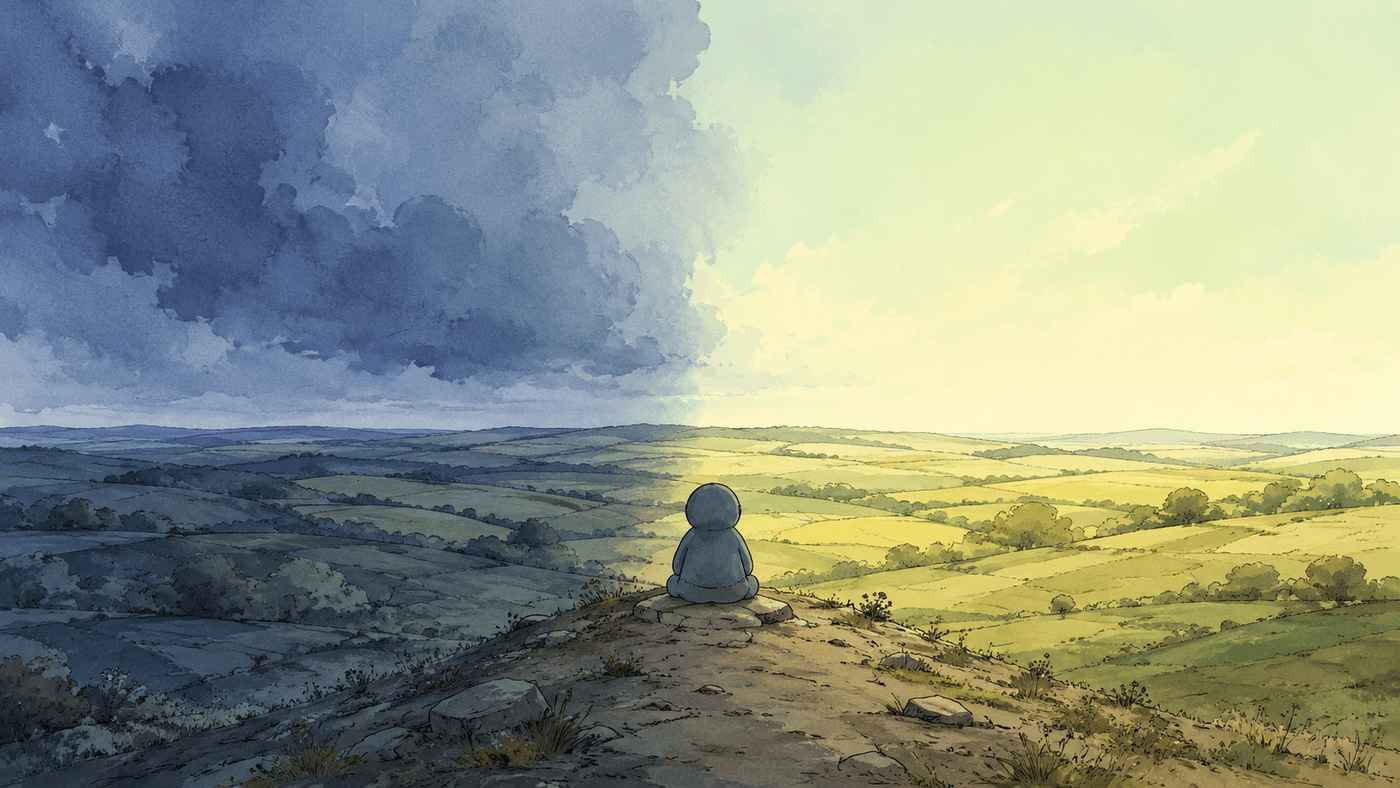
The Inner Landscape

Image showing the landscape inside of the mind conveying inner thought

"The happiness of your life depends on the quality of your thoughts."

— Marcus Aurelius

Marcus Aurelius (121-180 CE) was a Roman Emperor from 161 to 180 CE and a Stoic philosopher. His personal writings, published posthumously as "Meditations," reveal a leader deeply committed to rational thought, ethical conduct, and inner tranquility amid the demands of ruling an empire. Though never intended for publication, his reflections on duty, virtue, and human nature have profoundly influenced Western philosophy and continue to offer practical wisdom for navigating life's challenges.

Mindfulness and Peace
Personal Growth
Resilience and Courage

Context

This concise statement encapsulates a core principle of Stoic philosophy, which Aurelius practiced amid the tremendous pressures of imperial leadership. For Stoics, happiness wasn't dependent on external circumstances but on our interpretation of events. Aurelius's insight remains revolutionary: our experience of life flows primarily from our mental patterns rather than from what happens to us. This perspective doesn't minimize genuine hardship but emphasizes our agency in responding to it. Whether facing political intrigue, military threats, or personal loss, Aurelius consistently returned to this principle—that well-cultivated thoughts lead to tranquility regardless of external chaos. The timelessness of this wisdom explains why his personal reflections continue to offer guidance nearly two millennia after they were written.

Today's Mantra

I tend the garden of my mind, cultivating thoughts that nourish my peace.

Reflection Question

When you reflect on your recurring thought patterns, which types of thoughts consistently enhance your happiness and which types diminish it? What specific mental habits might you develop to improve the overall quality of your thinking?

Application Tip

Practice "thought quality assessment" by setting three daily check-in moments (morning, midday, evening). At each check-in, briefly observe your current thoughts and rate their quality on three dimensions: truthfulness (are they accurate or distorted?), usefulness (do they serve your wellbeing?), and kindness (would you speak these thoughts to a friend?). Keep a simple log of these ratings for two weeks. Patterns will emerge, showing which times of day or activities tend to generate higher or lower quality thoughts. Use this awareness to proactively cultivate better thought environments—whether through specific activities, companions, media choices, or mindfulness practices.