
Personal Growth

Recent Content

The Only Life You Have

The Only Life You Have

Post

Kazuo Ishiguro writes about the lives we did not choose. Discover why accepting the life you are actually living is its own form of quiet courage.

Habit Over Inspiration

Habit Over Inspiration

Post

Octavia Butler knew inspiration is unreliable. Discover why the writers and creators who last are the ones who show up by habit, not by feeling.

The Hardest Thing to See

The Hardest Thing to See

Post

George Orwell believed clarity is an act of courage. Discover how seeing things plainly -- and saying so -- transforms both your thinking and your life.

Show, Don't Announce

Show, Don't Announce

Post

Anton Chekhov believed the most powerful writing never announces itself. Discover how showing instead of telling transforms the way you communicate and connect.

Beauty as the Last Rebellion

Beauty as the Last Rebellion

Post

Fyodor Dostoevsky believed beauty holds a redemptive power most of us overlook. Discover what he meant and how it applies to the way you move through the world.

See All Content
Terms and ConditionsDo Not Sell or Share My Personal InformationPrivacy PolicyPrivacy NoticeAccessibility NoticeUnsubscribe
Copyright © 2026 Inspirational Quotes

Swimming Against Time's Current

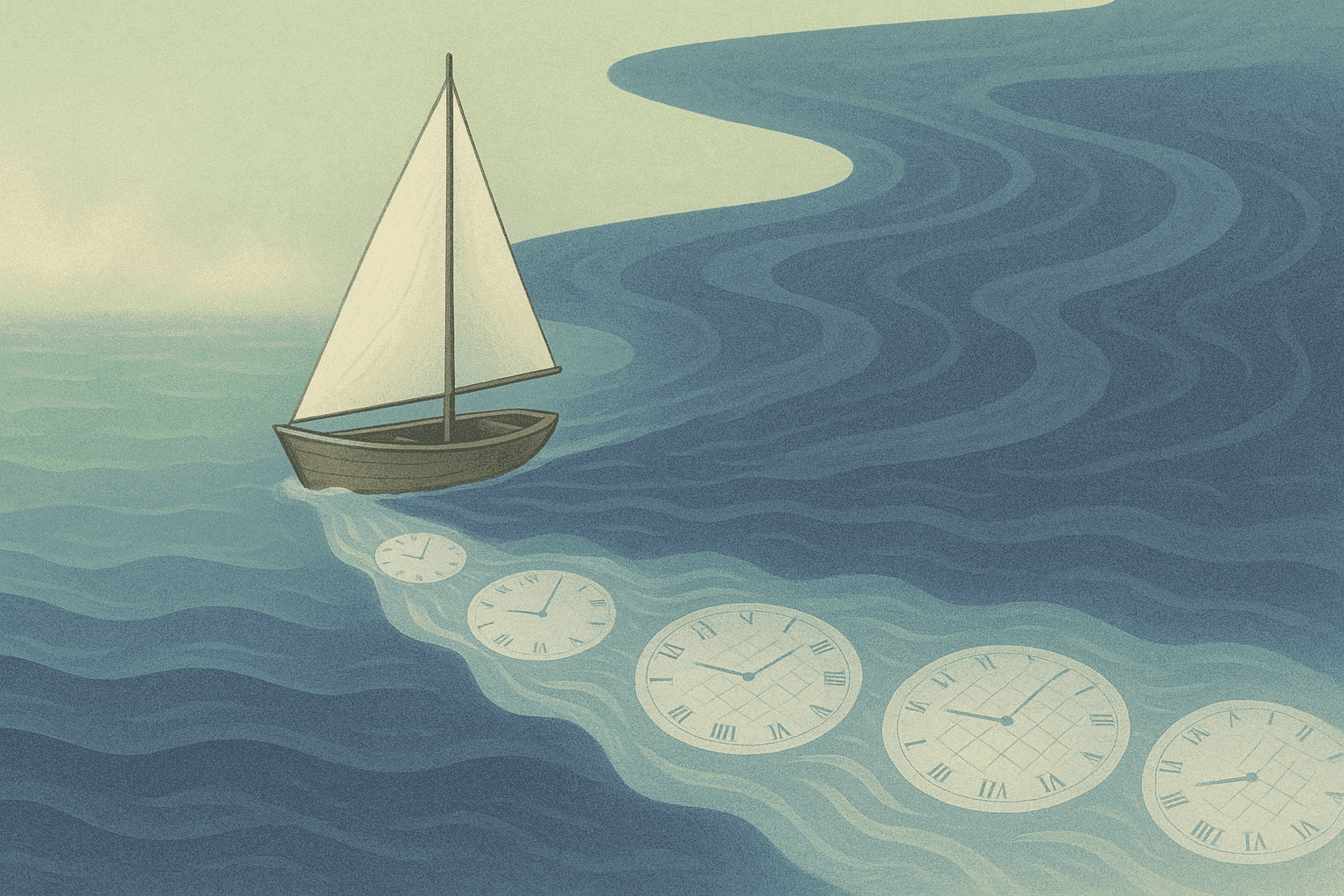
A surreal image of a sailboat leaving clocks in its wake

"So we beat on, boats against the current, borne back ceaselessly into the past."

— F. Scott Fitzgerald

F. Scott Fitzgerald (1896-1940) was an American novelist, essayist, and short story writer, widely regarded as one of the greatest American writers of the 20th century. Best known for his novel "The Great Gatsby," Fitzgerald was a leading voice of the "Jazz Age," a term he coined himself. His work explores themes of ambition, love, social criticism, and the American Dream. Despite publishing just four novels during his lifetime, his precise craftsmanship and lyrical writing transformed American literature. Fitzgerald's own life mirrored his fiction—marked by early success, glamorous living, alcoholism, and financial struggles—and he died believing himself a failure, not knowing his work would later be recognized as some of the finest American prose ever written.

PERSEVERANCE
NOSTALGIA
HUMAN CONDITION

Context

This quote forms the famous final line of "The Great Gatsby" (1925), Fitzgerald's masterpiece about wealth, love, and the American Dream. The metaphor captures the novel's central tension between forward progress and the gravitational pull of the past. Jay Gatsby's desperate attempt to recreate a lost love represents humanity's broader struggle against time's irreversibility. Though typically read as melancholic, the quote contains subtle hope in its emphasis on continued striving—"we beat on"—despite knowing our efforts may be futile. Fitzgerald wrote this during the exuberant Jazz Age, yet presciently captured the disillusionment that would follow. The quote's endurance reflects its universal truth: we all simultaneously move forward while being shaped by our personal and collective histories.

Today's Mantra

I persist, acknowledging the past while moving forward.

Reflection Question

In what ways do you find yourself "rowing against the current" in your life? What memories or past experiences continue to exert a gravitational pull on your present decisions and identity? How might acknowledging this tension help you move forward with greater understanding?

Application Tip

Create a "Past-Present Bridge" exercise by writing down three significant experiences from your past that continue to influence your present. For each memory, identify how it shapes your current beliefs, fears, or aspirations. Then, write a brief statement of acknowledgment for each—not to dismiss its influence but to consciously recognize it. Finally, identify one concrete action for each memory that represents "beating on" while carrying its wisdom forward. This practice honors the past's pull while maintaining your agency to navigate toward your chosen future.