
Love and Relationships

Recent Content

The Only Life You Have

The Only Life You Have

Post

Kazuo Ishiguro writes about the lives we did not choose. Discover why accepting the life you are actually living is its own form of quiet courage.

Habit Over Inspiration

Habit Over Inspiration

Post

Octavia Butler knew inspiration is unreliable. Discover why the writers and creators who last are the ones who show up by habit, not by feeling.

The Hardest Thing to See

The Hardest Thing to See

Post

George Orwell believed clarity is an act of courage. Discover how seeing things plainly -- and saying so -- transforms both your thinking and your life.

Show, Don't Announce

Show, Don't Announce

Post

Anton Chekhov believed the most powerful writing never announces itself. Discover how showing instead of telling transforms the way you communicate and connect.

Beauty as the Last Rebellion

Beauty as the Last Rebellion

Post

Fyodor Dostoevsky believed beauty holds a redemptive power most of us overlook. Discover what he meant and how it applies to the way you move through the world.

See All Content
Terms and ConditionsDo Not Sell or Share My Personal InformationPrivacy PolicyPrivacy NoticeAccessibility NoticeUnsubscribe
Copyright © 2026 Inspirational Quotes

Partings Welded Together

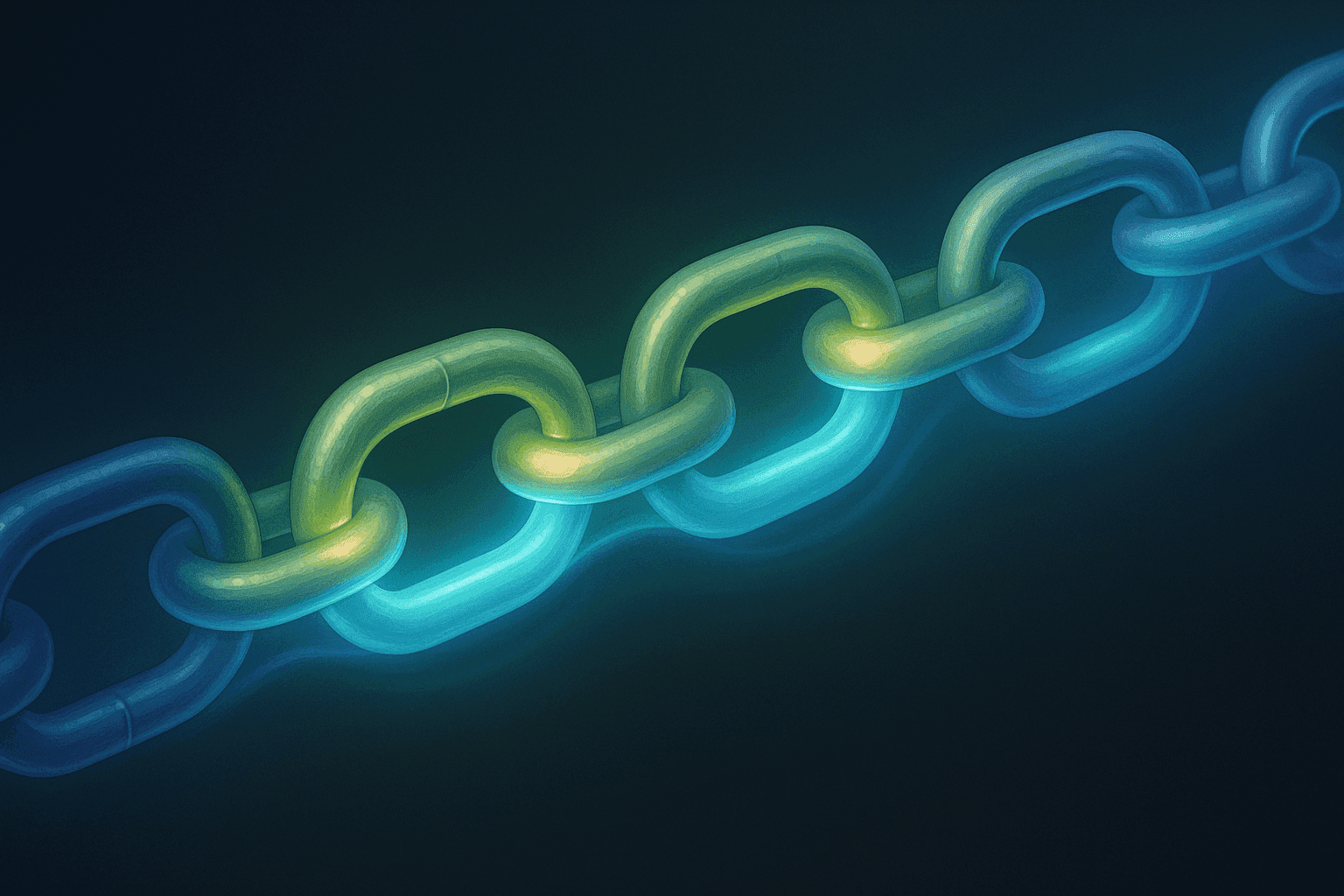
Inspirational image for quote

"Life is made of ever so many partings welded together."

— Charles Dickens

Charles Dickens (1812-1870) was an English writer and social critic who created some of literature's most memorable characters and vivid depictions of Victorian life. Born into poverty and experiencing childhood labor in a boot-blacking factory, Dickens understood firsthand the pain of separation from family and security. His novels, including "Great Expectations," "A Tale of Two Cities," and "A Christmas Carol," often explored themes of loss, reunion, and the human capacity to endure separation. Dickens experienced numerous partings throughout his life—from family due to financial hardship, from places as he moved frequently, and from people through death and changing circumstances. His observation about life being made of partings reflects his deep understanding of how loss and transition shape human experience, yet his use of "welded together" suggests these separations ultimately create strength and continuity rather than just pain.

LOVE AND RELATIONSHIPS
TRANSITIONS
RESILIENCE

Context

Dickens wrote this from intimate knowledge of how separation and loss weave through human experience. His metaphor of "welding" transforms our understanding of goodbyes from isolated painful events into the very material that constructs a meaningful life. He recognized that partings—whether through death, distance, changing circumstances, or personal growth—are not interruptions to life but essential components of it. Each farewell teaches us about love's value, forces us to develop independence, and deepens our appreciation for connection. Dickens understood that trying to avoid partings would mean avoiding the very relationships and experiences that give life meaning. His insight suggests that the strength we gain from navigating separations becomes the foundation for future connections. The "welding" process implies that while partings may initially feel like breaks or fractures, they ultimately create joints that are often stronger than the original whole, teaching us resilience and the precious nature of human bonds.

Today's Mantra

Every goodbye strengthens my capacity for deeper hello

Reflection Question

How have the most difficult partings in your life—from people, places, or phases—ultimately contributed to your strength, wisdom, or capacity for deeper connections? What did those separations teach you about love and resilience?

Application Tip

When facing a current or upcoming parting, practice viewing it as part of life's construction rather than destruction. Write down what this separation might be teaching you or preparing you for. Honor the relationship or phase that's ending by expressing gratitude for what it brought to your life. Create rituals that acknowledge transitions with grace—whether it's a meaningful conversation, a keepsake, or simply a moment of conscious appreciation. Remember: the pain of parting often reflects the depth of what was meaningful, and that depth becomes part of who you are.