
Creativity & Purpose

Recent Content

The Only Life You Have

The Only Life You Have

Post

Kazuo Ishiguro writes about the lives we did not choose. Discover why accepting the life you are actually living is its own form of quiet courage.

Habit Over Inspiration

Habit Over Inspiration

Post

Octavia Butler knew inspiration is unreliable. Discover why the writers and creators who last are the ones who show up by habit, not by feeling.

The Hardest Thing to See

The Hardest Thing to See

Post

George Orwell believed clarity is an act of courage. Discover how seeing things plainly -- and saying so -- transforms both your thinking and your life.

Show, Don't Announce

Show, Don't Announce

Post

Anton Chekhov believed the most powerful writing never announces itself. Discover how showing instead of telling transforms the way you communicate and connect.

Beauty as the Last Rebellion

Beauty as the Last Rebellion

Post

Fyodor Dostoevsky believed beauty holds a redemptive power most of us overlook. Discover what he meant and how it applies to the way you move through the world.

See All Content
Terms and ConditionsDo Not Sell or Share My Personal InformationPrivacy PolicyPrivacy NoticeAccessibility NoticeUnsubscribe
Copyright © 2026 Inspirational Quotes

Life's Magical Journey

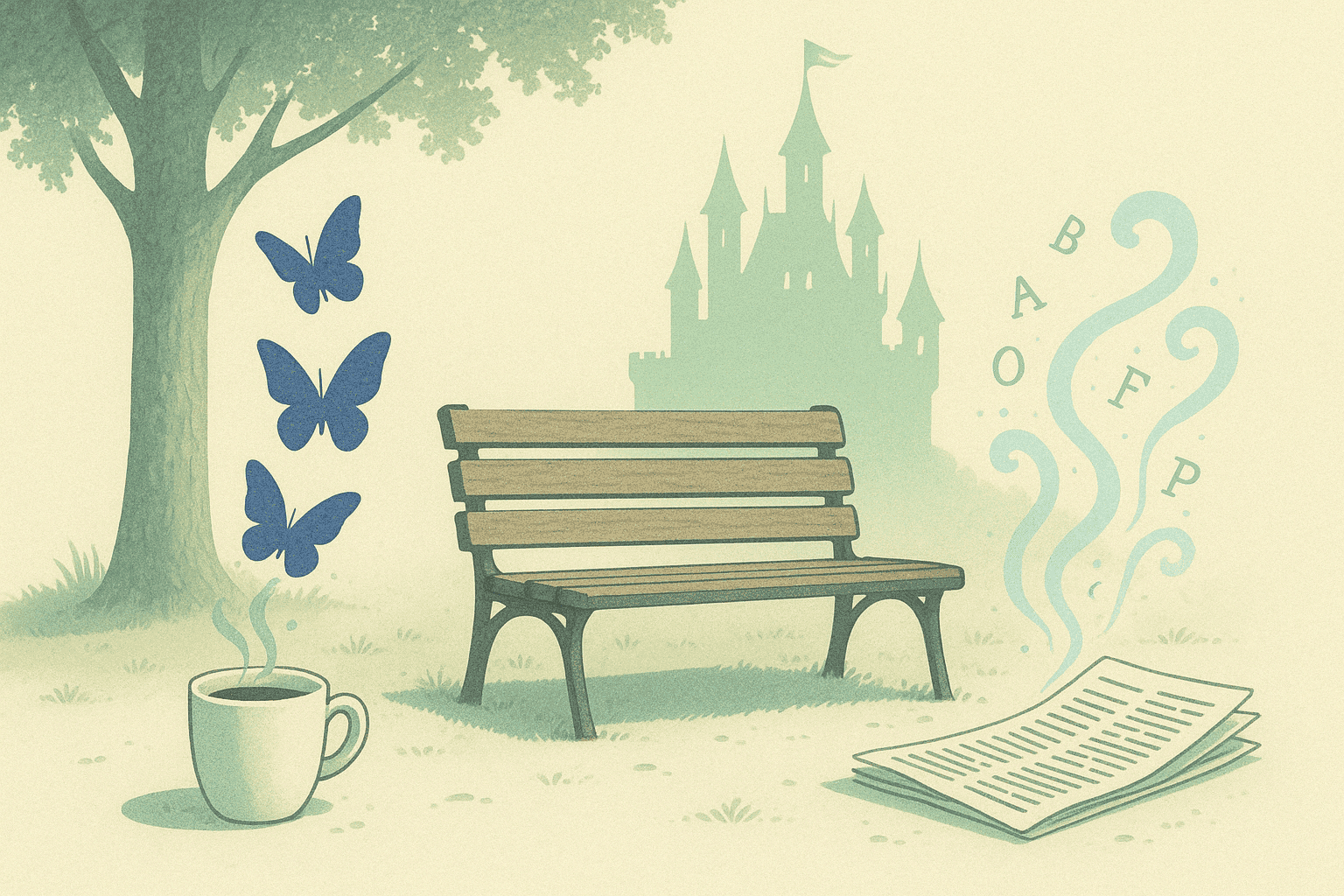
An ordinary looking park bench with a magic castle in the distance

"Life itself is the most wonderful fairy tale."

— Hans Christian Andersen

Hans Christian Andersen (1805-1875) was a Danish author and poet celebrated for his children's stories. Born to impoverished parents, Andersen rose from humble beginnings to become one of the world's most beloved storytellers. His fairy tales like "The Little Mermaid," "The Ugly Duckling," and "The Emperor's New Clothes" have been translated into more than 125 languages. Unlike traditional folk tales, Andersen's stories often featured unhappy endings and explored complex emotions like longing, alienation, and redemption. His work transcended children's literature to address universal human experiences, and his own life—rising from poverty to international acclaim—mirrored the transformative journeys in his fairy tales.

WONDER
IMAGINATION
PERSPECTIVE

Context

This quote reflects Andersen's profound appreciation for life's inherent magic despite—or perhaps because of—his difficult childhood. As someone who created enchanted worlds through his stories, Andersen recognized that reality itself contains as much wonder, transformation, and meaning as any fictional tale. His own journey from impoverished shoemaker's son to internationally celebrated author embodied the fairy tale theme of unexpected transformation. Rather than using fantasy merely as escapism, Andersen saw it as a lens through which to perceive life's genuine marvels. The quote invites us to approach our existence with the same wide-eyed wonder and openness to possibility that children bring to fairy tales.

Today's Mantra

I recognize the magic in everyday moments around me.

Reflection Question

What elements of your life story resemble a fairy tale? Consider unexpected turns, challenges overcome, moments of beauty or wonder, or relationships that have transformed you. How might viewing your life through this lens change your perception of everyday experiences?

Application Tip

Practice "wonder spotting" for one week. Each day, identify three ordinary things that would seem magical if included in a fairy tale—perhaps the way sunlight filters through leaves, a conversation with a stranger that changes your perspective, or the intricate design of a snowflake or flower. Record these moments in a "Life's Fairy Tale" journal. Additionally, reconsider a current challenge through the lens of a hero's journey: What magical helpers or tools might already be available to you? What transformation might this obstacle be preparing you for?