Resilience and Courage

Recent Content

Habit Over Inspiration

Habit Over Inspiration

Post

Octavia Butler knew inspiration is unreliable. Discover why the writers and creators who last are the ones who show up by habit, not by feeling.

The Hardest Thing to See

The Hardest Thing to See

Post

George Orwell believed clarity is an act of courage. Discover how seeing things plainly -- and saying so -- transforms both your thinking and your life.

Show, Don't Announce

Show, Don't Announce

Post

Anton Chekhov believed the most powerful writing never announces itself. Discover how showing instead of telling transforms the way you communicate and connect.

Beauty as the Last Rebellion

Beauty as the Last Rebellion

Post

Fyodor Dostoevsky believed beauty holds a redemptive power most of us overlook. Discover what he meant and how it applies to the way you move through the world.

The Mystery Is Already Here

The Mystery Is Already Here

Post

Marilynne Robinson on the discipline of paying attention. Discover why ordinary seeing, done with enough care, becomes its own form of devotion.

See All Content
Terms and ConditionsDo Not Sell or Share My Personal InformationPrivacy PolicyPrivacy NoticeAccessibility NoticeUnsubscribe
Copyright © 2026 Inspirational Quotes

Fearless Equals Powerful

ChatGPT Image reclaim fear Oct 22, 2025, 01_28_53 PM.png

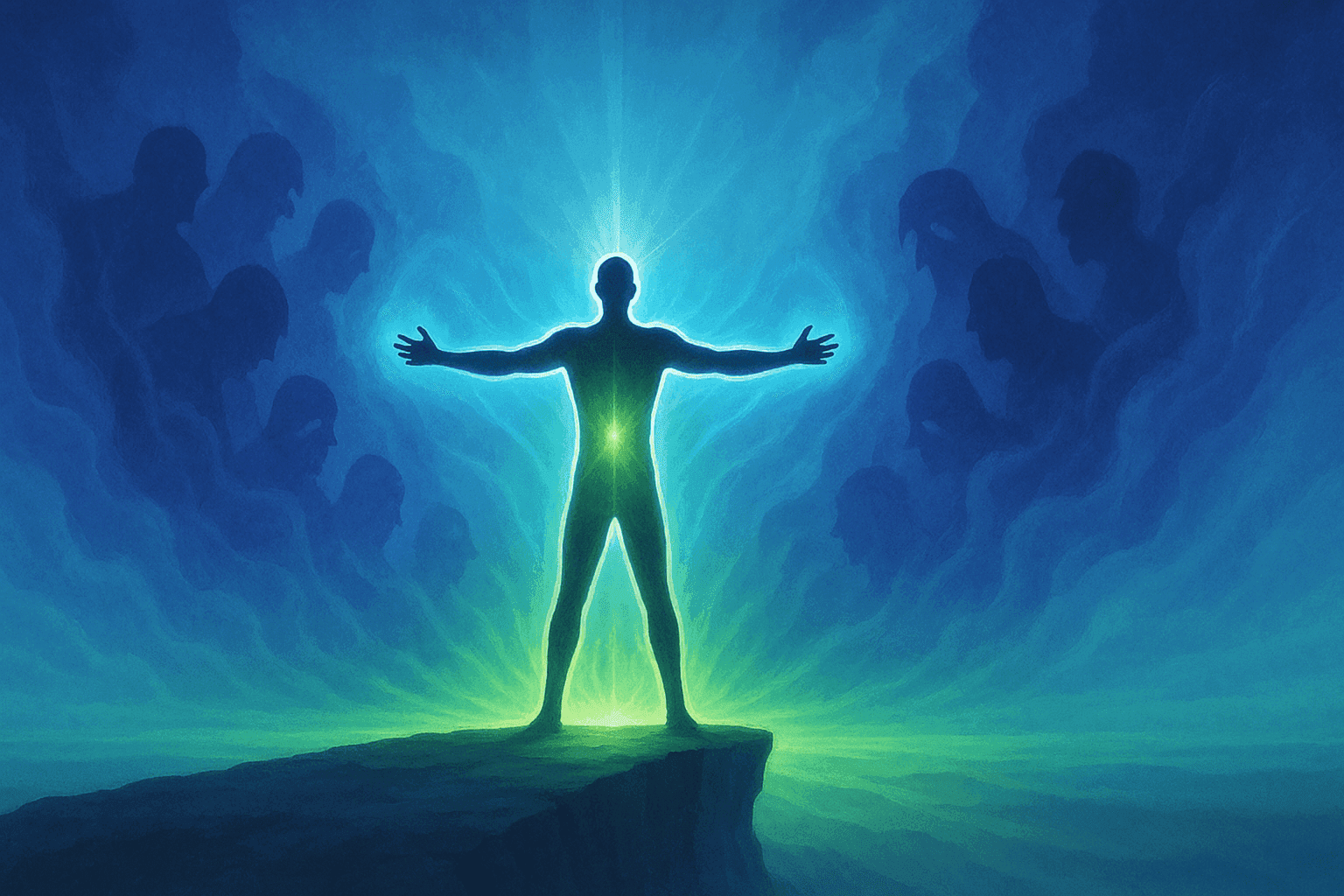
"Beware; for I am fearless and therefore powerful."

— Mary Shelley

Mary Shelley (1797-1851) was an English novelist who created one of literature's most enduring works, Frankenstein, at age eighteen during a summer in Switzerland. Daughter of feminist philosopher Mary Wollstonecraft and political philosopher William Godwin, Shelley grew up surrounded by radical thinkers. She eloped with poet Percy Bysshe Shelley at sixteen, facing social ostracism that shaped her understanding of marginalization. Beyond Frankenstein, she wrote several novels, short stories, and essays while editing her late husband's works. Shelley challenged conventions of her era, exploring themes of creation, responsibility, isolation, and the consequences of unchecked ambition through Gothic fiction that remains startlingly relevant today.

RESILIENCE AND COURAGE
EMPOWERMENT
AUTHENTICITY

Context

This declaration appears in Shelley's groundbreaking 1818 novel Frankenstein, spoken by the Creature to his creator Victor Frankenstein. In context, the Creature has been rejected by society and abandoned by his maker, leaving him with nothing left to lose. This paradoxically grants him tremendous power—fearlessness born from having already endured the worst. While originally a threatening statement, the quote has been reclaimed as an empowerment anthem, particularly in feminist contexts. It captures a profound truth: fear is often what constrains us, and releasing it unlocks authentic power. When we stop being afraid of judgment, rejection, or failure, we become formidable in pursuing our truth and standing in our strength.

Today's Mantra

I release fear and claim the power that has always been mine.

Reflection Question

What would you attempt if you truly had nothing to fear? What dreams have you deferred, words have you left unspoken, or paths have you avoided simply because fear has convinced you to play it safe?

Application Tip

Conduct a "fear audit" this week. Write down three things you've been avoiding and identify the specific fear attached to each—fear of judgment, failure, rejection, or disappointment. For each fear, ask yourself: "What's the actual worst-case scenario, and could I survive it?" Most often, you'll discover the answer is yes. Then choose one small action you can take toward what you've been avoiding. Not a giant leap, just one step taken without fear's permission. Notice how taking action despite fear—rather than waiting for fear to disappear—begins shifting your relationship with courage itself.