
Resilience & Courage

Recent Content

Habit Over Inspiration

Habit Over Inspiration

Post

Octavia Butler knew inspiration is unreliable. Discover why the writers and creators who last are the ones who show up by habit, not by feeling.

The Hardest Thing to See

The Hardest Thing to See

Post

George Orwell believed clarity is an act of courage. Discover how seeing things plainly -- and saying so -- transforms both your thinking and your life.

Show, Don't Announce

Show, Don't Announce

Post

Anton Chekhov believed the most powerful writing never announces itself. Discover how showing instead of telling transforms the way you communicate and connect.

Beauty as the Last Rebellion

Beauty as the Last Rebellion

Post

Fyodor Dostoevsky believed beauty holds a redemptive power most of us overlook. Discover what he meant and how it applies to the way you move through the world.

The Mystery Is Already Here

The Mystery Is Already Here

Post

Marilynne Robinson on the discipline of paying attention. Discover why ordinary seeing, done with enough care, becomes its own form of devotion.

See All Content
Terms and ConditionsDo Not Sell or Share My Personal InformationPrivacy PolicyPrivacy NoticeAccessibility NoticeUnsubscribe
Copyright © 2026 Inspirational Quotes

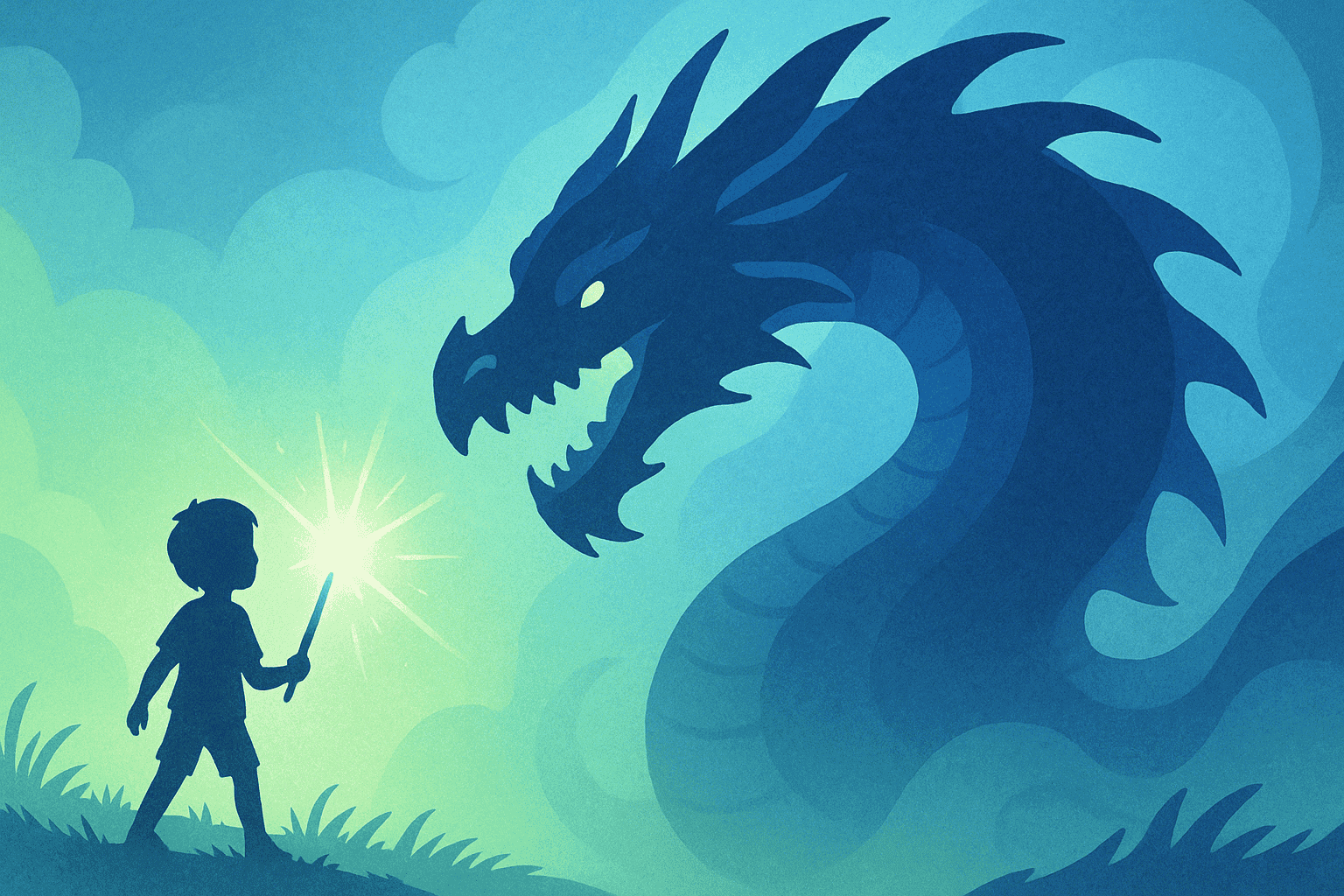
Facing Our Dragons

Image of small child with a torch facing a dragon

"Fairytales do not tell children that dragons exist. Children already know that dragons exist. Fairytales tell children that dragons can be killed."

— G.K. Chesterton

G.K. Chesterton (1874-1936) was an English writer, philosopher, theologian, and literary critic known for his paradoxical wit and intellectual depth. A prolific author across numerous genres, Chesterton wrote approximately 80 books, hundreds of poems, 200 short stories, and 4,000 essays. Though best known for his Father Brown detective stories and Christian apologetics, Chesterton's work consistently explored the wonder of ordinary existence, defended tradition and common sense against modernist skepticism, and employed humor and paradox to reveal deeper truths about human nature and society.

Resilience and Courage
Personal Growth
Creativity and Purpose

Context

Chesterton's insightful observation challenges the common criticism that fairy tales frighten children with monsters. Instead, he suggests these stories acknowledge the fears children already intuitively understand—the "dragons" representing very real dangers, difficulties, and moral challenges in life. The true gift of fairy tales, Chesterton argues, isn't introducing darkness (children are already aware of it) but offering hope that darkness can be overcome. This perspective reflects Chesterton's broader philosophy that imagination serves truth rather than escaping it, and that confronting evil honestly is essential to developing genuine courage. The quote reminds us that acknowledging life's difficulties while maintaining hope for their conquest is more empowering than either denying challenges exist or believing them insurmountable.

Today's Mantra

I face my dragons with courage, knowing they can be overcome.

Reflection Question

What "dragons" in your life have seemed overwhelming or insurmountable? What stories, examples, or beliefs have helped you develop the courage to face these challenges rather than denying or being consumed by them?

Application Tip

Create your own "Dragon-Slaying Stories" collection. First, identify your current "dragons"—fears, challenges, or obstacles that feel overwhelming. For each one, research or recall a story of someone who faced something similar and triumphed. This could be from mythology, literature, history, your personal network, or your own past experiences. Document these stories in a journal or digital collection you can revisit when facing difficulty. Add to this collection regularly, developing a personal anthology of courage that reminds you that while dragons are real, so too is the possibility of overcoming them.