
Personal Growth

Recent Content

Habit Over Inspiration

Habit Over Inspiration

Post

Octavia Butler knew inspiration is unreliable. Discover why the writers and creators who last are the ones who show up by habit, not by feeling.

The Hardest Thing to See

The Hardest Thing to See

Post

George Orwell believed clarity is an act of courage. Discover how seeing things plainly -- and saying so -- transforms both your thinking and your life.

Show, Don't Announce

Show, Don't Announce

Post

Anton Chekhov believed the most powerful writing never announces itself. Discover how showing instead of telling transforms the way you communicate and connect.

Beauty as the Last Rebellion

Beauty as the Last Rebellion

Post

Fyodor Dostoevsky believed beauty holds a redemptive power most of us overlook. Discover what he meant and how it applies to the way you move through the world.

The Mystery Is Already Here

The Mystery Is Already Here

Post

Marilynne Robinson on the discipline of paying attention. Discover why ordinary seeing, done with enough care, becomes its own form of devotion.

See All Content
Terms and ConditionsDo Not Sell or Share My Personal InformationPrivacy PolicyPrivacy NoticeAccessibility NoticeUnsubscribe
Copyright © 2026 Inspirational Quotes

Emotions vs. Actions

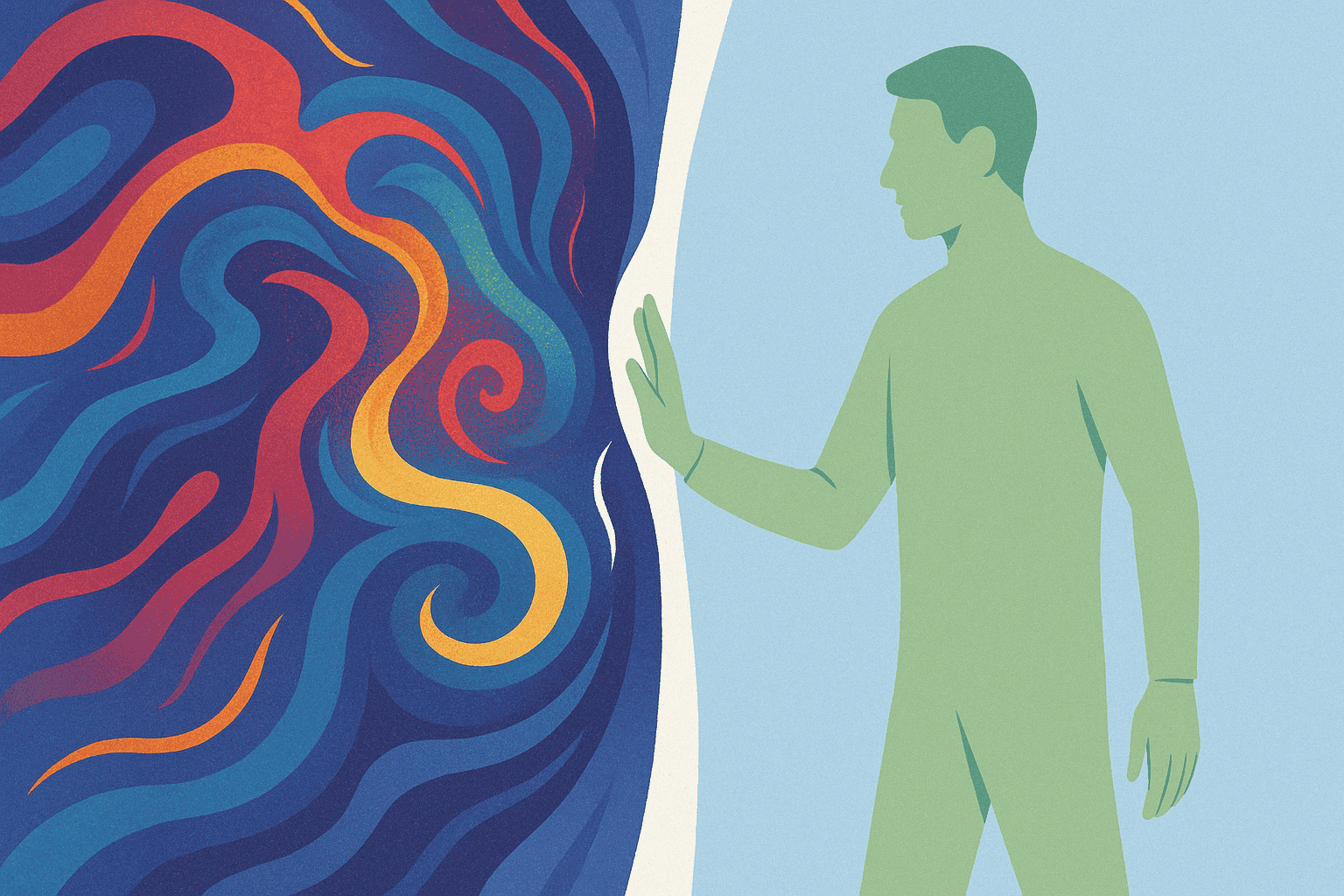
Abstract image of a person confronting an intense emotion

"You can't help what you feel, but you can help how you behave."

— Margaret Atwood

Margaret Atwood is a Canadian poet, novelist, literary critic, essayist, teacher, environmental activist, and inventor. Since 1961, she has published 18 books of poetry, 18 novels, 11 books of non-fiction, nine collections of short fiction, eight children's books, and two graphic novels. Her works explore themes of gender and identity, religion and myth, climate change, and "power politics." Her best-known novels include "The Handmaid's Tale" (1985), which has been adapted into various media formats, and "The Blind Assassin," which won the prestigious Booker Prize. Atwood's work often combines sharp social commentary with psychological depth and nuanced character development.

PERSONAL GROWTH
EMOTIONAL INTELLIGENCE
SELF-CONTROL

Context

This quote captures Atwood's nuanced understanding of human psychology, recognizing both our emotional realities and our moral agency. Throughout her literary works, Atwood explores how characters navigate intense feelings—desire, rage, grief, love—while making choices that either align with or violate their deeper values. The statement acknowledges that emotions themselves are not entirely within our control; they arise from complex biological, psychological and social factors. Yet it simultaneously affirms that our responses to these feelings remain within the realm of choice. This creates a balanced perspective that neither blames people for having difficult emotions nor absolves them of responsibility for their actions. The quote offers a practical framework for emotional maturity that combines self-acceptance with self-regulation.

Today's Mantra

I acknowledge my feelings without judgment and choose my actions with intention.

Reflection Question

When was the last time I experienced a strong emotion (anger, fear, jealousy, attraction) and automatically acted on it without pausing? How might the outcome have been different if I had created space between my feeling and my response?

Application Tip

Practice the "Emotion-Action Gap" technique for one week. When you notice a strong emotion arising, silently name it ("I'm feeling frustrated") and physically pause for 10 seconds before responding. During this brief pause, ask yourself: "What is the wisest way I could respond right now?" Keep a simple log noting the emotion, the situation, and whether creating this gap helped you choose a more intentional response. Additionally, identify one recurring challenging emotion in your life and develop three specific behavioral options you can select from when this feeling arises, ranging from a minimal healthy response to an optimal one.