
Resilience and Courage

Recent Content

The Only Life You Have

The Only Life You Have

Post

Kazuo Ishiguro writes about the lives we did not choose. Discover why accepting the life you are actually living is its own form of quiet courage.

Habit Over Inspiration

Habit Over Inspiration

Post

Octavia Butler knew inspiration is unreliable. Discover why the writers and creators who last are the ones who show up by habit, not by feeling.

The Hardest Thing to See

The Hardest Thing to See

Post

George Orwell believed clarity is an act of courage. Discover how seeing things plainly -- and saying so -- transforms both your thinking and your life.

Show, Don't Announce

Show, Don't Announce

Post

Anton Chekhov believed the most powerful writing never announces itself. Discover how showing instead of telling transforms the way you communicate and connect.

Beauty as the Last Rebellion

Beauty as the Last Rebellion

Post

Fyodor Dostoevsky believed beauty holds a redemptive power most of us overlook. Discover what he meant and how it applies to the way you move through the world.

See All Content
Terms and ConditionsDo Not Sell or Share My Personal InformationPrivacy PolicyPrivacy NoticeAccessibility NoticeUnsubscribe
Copyright © 2026 Inspirational Quotes

Courage In The Saddle

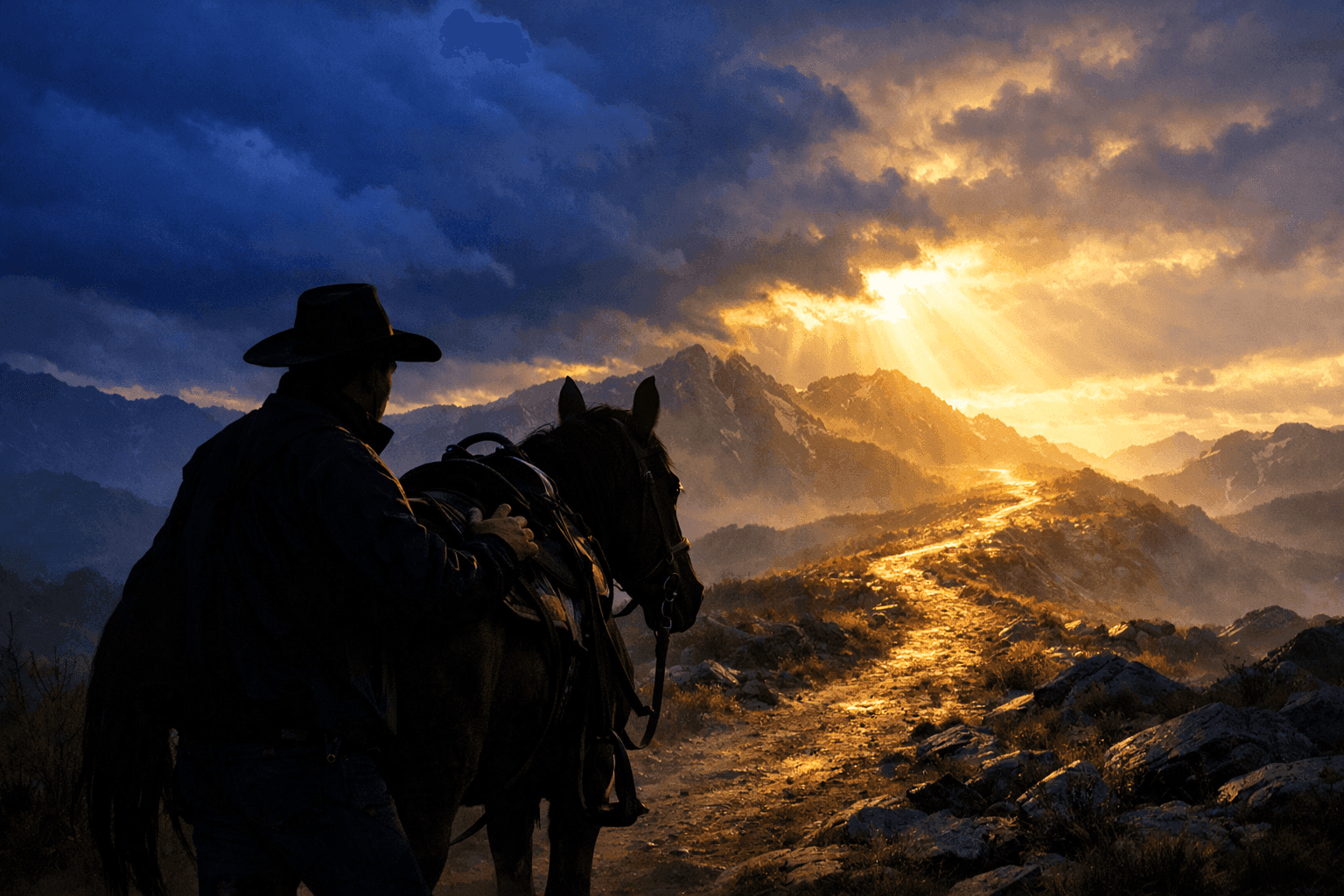
Inspirational image for quote

"Courage is being scared to death, but saddling up anyway."

— John Wayne

John Wayne (1907-1979) became an American icon through his portrayal of unflinching heroes in over 170 films spanning five decades. Despite playing fearless cowboys, soldiers, and lawmen on screen, Wayne understood that real courage operates differently than Hollywood suggests. His characters weren't fearless—they were men who felt fear deeply but refused to let it dictate their actions. Born Marion Morrison, Wayne built his career on embodying a particular American ideal: the person who faces danger despite internal terror. His definition of courage emerged from both his film roles and real life, recognizing that bravery doesn't mean feeling no fear—it means acting despite feeling all the fear. This insight resonated across generations because it made courage accessible to ordinary people facing everyday challenges.

RESILIENCE AND COURAGE
BRAVERY
ACTION

Context

Wayne's definition revolutionizes how we think about courage by acknowledging what fearless-hero mythology denies: brave people feel terrified. "Scared to death" isn't hyperbole—it's honest admission that fear can feel overwhelming, paralyzing, and completely legitimate. The power lies in "but saddling up anyway." That conjunction—"but"—represents the crucial moment when we choose action despite fear rather than comfort because of fear. Saddling up is preparation to ride into whatever challenges await, knowing full well the danger ahead. This metaphor resonates because it captures the deliberate, almost mechanical nature of courage—you feel the terror, acknowledge it, and then methodically prepare to face it anyway. Wayne understood that waiting until we feel brave guarantees we'll never act, because bravery isn't a feeling that arrives to rescue us. It's a decision we make while feeling afraid. This reframes courage from superhuman fearlessness to human determination, making it accessible to anyone facing a difficult conversation, career risk, health challenge, or personal transformation. You don't need to stop being scared; you just need to saddle up.

Today's Mantra

I acknowledge my fear and choose to move forward anyway.

Reflection Question

What's something you've been avoiding because you're scared? What would "saddling up anyway" look like for that specific situation? What's the smallest first action you could take while still feeling afraid?

Application Tip

Practice "courageous action despite fear" this week with a simple protocol: When you notice fear stopping you from taking action you know you should take, pause and name the fear out loud. "I'm scared of rejection," "I'm terrified of failing," "I'm afraid of looking foolish." Speaking it removes some of its power. Then immediately take one small preparatory action—the equivalent of checking your saddle before mounting. Send the first sentence of that difficult email. Make the phone call to schedule the appointment. Open the document and write one paragraph. Research the first step. The action doesn't need to be big; it needs to be done while you're still scared. Over time, you'll build evidence that feeling afraid doesn't prevent forward movement. Courage becomes a practiced skill rather than a mystical quality some possess and others lack.