
Personal Growth

Recent Content

The Art of Failing Better

The Art of Failing Better

Post

Samuel Beckett wrote the most famous instruction for anyone who has ever failed. Discover why trying again after failure is the only move that actually matters.

The Only Life You Have

The Only Life You Have

Post

Kazuo Ishiguro writes about the lives we did not choose. Discover why accepting the life you are actually living is its own form of quiet courage.

Habit Over Inspiration

Habit Over Inspiration

Post

Octavia Butler knew inspiration is unreliable. Discover why the writers and creators who last are the ones who show up by habit, not by feeling.

The Hardest Thing to See

The Hardest Thing to See

Post

George Orwell believed clarity is an act of courage. Discover how seeing things plainly -- and saying so -- transforms both your thinking and your life.

Show, Don't Announce

Show, Don't Announce

Post

Anton Chekhov believed the most powerful writing never announces itself. Discover how showing instead of telling transforms the way you communicate and connect.

See All Content
Terms and ConditionsDo Not Sell or Share My Personal InformationPrivacy PolicyPrivacy NoticeAccessibility NoticeUnsubscribe
Copyright © 2026 Inspirational Quotes

You Don't Have to Have the Answer Yet

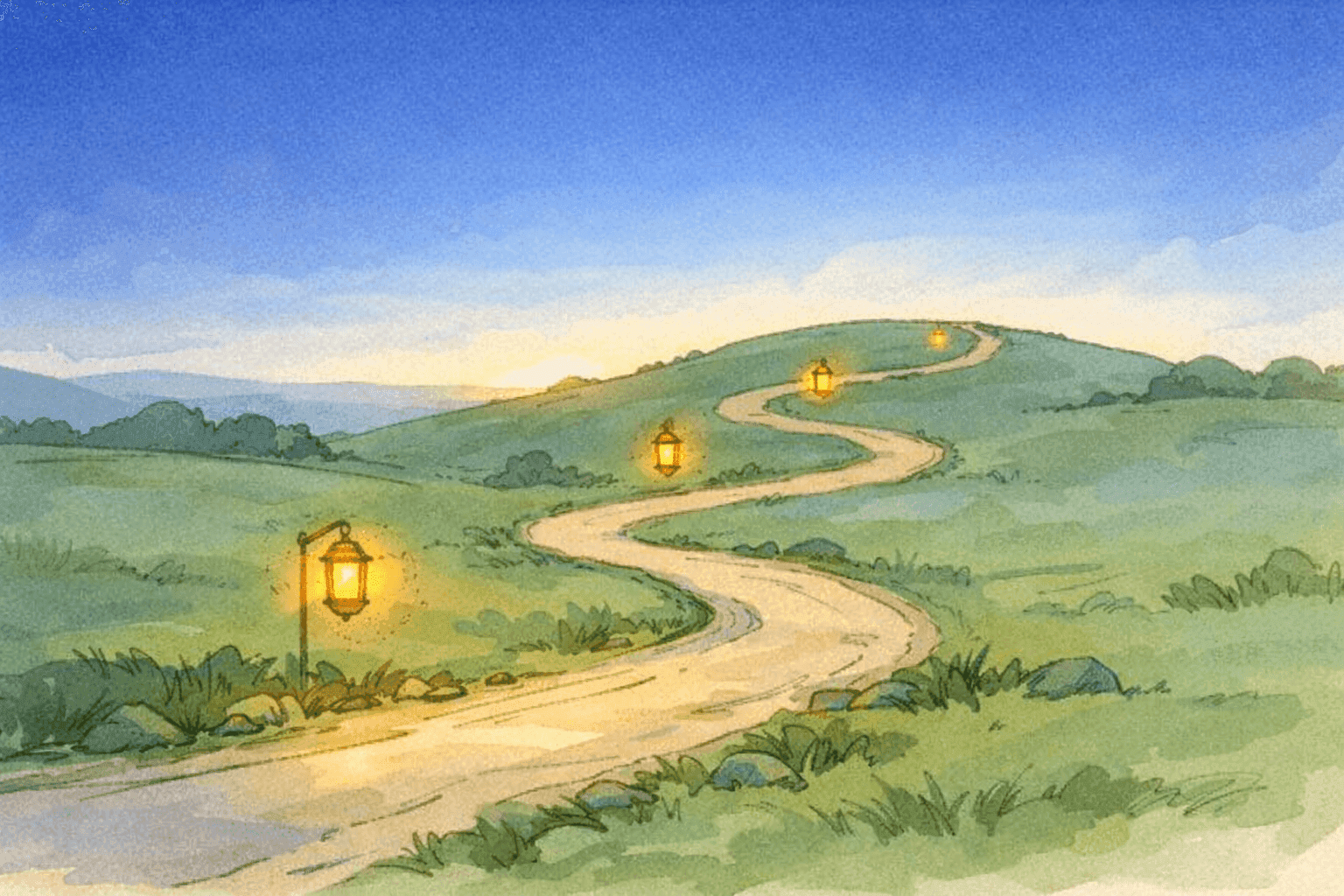
Inspirational image for quote

"Live the questions now. Perhaps then, someday far in the future, you will gradually, without even noticing it, live your way into the answer."

-- Rainer Maria Rilke

Rainer Maria Rilke (1875--1926) was an Austro-Bohemian poet widely regarded as one of the most lyrically gifted writers in the German language. Born in Prague to a family that pressed him toward a military career he had no aptitude for, he spent much of his adult life moving between Paris, Rome, and Swiss castles, supported by patrons who recognized his singular gift. His most celebrated works include the Duino Elegies and the Sonnets to Orpheus, both completed in a remarkable burst of inspiration in 1922. He also wrote Letters to a Young Poet, a collection of correspondence with a young cadet named Franz Kappus who had written to ask whether he had the talent and nerve to become an artist. This quote comes from that collection and has guided readers through uncertainty for more than a century. Rilke wrote it not as a philosopher dispensing comfort, but as someone who had spent his own life in the grip of questions he could not resolve -- and had learned, slowly, to make peace with that.

PERSONAL GROWTH
MINDFULNESS AND PEACE
INTENTIONAL LIVING

Context

Rilke wrote this in the fourth of his ten letters to Kappus, responding to the young man's impatience with his own uncertainty about his vocation, his relationships, and his place in the world. The pressure to resolve such questions quickly -- to declare who you are, what you believe, what you want -- is one of the defining anxieties of modern life. Rilke's answer was to reject the premise. The questions about how to live do not resolve themselves through analysis or force of will. They resolve themselves through living -- through the accumulation of choices and attention and time until one day, without quite knowing how, you find that you are already inside the answer you were looking for. The phrase "without even noticing it" is the key: the arrival is quiet and gradual, not dramatic. Patience is not passive. It is its own form of work.

Today's Mantra

I give myself permission to live inside the question without rushing toward a forced answer.

Reflection Question

What is the question you most want resolved right now -- about your work, your relationships, your direction? What would it feel like to stop pushing for a resolution and instead let yourself simply live alongside it for a while, trusting that the answer is forming even when it isn't visible?

Application Tip

Write down one question you have been pressuring yourself to answer -- about your career, your path, what you truly want. Then, instead of trying to answer it, write one way you could live it this week. Not decide it. Not resolve it. Just take one action that keeps you close to the question without demanding it close. Rilke's insight is that answers emerge from living, not from thinking. You do not figure your way into your life. You live your way into it. The question is already doing work you cannot see yet.