
Love & Relationships

Recent Content

The Art of Failing Better

The Art of Failing Better

Post

Samuel Beckett wrote the most famous instruction for anyone who has ever failed. Discover why trying again after failure is the only move that actually matters.

The Only Life You Have

The Only Life You Have

Post

Kazuo Ishiguro writes about the lives we did not choose. Discover why accepting the life you are actually living is its own form of quiet courage.

Habit Over Inspiration

Habit Over Inspiration

Post

Octavia Butler knew inspiration is unreliable. Discover why the writers and creators who last are the ones who show up by habit, not by feeling.

The Hardest Thing to See

The Hardest Thing to See

Post

George Orwell believed clarity is an act of courage. Discover how seeing things plainly -- and saying so -- transforms both your thinking and your life.

Show, Don't Announce

Show, Don't Announce

Post

Anton Chekhov believed the most powerful writing never announces itself. Discover how showing instead of telling transforms the way you communicate and connect.

See All Content
Terms and ConditionsDo Not Sell or Share My Personal InformationPrivacy PolicyPrivacy NoticeAccessibility NoticeUnsubscribe
Copyright © 2026 Inspirational Quotes

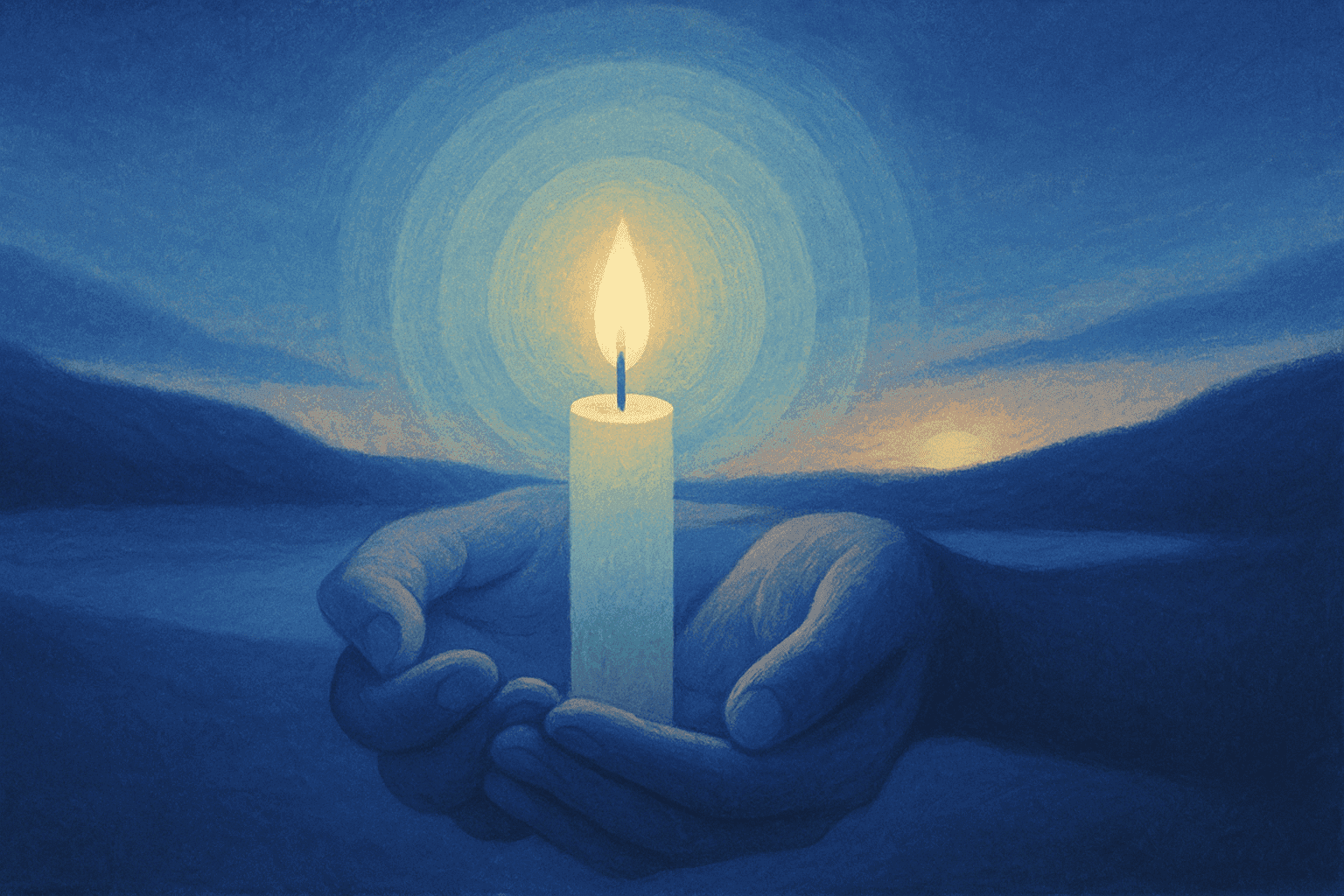
Light Against Darkness

A lit candle held in cupped hands

"Darkness cannot drive out darkness: only light can do that. Hate cannot drive out hate: only love can do that."

— Martin Luther King Jr.

Martin Luther King Jr. (1929-1968) was an American Baptist minister and the most visible spokesperson and leader in the American civil rights movement from 1955 until his assassination. Inspired by his Christian faith and the peaceful teachings of Mahatma Gandhi, King led nonviolent protests to fight for the rights of all people including African Americans. He hoped that America and the world could form a "beloved community" where racism would be replaced by an all-inclusive spirit of sisterhood and brotherhood. King was awarded the Nobel Peace Prize in 1964.

PEACE
COMPASSION
TRANSFORMATION

Context

This profound statement appears in Dr. King's 1967 book "Where Do We Go From Here: Chaos or Community?" written as racial tensions in America continued despite landmark civil rights legislation. King articulated this core principle of his philosophy of nonviolence—that responding to hate with more hate only perpetuates a cycle of destruction. Instead, he advocated for meeting oppression with love and understanding, believing that transformative change required breaking the cycle of retaliation rather than continuing it. This approach was not passive but demanded tremendous courage and strength to resist the natural impulse for vengeance.

Today's Mantra

I choose to respond with love, even when faced with darkness.

Reflection Question

Think of a time when you responded to negativity with more negativity. What was the outcome? Now consider a time when you responded to negativity with compassion or understanding. How did those different approaches affect both you and the situation?

Application Tip

The next time you encounter hostility or negativity, pause before responding. Take three deep breaths and consciously choose to respond with kindness rather than matching the negativity. This doesn't mean accepting mistreatment, but rather addressing the situation from a place of compassion rather than anger. Notice how this shift in approach affects both the situation and your own emotional wellbeing.