
Personal Growth

Recent Content

The Art of Failing Better

The Art of Failing Better

Post

Samuel Beckett wrote the most famous instruction for anyone who has ever failed. Discover why trying again after failure is the only move that actually matters.

The Only Life You Have

The Only Life You Have

Post

Kazuo Ishiguro writes about the lives we did not choose. Discover why accepting the life you are actually living is its own form of quiet courage.

Habit Over Inspiration

Habit Over Inspiration

Post

Octavia Butler knew inspiration is unreliable. Discover why the writers and creators who last are the ones who show up by habit, not by feeling.

The Hardest Thing to See

The Hardest Thing to See

Post

George Orwell believed clarity is an act of courage. Discover how seeing things plainly -- and saying so -- transforms both your thinking and your life.

Show, Don't Announce

Show, Don't Announce

Post

Anton Chekhov believed the most powerful writing never announces itself. Discover how showing instead of telling transforms the way you communicate and connect.

See All Content
Terms and ConditionsDo Not Sell or Share My Personal InformationPrivacy PolicyPrivacy NoticeAccessibility NoticeUnsubscribe
Copyright © 2026 Inspirational Quotes

Beyond The Door Of Fear

Inspirational image for quote

"Your task is not to seek for love, but merely to seek and find all the barriers within yourself that you have built against it."

— Rumi

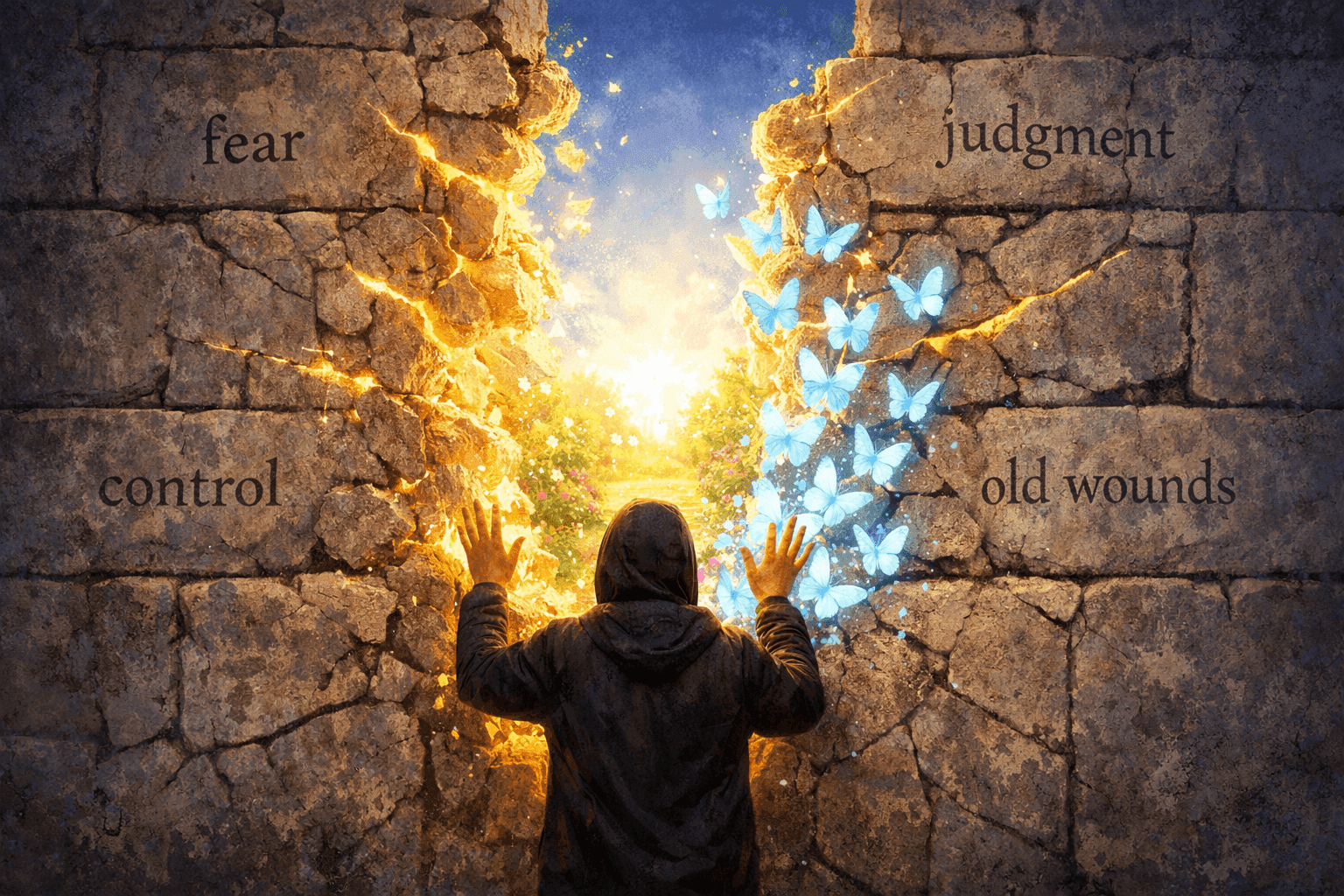
Jalāl al-Dīn Muhammad Rūmī (1207-1273) was a 13th-century Persian poet, Islamic scholar, and Sufi mystic whose profound spiritual insights transcend cultural and religious boundaries. Born in present-day Afghanistan, Rumi founded the Mevlevi Order of whirling dervishes in Konya, Turkey. His poetry collection, the Masnavi, contains over 25,000 verses exploring divine love, human suffering, and spiritual transformation. Despite writing nearly 800 years ago, Rumi remains one of the most widely read poets worldwide. His teachings emphasize that what we seek externally already exists within us, blocked only by the walls we've constructed through fear, judgment, and false protection.

PERSONAL GROWTH
INNER WORK
OPENNESS

Context

Rumi wrote extensively about the barriers humans create between themselves and what they desire most—love, connection, peace, and belonging. This particular insight emerged from his Sufi understanding that we don't lack access to divine love; we've simply obstructed our natural receptivity through layers of defense mechanisms, past wounds, and protective patterns. He observed that people exhaust themselves searching externally for what fear has blocked internally. The barriers aren't physical but psychological: cynicism protecting against disappointment, judgment shielding against vulnerability, control compensating for uncertainty, and walls built from old hurts. Rumi's radical proposition suggests that love, joy, and connection aren't scarce resources to hunt down but natural states we've learned to resist.

Today's Mantra

I examine my walls honestly and choose to lower them brick by brick.

Reflection Question

What barriers have you built to protect yourself from being hurt—cynicism, emotional distance, perfectionism, constant busyness—that now prevent you from experiencing the very connection and love you desire? Which wall could you begin dismantling today?

Application Tip

Identify one emotional barrier you recognize in yourself—perhaps difficulty accepting compliments, resistance to asking for help, or keeping relationships at surface level. This week, deliberately practice the opposite behavior once: receive a compliment with simple "thank you," ask someone for support, or share something vulnerable with a trusted person. Notice your discomfort—that's the wall revealing itself. Notice also what becomes possible when you let it crack slightly. The barrier exists to protect you, but what it guards against may no longer threaten you as it once did.