
Creativity & Purpose

Recent Content

Writing to Find Out

Writing to Find Out

Post

Flannery O'Connor believed writing was how she found out what she truly thought. Discover what this reveals about the power of putting ideas into words.

The Art of Failing Better

The Art of Failing Better

Post

Samuel Beckett wrote the most famous instruction for anyone who has ever failed. Discover why trying again after failure is the only move that actually matters.

The Only Life You Have

The Only Life You Have

Post

Kazuo Ishiguro writes about the lives we did not choose. Discover why accepting the life you are actually living is its own form of quiet courage.

Habit Over Inspiration

Habit Over Inspiration

Post

Octavia Butler knew inspiration is unreliable. Discover why the writers and creators who last are the ones who show up by habit, not by feeling.

The Hardest Thing to See

The Hardest Thing to See

Post

George Orwell believed clarity is an act of courage. Discover how seeing things plainly -- and saying so -- transforms both your thinking and your life.

See All Content
Terms and ConditionsDo Not Sell or Share My Personal InformationPrivacy PolicyPrivacy NoticeAccessibility NoticeUnsubscribe
Copyright © 2026 Inspirational Quotes

Your Story Is How Meaning Gets Made

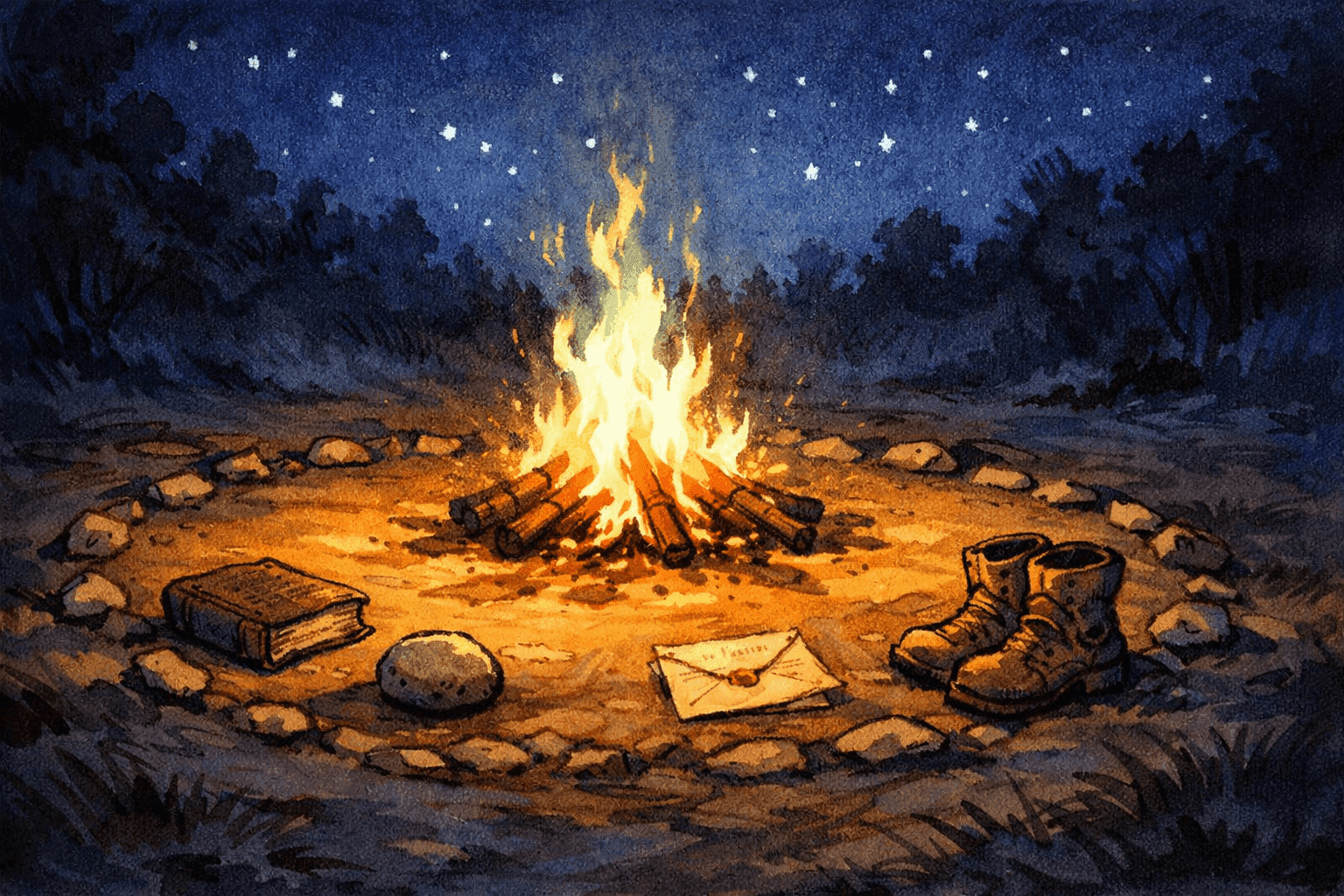
Inspirational image for quote

"Storytelling reveals meaning without committing the error of defining it."

— Hannah Arendt

Hannah Arendt (1906–1975) was a German-American political philosopher whose work addressed some of the twentieth century's most urgent questions: how ordinary people become capable of extraordinary evil, what it means to act freely in public life, and what politics requires of us as human beings. She fled Nazi Germany in 1933 and spent years as a stateless person before eventually finding her footing in America, where she wrote The Origins of Totalitarianism, The Human Condition, and her controversial report on the Eichmann trial, Eichmann in Jerusalem. Her concept of the "banality of evil" remains one of the most debated and enduring ideas in modern political thought.

CREATIVITY AND PURPOSE
AUTHENTICITY
MEANING

Context

Arendt wrote this in Men in Dark Times, a collection of essays on figures who maintained integrity during periods of political catastrophe. Her point is precise: when you define something — label it, categorize it, reduce it to a lesson — you flatten it. You make it smaller than it was. But a story preserves complexity. It allows the reader or listener to arrive at their own understanding, which is the only understanding that actually holds. Arendt believed this was not just an aesthetic preference but a moral one: respecting the irreducible particularity of a human life means telling what happened, not explaining what it means. The meaning is what the listener finds. That is the gift.

Today's Mantra

I trust the story to carry the meaning — and I trust the listener to find it.

Reflection Question

Is there a chapter of your life you have been summarizing rather than telling — reducing to a lesson learned or a label applied — when what it actually deserves is the fuller, messier, more honest version? What would it mean to let it be a story again instead of a conclusion?

Application Tip

This week, take one experience you have been carrying as a label — a failure, a loss, a defining moment you have described the same way for years — and write it out as a story instead. Not what it meant. What happened. Who was there. What the light was like. What you said and did not say. Give it detail and sequence without a moral at the end. Then notice whether you understand it differently when you stop trying to explain it. Arendt's point is that the explanation forecloses something. The story keeps it open.