
Personal Growth

Recent Content

Writing to Find Out

Writing to Find Out

Post

Flannery O'Connor believed writing was how she found out what she truly thought. Discover what this reveals about the power of putting ideas into words.

The Art of Failing Better

The Art of Failing Better

Post

Samuel Beckett wrote the most famous instruction for anyone who has ever failed. Discover why trying again after failure is the only move that actually matters.

The Only Life You Have

The Only Life You Have

Post

Kazuo Ishiguro writes about the lives we did not choose. Discover why accepting the life you are actually living is its own form of quiet courage.

Habit Over Inspiration

Habit Over Inspiration

Post

Octavia Butler knew inspiration is unreliable. Discover why the writers and creators who last are the ones who show up by habit, not by feeling.

The Hardest Thing to See

The Hardest Thing to See

Post

George Orwell believed clarity is an act of courage. Discover how seeing things plainly -- and saying so -- transforms both your thinking and your life.

See All Content
Terms and ConditionsDo Not Sell or Share My Personal InformationPrivacy PolicyPrivacy NoticeAccessibility NoticeUnsubscribe
Copyright © 2026 Inspirational Quotes

What You Practice Becomes You

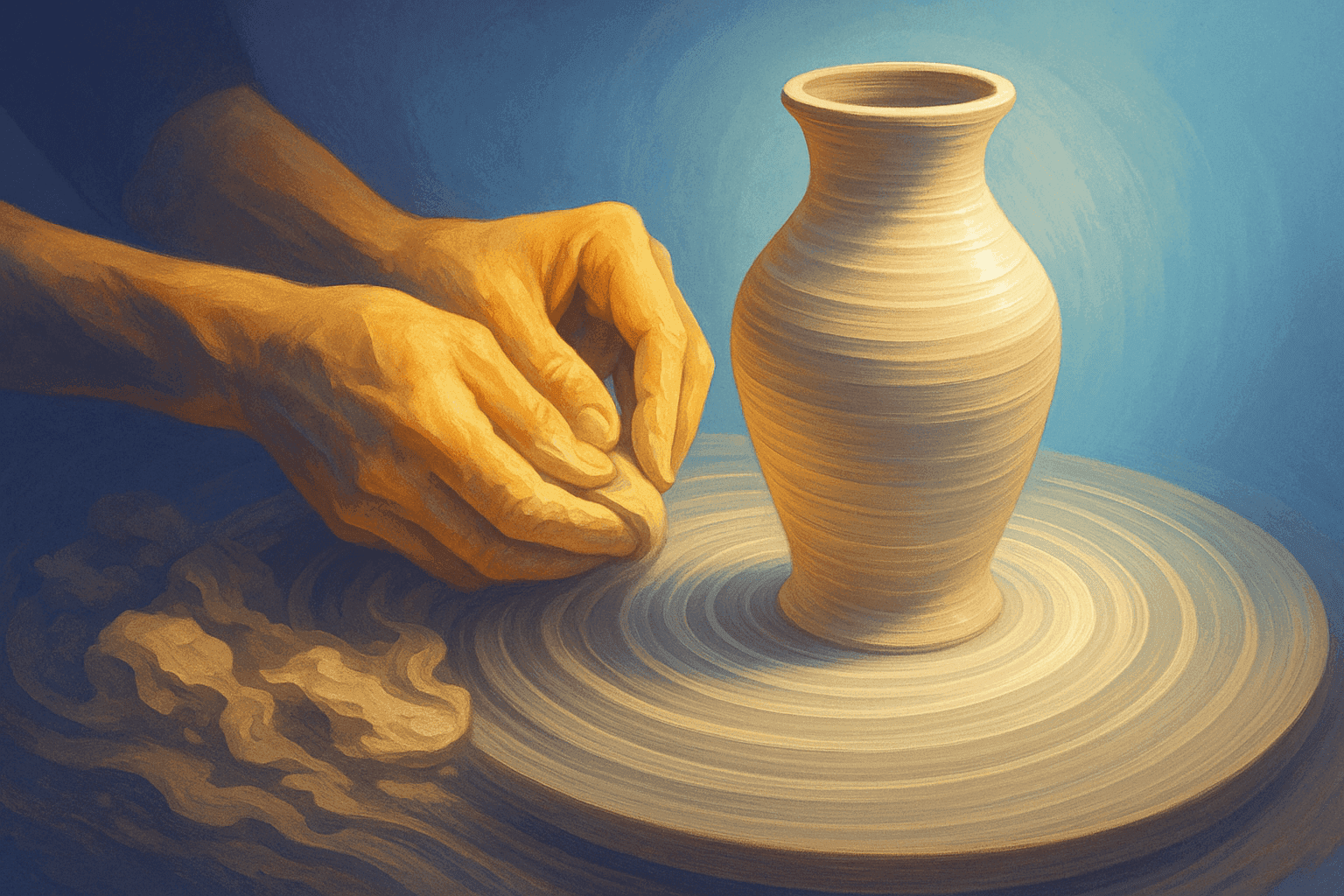
Inspirational image for quote

"We are what we repeatedly do. Excellence, then, is not an act, but a habit."

— Aristotle

Aristotle (384-322 BCE) was an ancient Greek philosopher and scientist who profoundly shaped Western thought across philosophy, ethics, politics, biology, and logic. A student of Plato and tutor to Alexander the Great, Aristotle founded his own school, the Lyceum, where he developed systematic approaches to nearly every field of knowledge. Unlike Plato's focus on abstract ideals, Aristotle emphasized practical wisdom gained through observation and experience. His Nicomachean Ethics explored virtue, happiness, and the good life, arguing that character develops through habitual practice rather than theoretical understanding alone. Aristotle believed that humans become virtuous not by knowing what virtue is but by repeatedly performing virtuous acts until excellence becomes second nature. His influence on ethics, science, and philosophy persists over two millennia later, particularly his insight that character forms through consistent action rather than sudden transformation.

PERSONAL GROWTH
HABITS
EXCELLENCE

Context

Aristotle wrote this principle in his Nicomachean Ethics while examining how humans achieve eudaimonia—flourishing or living well. He challenged the notion that excellence results from occasional heroic acts or innate talent. Instead, he argued that character forms through repeated choices that gradually become automatic. A person becomes brave not by performing one courageous act but by consistently choosing courage until bravery becomes their default response. The same applies to kindness, honesty, discipline, or any virtue worth cultivating. Aristotle understood that who we are isn't fixed by birth or sudden revelation but sculpted by our daily patterns. This insight liberates and challenges us: we're not trapped by our current identity, yet we're entirely responsible for who we're becoming through today's choices. Excellence isn't about dramatic transformation but about showing up consistently with intentionality. Modern neuroscience confirms Aristotle's ancient wisdom—repeated behaviors literally rewire our brains, making practiced actions easier and alternative behaviors harder over time.

Today's Mantra

I become who I practice being through consistent daily choices

Reflection Question

Look honestly at what you actually do repeatedly each day—not what you intend or wish to do, but your actual patterns. Based on these habits, who are you becoming? Is that person aligned with who you want to be, or are your daily actions creating someone different from your aspirations?

Application Tip

Choose one quality you want to embody—patience, courage, creativity, discipline—and design one tiny daily practice that reinforces it. If you want to become more patient, practice waiting three seconds before responding in conversations. If you want to become more creative, spend ten minutes daily sketching or writing without judgment. If you want to become more disciplined, make your bed every morning without exception. Track this single habit for thirty days using a simple checkmark calendar. Aristotle reminds us that excellence isn't built through occasional grand gestures but through mundane consistency. The person who meditates for five minutes daily becomes more mindful than the person who occasionally does hour-long sessions. Start so small that skipping feels harder than doing. After thirty days, assess not just whether you maintained the habit but whether you notice this quality emerging more naturally in other areas of your life. You're not just building a habit—you're becoming a different person through practice.