Personal Growth

Recent Content

Writing to Find Out

Writing to Find Out

Post

Flannery O'Connor believed writing was how she found out what she truly thought. Discover what this reveals about the power of putting ideas into words.

The Art of Failing Better

The Art of Failing Better

Post

Samuel Beckett wrote the most famous instruction for anyone who has ever failed. Discover why trying again after failure is the only move that actually matters.

The Only Life You Have

The Only Life You Have

Post

Kazuo Ishiguro writes about the lives we did not choose. Discover why accepting the life you are actually living is its own form of quiet courage.

Habit Over Inspiration

Habit Over Inspiration

Post

Octavia Butler knew inspiration is unreliable. Discover why the writers and creators who last are the ones who show up by habit, not by feeling.

The Hardest Thing to See

The Hardest Thing to See

Post

George Orwell believed clarity is an act of courage. Discover how seeing things plainly -- and saying so -- transforms both your thinking and your life.

See All Content
Terms and ConditionsDo Not Sell or Share My Personal InformationPrivacy PolicyPrivacy NoticeAccessibility NoticeUnsubscribe
Copyright © 2026 Inspirational Quotes

The Wisdom of Knowing Nothing

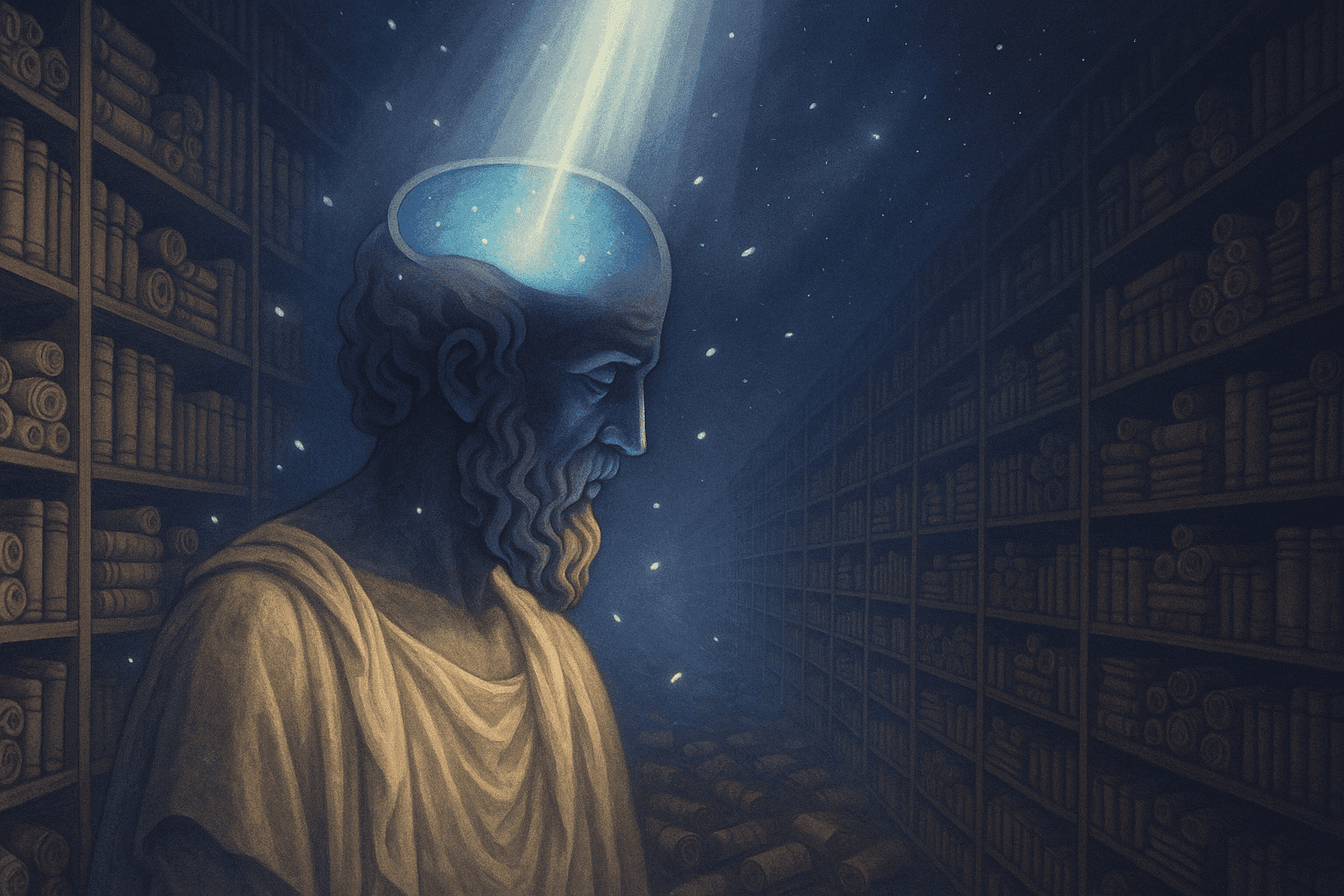
Inspirational image for quote

"The only true wisdom is in knowing you know nothing."

— Socrates

Socrates (470-399 BCE) was an ancient Greek philosopher credited as one of the founders of Western philosophy. Despite writing nothing himself, his ideas survived through the writings of his students, particularly Plato. Socrates spent his days in Athens questioning citizens about their beliefs, using his famous Socratic method to expose contradictions in their thinking. His relentless pursuit of truth and his practice of admitting his own ignorance eventually led to his trial and execution on charges of corrupting youth and impiety. The Oracle of Delphi reportedly proclaimed him the wisest man in Athens, which puzzled Socrates until he realized his wisdom came precisely from recognizing the limits of his knowledge—unlike others who mistook opinion for understanding.

PERSONAL GROWTH
WISDOM
HUMILITY

Context

This paradoxical statement emerged when Socrates tried to understand the Oracle's proclamation that he was the wisest man in Athens. By questioning supposed experts—politicians, poets, craftsmen—he discovered they claimed knowledge they didn't actually possess. They confused familiarity with expertise, opinion with understanding. Socrates realized his wisdom consisted precisely in acknowledging the vastness of what he didn't know, while others remained trapped in false confidence. This wasn't false modesty or intellectual paralysis—it was the recognition that admitting ignorance opens the door to genuine learning, while claiming to know closes it. Today, in an era when everyone has instant access to information and strong opinions on every topic, Socrates' insight proves more valuable than ever. True wisdom begins not with accumulating facts but with honest recognition of our knowledge boundaries.

Today's Mantra

I embrace what I don't know, remaining open to continuous learning.

Reflection Question

In what areas of life do you mistake familiarity for genuine understanding? Where might you be confusing strong opinions with actual knowledge? What could you learn if you approached these topics with genuine curiosity instead of assumed expertise?

Application Tip

Practice Socratic humility this week by implementing the "three magic words" exercise. Whenever you catch yourself making a confident assertion about something—politics, health, business, relationships—pause and ask yourself: "How do I know this?" Then trace your belief back to its source. Is it based on direct experience, rigorous study, trusted expertise, or simply something you once heard that matched your existing beliefs? Keep a "Knowledge Audit" journal documenting three topics where you discovered your confidence exceeded your actual understanding. For each topic, write "What I thought I knew" versus "What I actually know" versus "What I need to learn." This practice doesn't paralyze decision-making; it simply ensures your confidence aligns with your competence, opening space for genuine growth where intellectual arrogance previously blocked it.