
Mindfulness and Peace

Recent Content

Writing to Find Out

Writing to Find Out

Post

Flannery O'Connor believed writing was how she found out what she truly thought. Discover what this reveals about the power of putting ideas into words.

The Art of Failing Better

The Art of Failing Better

Post

Samuel Beckett wrote the most famous instruction for anyone who has ever failed. Discover why trying again after failure is the only move that actually matters.

The Only Life You Have

The Only Life You Have

Post

Kazuo Ishiguro writes about the lives we did not choose. Discover why accepting the life you are actually living is its own form of quiet courage.

Habit Over Inspiration

Habit Over Inspiration

Post

Octavia Butler knew inspiration is unreliable. Discover why the writers and creators who last are the ones who show up by habit, not by feeling.

The Hardest Thing to See

The Hardest Thing to See

Post

George Orwell believed clarity is an act of courage. Discover how seeing things plainly -- and saying so -- transforms both your thinking and your life.

See All Content
Terms and ConditionsDo Not Sell or Share My Personal InformationPrivacy PolicyPrivacy NoticeAccessibility NoticeUnsubscribe
Copyright © 2026 Inspirational Quotes

The Medicine No Doctor Can Prescribe

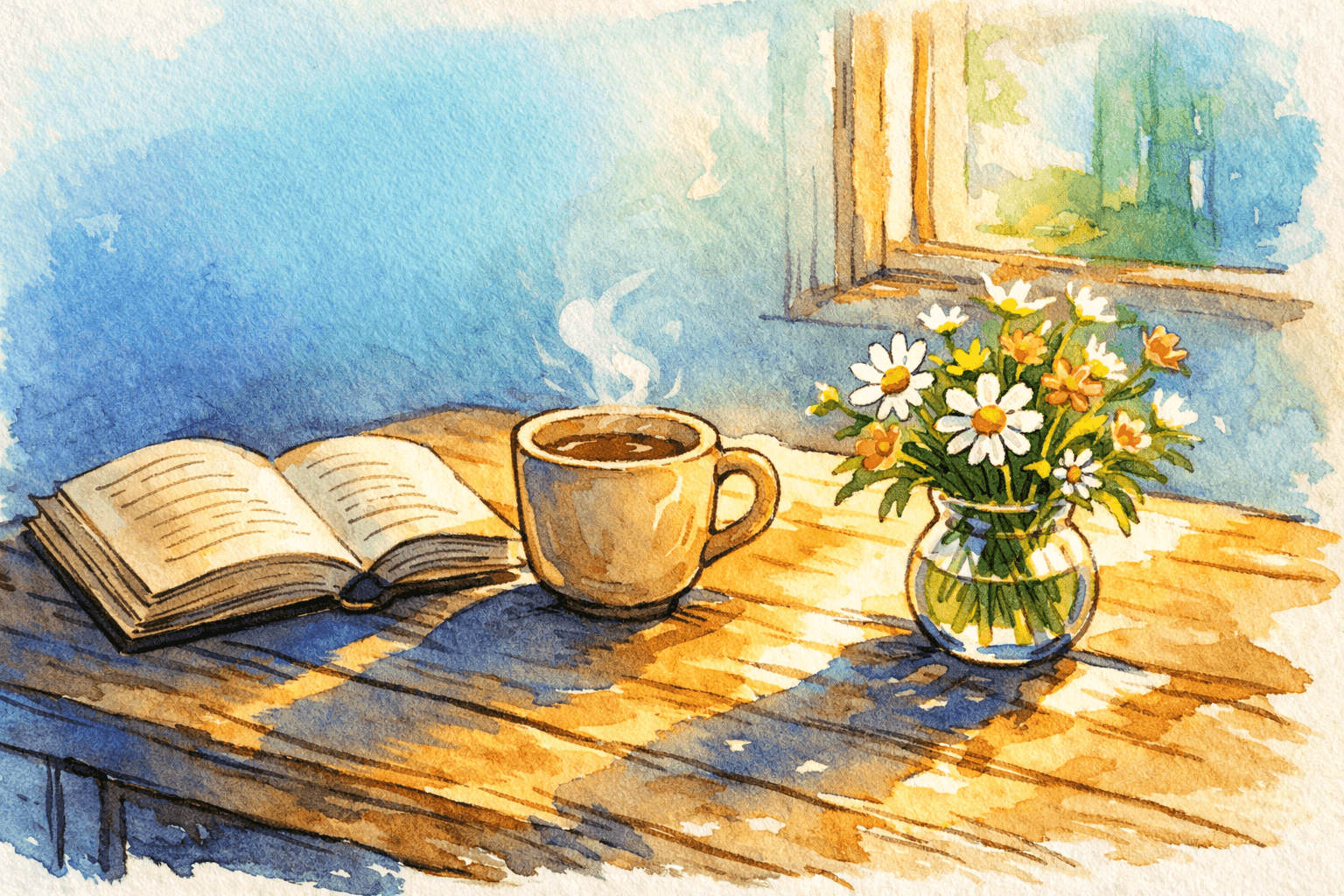
Inspirational image for quote

"No medicine cures what happiness cannot."

— Gabriel García Márquez

Gabriel García Márquez (1927–2014) was a Colombian novelist, short story writer, and journalist whose work defined the literary movement known as magical realism. His masterpiece, One Hundred Years of Solitude, published in 1967, sold more than fifty million copies and has been translated into more than forty languages. He was awarded the Nobel Prize in Literature in 1982 for fiction that combines fantasy and reality in a richly imagined world. Known to friends and admirers as Gabo, he spent his life writing about love, solitude, power, and the human capacity for both great beauty and great folly.

MINDFULNESS AND PEACE
WELLBEING
JOY

Context

García Márquez wrote this in Love in the Time of Cholera, a novel that spent more than fifty years exploring what keeps people alive and what slowly kills them — and concluded that love and joy are not merely pleasant additions to life but biological necessities. The line reads like a doctor's prescription written by a poet: blunt, confident, and pointing somewhere medicine alone cannot reach. Modern research in psychoneuroimmunology now supports what Gabo intuited — that chronic unhappiness compromises immune function, accelerates aging, and exacerbates illness, while genuine wellbeing strengthens the body's capacity to recover. He was not dismissing medicine. He was identifying what medicine cannot replace.

Today's Mantra

I treat my joy as something essential, not optional.

Reflection Question

What is something that reliably brings you genuine happiness — not distraction, not numbing, but real lightness — that you have been treating as a luxury rather than a need? What would it mean to protect that thing the way you protect your health?

Application Tip

This week, schedule one thing that brings you uncomplicated joy — not productivity, not self-improvement, just genuine pleasure — and protect that time as you would a medical appointment. Write it in your calendar with the same seriousness. When it arrives, give it your full presence. García Márquez understood that joy is not the reward for doing everything else right. It is part of what keeps you well enough to do anything at all.