
Love and Relationships

Recent Content

Writing to Find Out

Writing to Find Out

Post

Flannery O'Connor believed writing was how she found out what she truly thought. Discover what this reveals about the power of putting ideas into words.

The Art of Failing Better

The Art of Failing Better

Post

Samuel Beckett wrote the most famous instruction for anyone who has ever failed. Discover why trying again after failure is the only move that actually matters.

The Only Life You Have

The Only Life You Have

Post

Kazuo Ishiguro writes about the lives we did not choose. Discover why accepting the life you are actually living is its own form of quiet courage.

Habit Over Inspiration

Habit Over Inspiration

Post

Octavia Butler knew inspiration is unreliable. Discover why the writers and creators who last are the ones who show up by habit, not by feeling.

The Hardest Thing to See

The Hardest Thing to See

Post

George Orwell believed clarity is an act of courage. Discover how seeing things plainly -- and saying so -- transforms both your thinking and your life.

See All Content
Terms and ConditionsDo Not Sell or Share My Personal InformationPrivacy PolicyPrivacy NoticeAccessibility NoticeUnsubscribe
Copyright © 2026 Inspirational Quotes

The Kind of Love That Makes Things Bloom

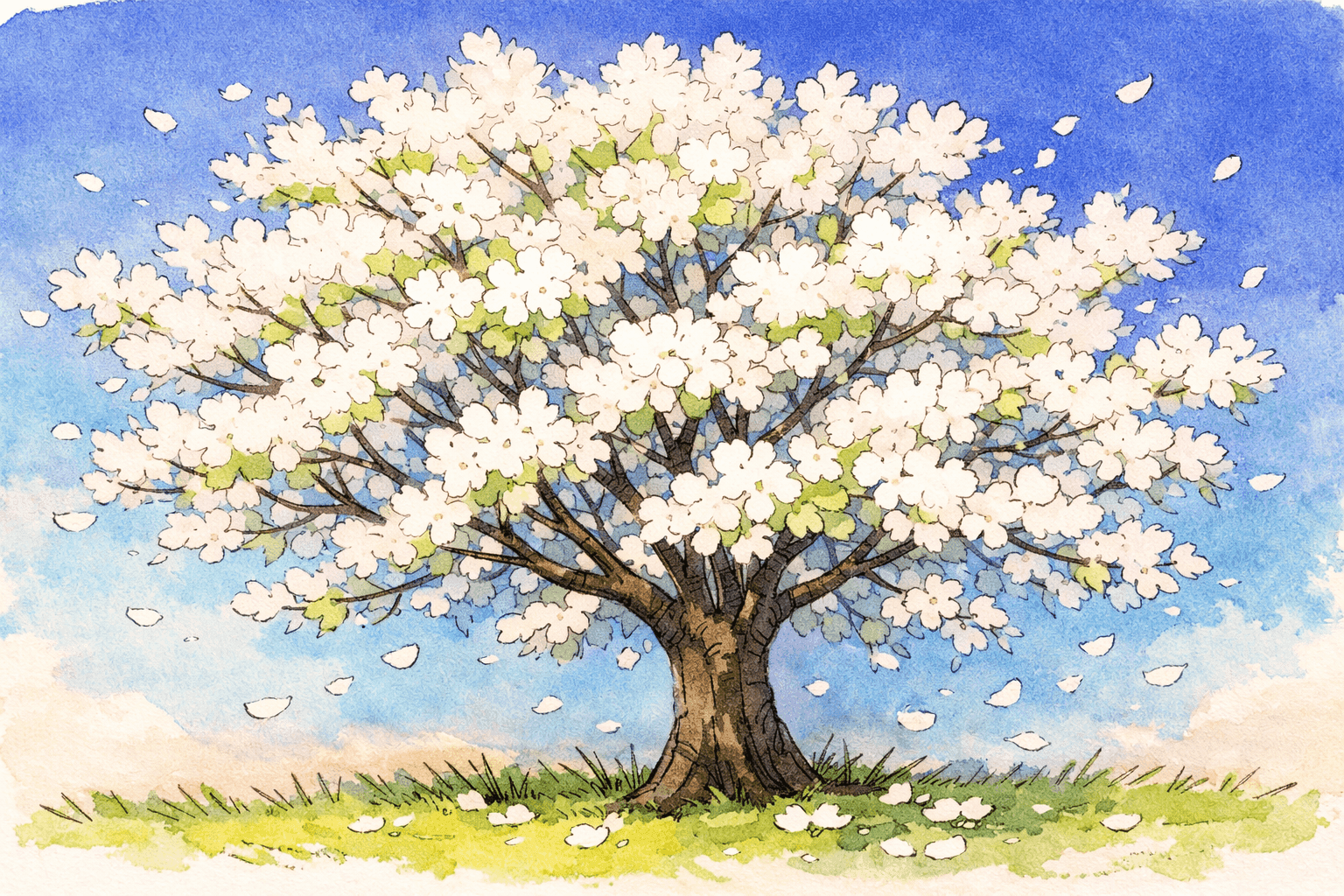
Inspirational image for quote

"I want to do with you what spring does with the cherry trees."

-- Pablo Neruda

Pablo Neruda (1904--1973) was a Chilean poet and diplomat who is widely considered one of the greatest poets of the twentieth century in any language. Born Ricardo Neftali Reyes Basoalto in Parral, Chile, he adopted his pen name as a teenager and began publishing poetry in his early teens. His work spans an extraordinary range -- from the erotic Twenty Love Poems and a Song of Despair, written at nineteen, to the sweeping political epic Canto General, to the late-life tenderness of his Odes. He served as a diplomat in several countries, became deeply involved in leftist politics, survived exile, and was awarded the Nobel Prize in Literature in 1971, two years before his death. The line in this post comes from "Every Day You Play," one of his most beloved early poems, and has been translated and retranslated dozens of times -- each attempt grappling with how to carry fourteen words that seem to contain everything.

LOVE AND RELATIONSHIPS
INTENTIONAL LIVING
WONDER

Context

This line comes from "Every Day You Play," written when Neruda was nineteen and burning with the particular intensity of early love. What makes it remarkable is what it does not say. It does not say "I love you completely" or "I want to give you everything." It reaches for something more specific and more interesting: the quality of what spring does. Spring does not ask for anything in return. It does not arrive cautiously or conditionally. It simply shows up and the trees become what they were always capable of becoming. Neruda is describing love not as a feeling or a transaction but as a climate -- the kind of presence that draws out what is already latent in another person. To love someone this way is to take seriously the idea that your attention and care are environmental forces, capable of causing bloom.

Today's Mantra

I bring the kind of presence that draws out the best in the people I love.

Reflection Question

Is there someone in your life who blooms when they are around you -- who becomes more fully themselves in your presence? And is there someone you love who might be capable of more than they currently show, if only the climate around them were different? What does your presence actually do to the people closest to you?

Application Tip

Choose one person you love -- a partner, a close friend, a child, a parent -- and spend this week paying attention to what they become when they feel fully seen. Not what they do for you, not what they owe you, but what they are capable of when the conditions are right. Ask one genuine question you do not already know the answer to. Give them your undivided attention for one conversation instead of partial attention spread across several. Notice what changes. Neruda's image suggests that love is less about grand gestures than about becoming the kind of steady, unhurried warmth that allows another person to do what they were always capable of doing.