
Mindfulness and Peace

Recent Content

Writing to Find Out

Writing to Find Out

Post

Flannery O'Connor believed writing was how she found out what she truly thought. Discover what this reveals about the power of putting ideas into words.

The Art of Failing Better

The Art of Failing Better

Post

Samuel Beckett wrote the most famous instruction for anyone who has ever failed. Discover why trying again after failure is the only move that actually matters.

The Only Life You Have

The Only Life You Have

Post

Kazuo Ishiguro writes about the lives we did not choose. Discover why accepting the life you are actually living is its own form of quiet courage.

Habit Over Inspiration

Habit Over Inspiration

Post

Octavia Butler knew inspiration is unreliable. Discover why the writers and creators who last are the ones who show up by habit, not by feeling.

The Hardest Thing to See

The Hardest Thing to See

Post

George Orwell believed clarity is an act of courage. Discover how seeing things plainly -- and saying so -- transforms both your thinking and your life.

See All Content
Terms and ConditionsDo Not Sell or Share My Personal InformationPrivacy PolicyPrivacy NoticeAccessibility NoticeUnsubscribe
Copyright © 2026 Inspirational Quotes

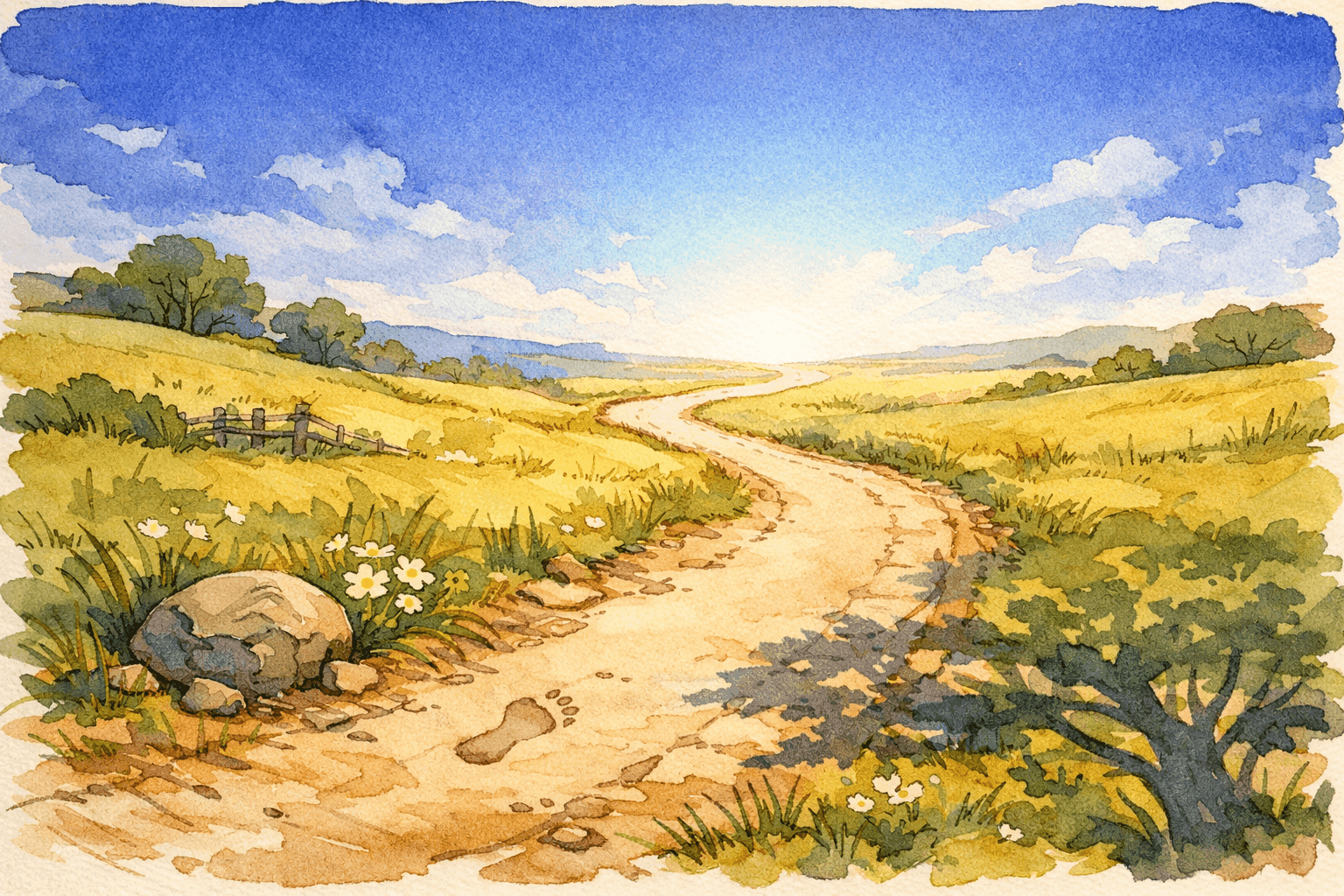
The Journey Is the Point

Inspirational image for quote

"It is good to have an end to journey toward, but it is the journey that matters in the end."

— Ursula Le Guin

Ursula K. Le Guin (1929–2018) was an American novelist and essayist whose work in science fiction and fantasy expanded what literature was thought capable of exploring. Author of more than twenty novels — including The Left Hand of Darkness, The Dispossessed, and the Earthsea series — she received nearly every major award in her field and was inducted into the American Academy of Arts and Letters. Le Guin used speculative worlds to examine questions of gender, power, ecology, and what it means to be human with a rigor and imagination that few writers in any genre have matched.

MINDFULNESS AND PEACE
PURPOSE
PRESENCE

Context

Le Guin wrote this in The Left Hand of Darkness, published in 1969, a novel that follows a human envoy's long and difficult journey across a hostile alien world. The line comes near the end, after everything has been survived and lost and learned, and it lands differently there than it would in a self-help context. Le Guin is not dismissing goals or destinations. She is saying that the goal is not what forms you — the travel is. The wrong turns, the long silences, the companions you meet and lose, the moments you almost quit — that is the material your life is actually made of. The arrival just gives the journey somewhere to stop.

Today's Mantra

I am fully present in the journey, knowing this is what I will carry forward.

Reflection Question

Think about a goal you are currently working toward. What has the pursuit of it already taught you, changed in you, or given you — independent of whether you reach it? If the destination never arrived, would the journey have been worth it anyway?

Application Tip

This week, write down three things you are in the middle of right now — a project, a relationship, a personal challenge — and for each one, name one thing the process itself is giving you that the outcome cannot: a skill, a lesson, a quality of attention, a relationship with difficulty. Then spend one day this week giving that process your full presence rather than your results-tracking. Le Guin's point is not that goals don't matter. It is that the arriving is brief, and the traveling is your actual life.