
Creativity & Purpose

Recent Content

Writing to Find Out

Writing to Find Out

Post

Flannery O'Connor believed writing was how she found out what she truly thought. Discover what this reveals about the power of putting ideas into words.

The Art of Failing Better

The Art of Failing Better

Post

Samuel Beckett wrote the most famous instruction for anyone who has ever failed. Discover why trying again after failure is the only move that actually matters.

The Only Life You Have

The Only Life You Have

Post

Kazuo Ishiguro writes about the lives we did not choose. Discover why accepting the life you are actually living is its own form of quiet courage.

Habit Over Inspiration

Habit Over Inspiration

Post

Octavia Butler knew inspiration is unreliable. Discover why the writers and creators who last are the ones who show up by habit, not by feeling.

The Hardest Thing to See

The Hardest Thing to See

Post

George Orwell believed clarity is an act of courage. Discover how seeing things plainly -- and saying so -- transforms both your thinking and your life.

See All Content
Terms and ConditionsDo Not Sell or Share My Personal InformationPrivacy PolicyPrivacy NoticeAccessibility NoticeUnsubscribe
Copyright © 2026 Inspirational Quotes

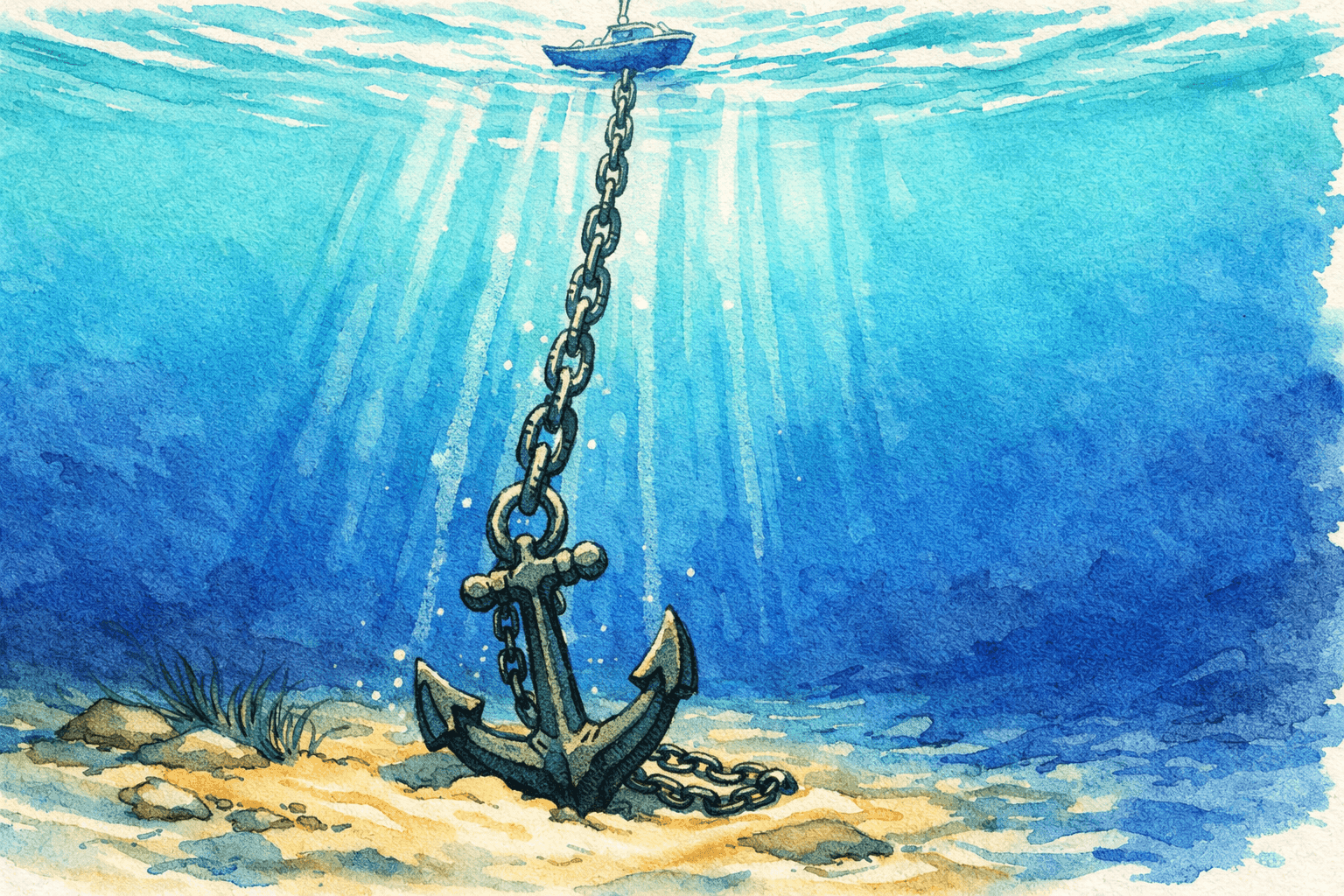
Purpose Is the Anchor That Holds

Inspirational image for quote

"He who has a why to live can bear almost any how."

— Friedrich Nietzsche

Friedrich Nietzsche (1844–1900) was a German philosopher whose ideas on morality, power, and the nature of meaning made him one of the most provocative and widely misread thinkers of the modern era. Works including Thus Spoke Zarathustra, Beyond Good and Evil, and On the Genealogy of Morality challenged readers to examine the foundations of their values and construct lives of genuine purpose rather than inherited convention. He spent much of his adult life in poor health and social isolation, writing with extraordinary intensity before suffering a mental collapse in 1889. His influence spread across philosophy, psychology, literature, and existentialist thought, most notably shaping the work of Viktor Frankl.

CREATIVITY AND PURPOSE
RESILIENCE
MEANING

Context

Nietzsche wrote this in Twilight of the Idols in 1888, one of his final works before his collapse. The line takes on additional weight because Viktor Frankl, writing from inside a Nazi concentration camp decades later, cited it as a key to how prisoners survived. Frankl observed that those who held on to a reason to live — a person to return to, a work to complete, a truth to bear witness to — endured conditions that destroyed those who had lost their why. The quote is not about optimism or positive thinking. It is about the practical, sustaining power of purpose. A clear why does not remove hardship. It gives hardship a frame that makes it survivable, and sometimes transformative.

Today's Mantra

I know my why, and it steadies me through every how.

Reflection Question

If you had to write one sentence that captured your deepest reason for getting up in the morning — not your job title, not your obligations, but the actual why underneath everything — what would it say? And when things get hard, is that why clear enough to hold you?

Application Tip

Write your why in one sentence and put it somewhere you will see it during the hardest part of your day. Not an inspirational poster — something personal and specific to you: the person you are doing this for, the thing you are trying to build or protect or become. Then, the next time a difficulty makes you want to quit or disengage, read it before you decide anything. Frankl's research showed that people with a clear why made different decisions under pressure than those without one. Your why does not solve the problem. It changes how you face it.