
Mindfulness and Peace

Recent Content

Writing to Find Out

Writing to Find Out

Post

Flannery O'Connor believed writing was how she found out what she truly thought. Discover what this reveals about the power of putting ideas into words.

The Art of Failing Better

The Art of Failing Better

Post

Samuel Beckett wrote the most famous instruction for anyone who has ever failed. Discover why trying again after failure is the only move that actually matters.

The Only Life You Have

The Only Life You Have

Post

Kazuo Ishiguro writes about the lives we did not choose. Discover why accepting the life you are actually living is its own form of quiet courage.

Habit Over Inspiration

Habit Over Inspiration

Post

Octavia Butler knew inspiration is unreliable. Discover why the writers and creators who last are the ones who show up by habit, not by feeling.

The Hardest Thing to See

The Hardest Thing to See

Post

George Orwell believed clarity is an act of courage. Discover how seeing things plainly -- and saying so -- transforms both your thinking and your life.

See All Content
Terms and ConditionsDo Not Sell or Share My Personal InformationPrivacy PolicyPrivacy NoticeAccessibility NoticeUnsubscribe
Copyright © 2026 Inspirational Quotes

Living Fully Present

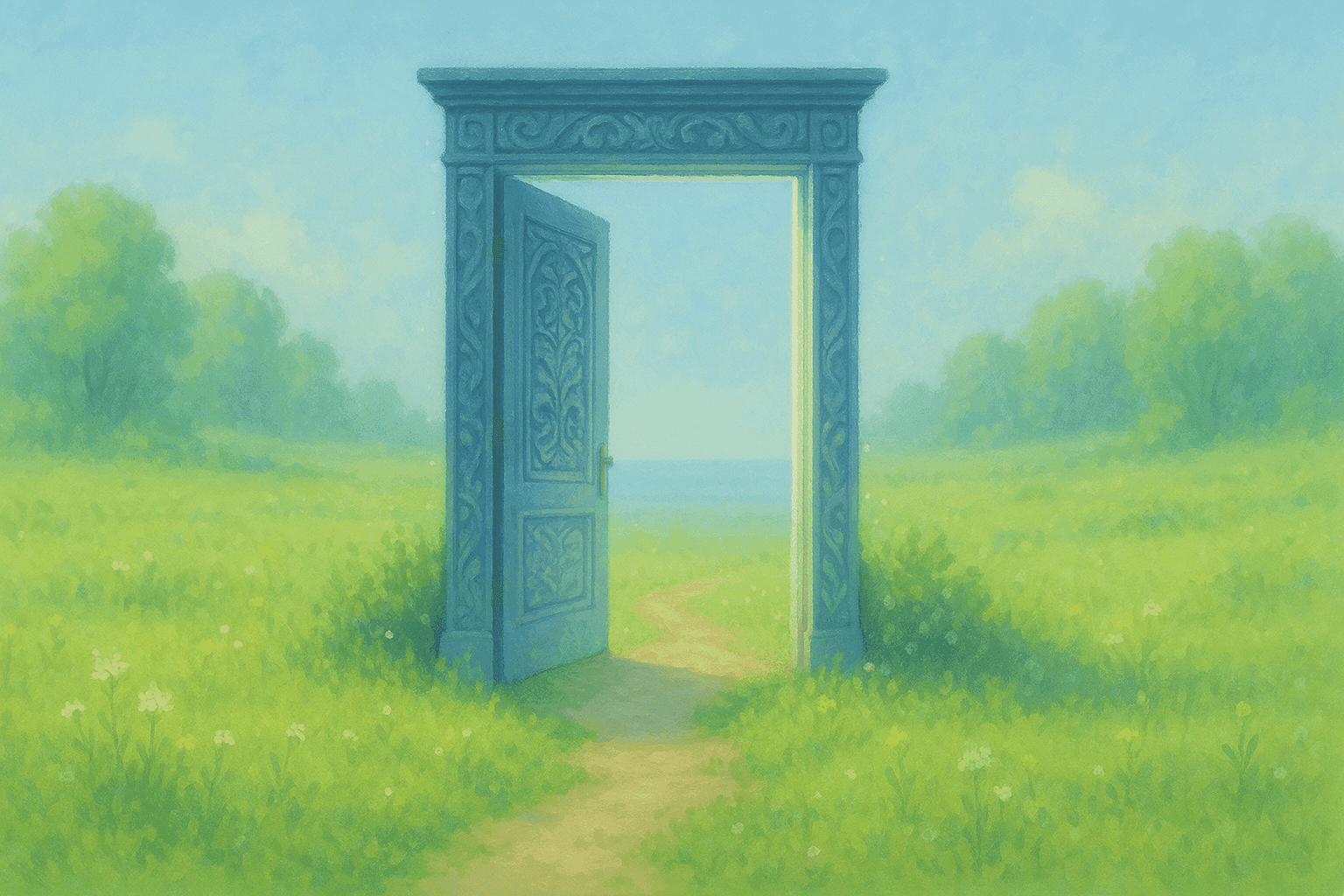
Inspirational image for quote

"The present moment is the only moment available to us, and it is the door to all moments."

— Thich Nhat Hanh

Thich Nhat Hanh (1926-2022) was a Vietnamese Buddhist monk, peace activist, and prolific author who brought mindfulness practices to Western audiences. Ordained at age sixteen, he founded the School of Youth for Social Service during the Vietnam War, leading efforts to rebuild bombed villages while maintaining nonviolent principles. His activism led to exile from Vietnam for nearly forty years. Martin Luther King Jr. nominated him for the Nobel Peace Prize in 1967, recognizing his courage in advocating peace during wartime. Thich Nhat Hanh established Plum Village monastery in France, creating a global community practicing engaged Buddhism—the integration of meditation with social action. His teachings simplified ancient Buddhist wisdom into accessible practices like mindful breathing and walking, helping millions discover peace within everyday activities rather than seeking it through escape or achievement.

MINDFULNESS AND PEACE
AWARENESS
PRESENCE

Context

Thich Nhat Hanh developed this teaching while working with trauma survivors and refugees who carried crushing burdens of past suffering and future anxiety. He observed that mental anguish rarely stems from present circumstances but from dwelling in memories or projecting into imagined futures. His metaphor of the present as a "door" suggests that fully inhabiting now doesn't trap us but paradoxically opens access to wisdom from the past and skillful preparation for the future. The teaching challenges Western productivity culture's emphasis on constantly striving toward future goals while treating the present as mere transition. Thich Nhat Hanh witnessed extreme suffering during war yet discovered that peace exists independent of external conditions when we stop fragmenting consciousness across time. His practice emerged from recognizing that we cannot actually live in past or future—we can only think about them from the present, making now the sole location where life actually occurs and transformation becomes possible.

Today's Mantra

I arrive fully in this moment, the only place life exists.

Reflection Question

How much of your daily mental energy gets consumed by replaying past events or rehearsing future scenarios? What aspects of your actual present experience do you miss while your mind time-travels?

Application Tip

Practice mindful transitions this week by treating every threshold as a reset button for awareness. When opening doors, pausing before answering the phone, or starting your car, take three conscious breaths while noticing physical sensations—feet on ground, hands touching surfaces, air moving through nostrils. Label each transition moment: "I am here now." This practice interrupts automatic pilot and trains your mind to recognize present moments throughout the day rather than sleepwalking through hours while mentally elsewhere. After one week, notice whether this increased present-moment awareness affects your stress levels and appreciation for ordinary experiences.