
Success and Leadership

Recent Content

Writing to Find Out

Writing to Find Out

Post

Flannery O'Connor believed writing was how she found out what she truly thought. Discover what this reveals about the power of putting ideas into words.

The Art of Failing Better

The Art of Failing Better

Post

Samuel Beckett wrote the most famous instruction for anyone who has ever failed. Discover why trying again after failure is the only move that actually matters.

The Only Life You Have

The Only Life You Have

Post

Kazuo Ishiguro writes about the lives we did not choose. Discover why accepting the life you are actually living is its own form of quiet courage.

Habit Over Inspiration

Habit Over Inspiration

Post

Octavia Butler knew inspiration is unreliable. Discover why the writers and creators who last are the ones who show up by habit, not by feeling.

The Hardest Thing to See

The Hardest Thing to See

Post

George Orwell believed clarity is an act of courage. Discover how seeing things plainly -- and saying so -- transforms both your thinking and your life.

See All Content
Terms and ConditionsDo Not Sell or Share My Personal InformationPrivacy PolicyPrivacy NoticeAccessibility NoticeUnsubscribe
Copyright © 2026 Inspirational Quotes

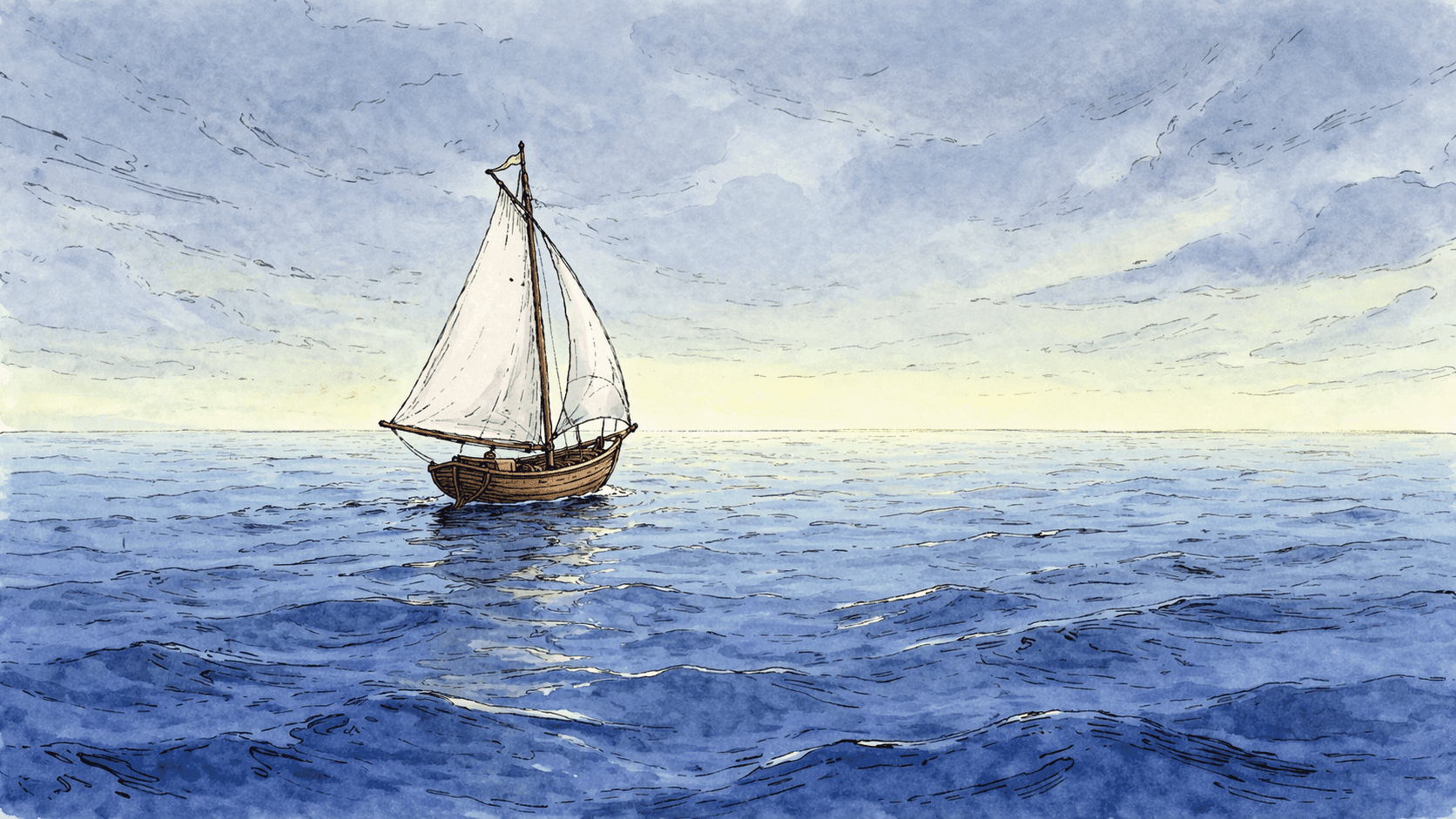
Every Wind Is Wrong When You Have No Destination

Inspirational image for quote

"If one does not know to which port one is sailing, no wind is favorable."

-- Seneca

Lucius Annaeus Seneca (4 BCE -- 65 CE) was a Roman Stoic philosopher, statesman, and playwright whose writing has endured for two millennia as some of the most practical wisdom ever put to paper. Born in Cordoba, Spain, he rose to become one of Rome's most influential figures, serving as tutor and advisor to the Emperor Nero. Exiled to Corsica for eight years, he used that solitude to develop the philosophy of intentional living that runs through his essays and letters. His Epistulae Morales -- 124 letters to his friend Lucilius -- remain among antiquity's most direct and readable guides to how a person ought to spend their time. Seneca was ultimately ordered by Nero to take his own life; he met his death with the composure he had spent a lifetime cultivating.

SUCCESS AND LEADERSHIP
CLARITY
INTENTIONAL LIVING

Context

Seneca wrote this in his Epistulae Morales as part of a broader argument that purposeless activity is its own kind of trap. Rome was a city of relentless busyness, and Seneca watched his contemporaries exhaust themselves accomplishing very little that mattered because they had never decided where they were trying to go. The sailing metaphor is exact: a wind that helps a ship heading north is the same wind that hurts a ship heading south. Without a destination, you cannot even evaluate whether your circumstances are working for you or against you. The quote is as relevant now as it was two thousand years ago -- in an era of constant motion, the scarcest resource is not energy but direction.

Today's Mantra

I know where I am going, and I move toward it with intention every day.

Reflection Question

Can you name the port you are sailing toward right now -- clearly, specifically, without hedging? If the answer comes slowly or vaguely, what does that tell you about where your effort is actually going?

Application Tip

Write down the single most important destination in your life right now -- one specific, concrete outcome you are working toward. Then look at how you spent your last five working days and ask honestly: what percentage of that time was moving the ship toward that port? If the number is lower than you expected, you do not have a motivation problem or an effort problem. You have a direction problem, and the fix is to return to the destination before you return to the work.