
Recent Content

Peace Starts With A Smile

Peace Starts With A Smile

Post

Mother Teresa's simple line on peace shows how one small, deliberate act can shift your entire day.

Sun Tzu on Notification Overload

Sun Tzu on Notification Overload

Post

Sun Tzu never saw a lock screen, but he knew what happens when you fight every battle at once. A 2500-year-old fix for your buzzing phone.

Success Measured In People

Success Measured In People

Post

Michelle Obama redefines success as impact on others, not income—here's why that shift changes how you lead and live.

Ease Is The Real Threat

Ease Is The Real Threat

Post

Denzel Washington's blunt line on ease vs. hardship shows why comfort quietly stalls growth more than struggle ever does.

Thinking For Yourself Aloud

Thinking For Yourself Aloud

Post

Coco Chanel's blunt take on courage shows why speaking your real thoughts out loud is braver than staying quietly agreeable.

See All Content
logo
  • Success & Leadership
  • Mindfulness & Peace
  • Love & Relationships
  • Personal Growth
  • Creativity & Purpose
  • Resilience & Courage
  • About Us
  • Success & Leadership
  • Mindfulness & Peace
  • Love & Relationships
  • Personal Growth
  • Creativity & Purpose
  • Resilience & Courage
  • About Us
  • ​

The Work That Chooses You

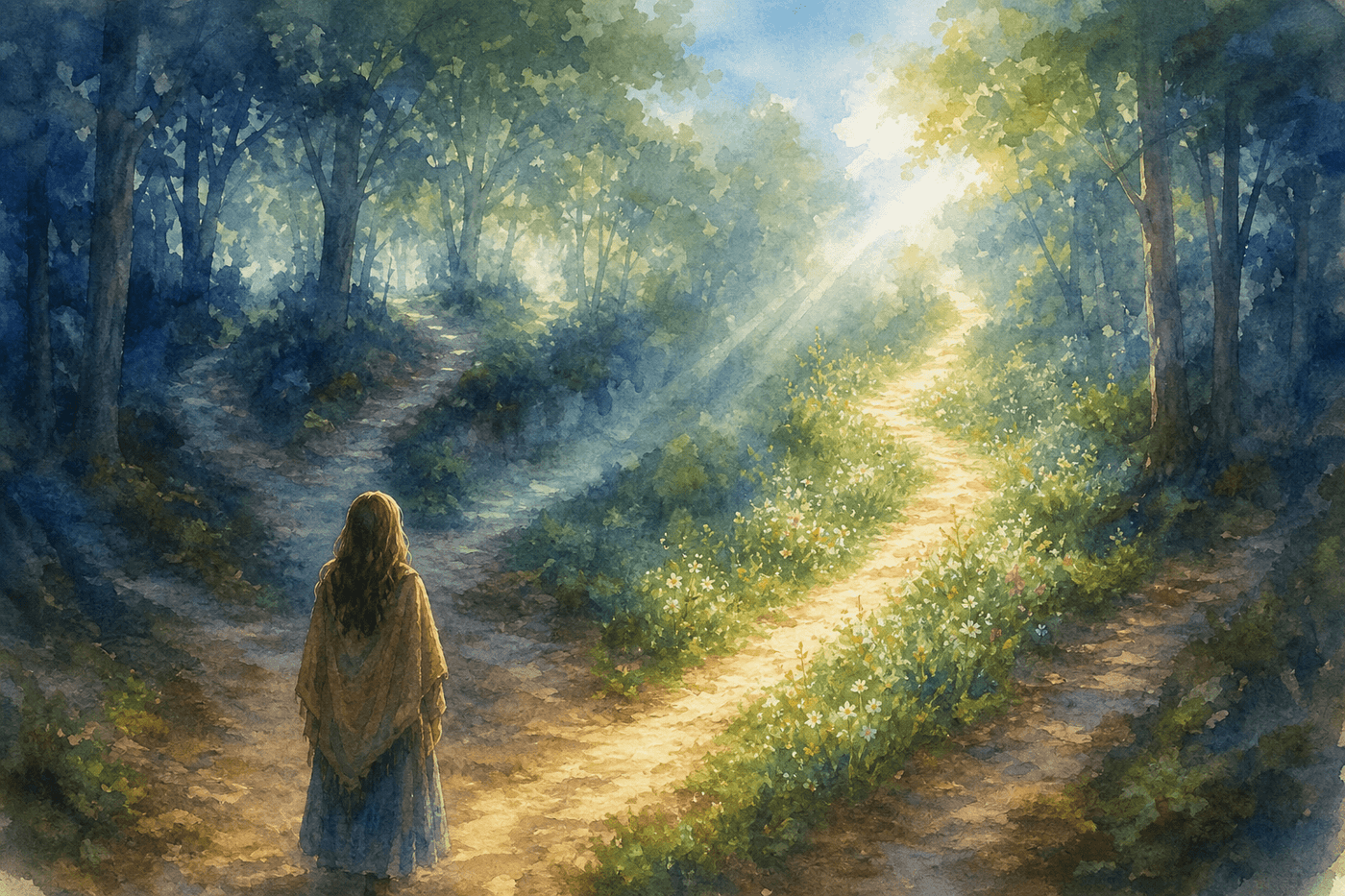
Inspirational image for quote

"Find out the reason that commands you to write; see whether it has spread its roots into the very depth of your heart; confess to yourself you would have to die if you were forbidden to write."

— Rainer Maria Rilke

Rainer Maria Rilke (1875–1926) was a Bohemian-Austrian poet and novelist whose deeply introspective work explored themes of solitude, spiritual longing, and the artist's relationship to their craft. His most celebrated works include the Duino Elegies and Sonnets to Orpheus. Rilke spent much of his life traveling across Europe, serving as secretary to sculptor Auguste Rodin and corresponding with aspiring writers through his influential Letters to a Young Poet. His writing emerged from a belief that poetry was not a career choice but a spiritual necessity—something one could not live without. His influence extends across modern literature, philosophy, and the understanding of creative vocation.

CREATIVITY AND PURPOSE
VOCATION
NECESSITY

Context

This passage appears in Rilke's Letters to a Young Poet, written between 1903 and 1908 in response to Franz Xaver Kappus, a nineteen-year-old military cadet seeking advice about pursuing poetry. Rilke refused to offer conventional encouragement or critique. Instead, he demanded that Kappus interrogate his own motives at the deepest level. The question isn't whether you're talented enough or whether the work will succeed—it's whether the compulsion to create has become inseparable from your survival. Rilke understood that true vocation isn't chosen; it's discovered through honest reckoning with what you cannot live without. This remains the most rigorous test of creative calling: not ambition, not skill, but necessity.

Today's Mantra

I honor the work that lives at the root of who I am.

Reflection Question

If you were forbidden from doing the work you feel called to—whether creative, intellectual, relational, or service-oriented—would you experience it as a form of death, or would you adapt and move on relatively unharmed?

Application Tip

Today, write down three activities or forms of work that feel essential to you—not because they're profitable or impressive, but because they feel like expressions of something central. Then, for each one, complete this sentence honestly: "If I could never do this again, I would feel..." Notice where the language becomes urgent, where loss feels unbearable. That's where vocation lives. Don't judge the answers or try to make them align with what you think you should want. Rilke's test isn't about aspiration—it's about recognizing what's already rooted.

Terms and ConditionsDo Not Sell or Share My Personal InformationPrivacy PolicyPrivacy NoticeAccessibility NoticeUnsubscribe
Copyright © 2026 Inspirational Quotes