
Recent Content

The Only Life You Have

The Only Life You Have

Post

Kazuo Ishiguro writes about the lives we did not choose. Discover why accepting the life you are actually living is its own form of quiet courage.

Habit Over Inspiration

Habit Over Inspiration

Post

Octavia Butler knew inspiration is unreliable. Discover why the writers and creators who last are the ones who show up by habit, not by feeling.

The Hardest Thing to See

The Hardest Thing to See

Post

George Orwell believed clarity is an act of courage. Discover how seeing things plainly -- and saying so -- transforms both your thinking and your life.

Show, Don't Announce

Show, Don't Announce

Post

Anton Chekhov believed the most powerful writing never announces itself. Discover how showing instead of telling transforms the way you communicate and connect.

Beauty as the Last Rebellion

Beauty as the Last Rebellion

Post

Fyodor Dostoevsky believed beauty holds a redemptive power most of us overlook. Discover what he meant and how it applies to the way you move through the world.

See All Content
Terms and ConditionsDo Not Sell or Share My Personal InformationPrivacy PolicyPrivacy NoticeAccessibility NoticeUnsubscribe
Copyright © 2026 Inspirational Quotes

The Most Wonderful Fairy Tale

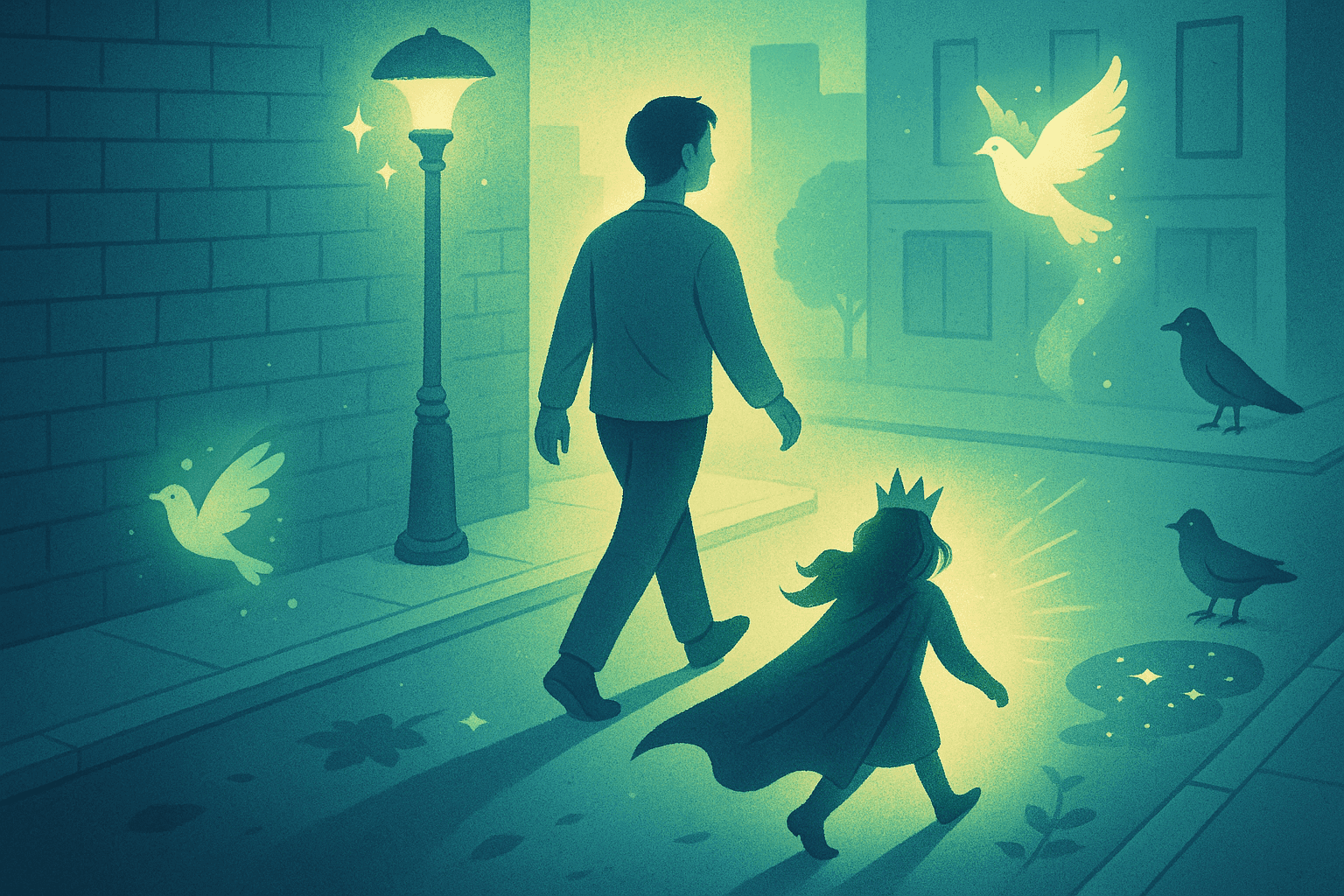
Inspirational image for quote

"Life itself is the most wonderful fairy tale."

— Hans Christian Andersen

Hans Christian Andersen (1805-1875) was a Danish author who became one of the world's most celebrated fairy tale writers, creating beloved stories like "The Little Mermaid," "The Ugly Duckling," and "The Snow Queen." Born into poverty, Andersen faced numerous rejections and social challenges before achieving literary success. His own life resembled the transformative journeys in his stories—from an awkward, insecure young man to an internationally acclaimed author. Andersen understood that real life contains all the elements of the greatest fairy tales: unexpected plot twists, magical transformations, encounters with both villains and helpers, and the possibility of happy endings for those who persist with hope and courage. His perspective reminds us that viewing our existence as an unfolding story can help us find meaning, magic, and possibility in even the most ordinary circumstances.

CREATIVITY AND PURPOSE
WONDER
PERSPECTIVE

Context

Andersen spoke from the experience of someone who lived an extraordinary transformation story himself—rising from poverty and social awkwardness to international fame and literary immortality. His quote reframes how we view our existence, suggesting that the elements we seek in great stories are already present in our daily lives. Like fairy tales, life contains moments of magic disguised as coincidence, periods of struggle that lead to growth, unexpected allies who appear when needed, and challenges that reveal hidden strengths. Andersen understood that the key difference between a boring story and a wonderful one is often perspective and attention to detail. His insight challenges us to see our lives as protagonists in an unfolding narrative rather than passive observers of routine. This mindset transforms mundane events into meaningful chapters and helps us recognize that every setback is potentially setting up a comeback, every challenge is developing our character, and every day offers new plot developments in our personal fairy tale.

Today's Mantra

I am the protagonist in my own wonderful fairy tale

Reflection Question

If your life were a fairy tale, what chapter are you currently in? How might viewing your challenges as plot developments and your growth as character development change your relationship with difficulties?

Application Tip

Start a "life story journal" where you write about your daily experiences as if they're chapters in a fairy tale. Look for the magic in ordinary moments—unexpected kindness, beautiful coincidences, or personal breakthroughs. When facing challenges, ask: "What is this teaching the protagonist (you)?" Practice seeing people as characters with their own stories rather than obstacles or extras. End each week by identifying the "magical moments" and plot developments that moved your story forward.