
Resilience and Courage

Recent Content

Dear Mary Wollstonecraft: My Grown Kids Talk Over Me

Dear Mary Wollstonecraft: My Grown Kids Talk Over Me

Post

Mary Wollstonecraft on being dismissed at your own table.

Peace Starts With A Smile

Peace Starts With A Smile

Post

Mother Teresa's simple line on peace shows how one small, deliberate act can shift your entire day.

Sun Tzu on Notification Overload

Sun Tzu on Notification Overload

Post

Sun Tzu never saw a lock screen, but he knew what happens when you fight every battle at once. A 2500-year-old fix for your buzzing phone.

Success Measured In People

Success Measured In People

Post

Michelle Obama redefines success as impact on others, not income—here's why that shift changes how you lead and live.

Ease Is The Real Threat

Ease Is The Real Threat

Post

Denzel Washington's blunt line on ease vs. hardship shows why comfort quietly stalls growth more than struggle ever does.

See All Content
logo
  • Success & Leadership
  • Mindfulness & Peace
  • Love & Relationships
  • Personal Growth
  • Creativity & Purpose
  • Resilience & Courage
  • About Us
  • Success & Leadership
  • Mindfulness & Peace
  • Love & Relationships
  • Personal Growth
  • Creativity & Purpose
  • Resilience & Courage
  • About Us
  • ​

The Choice You Have Even When You Have No Choice

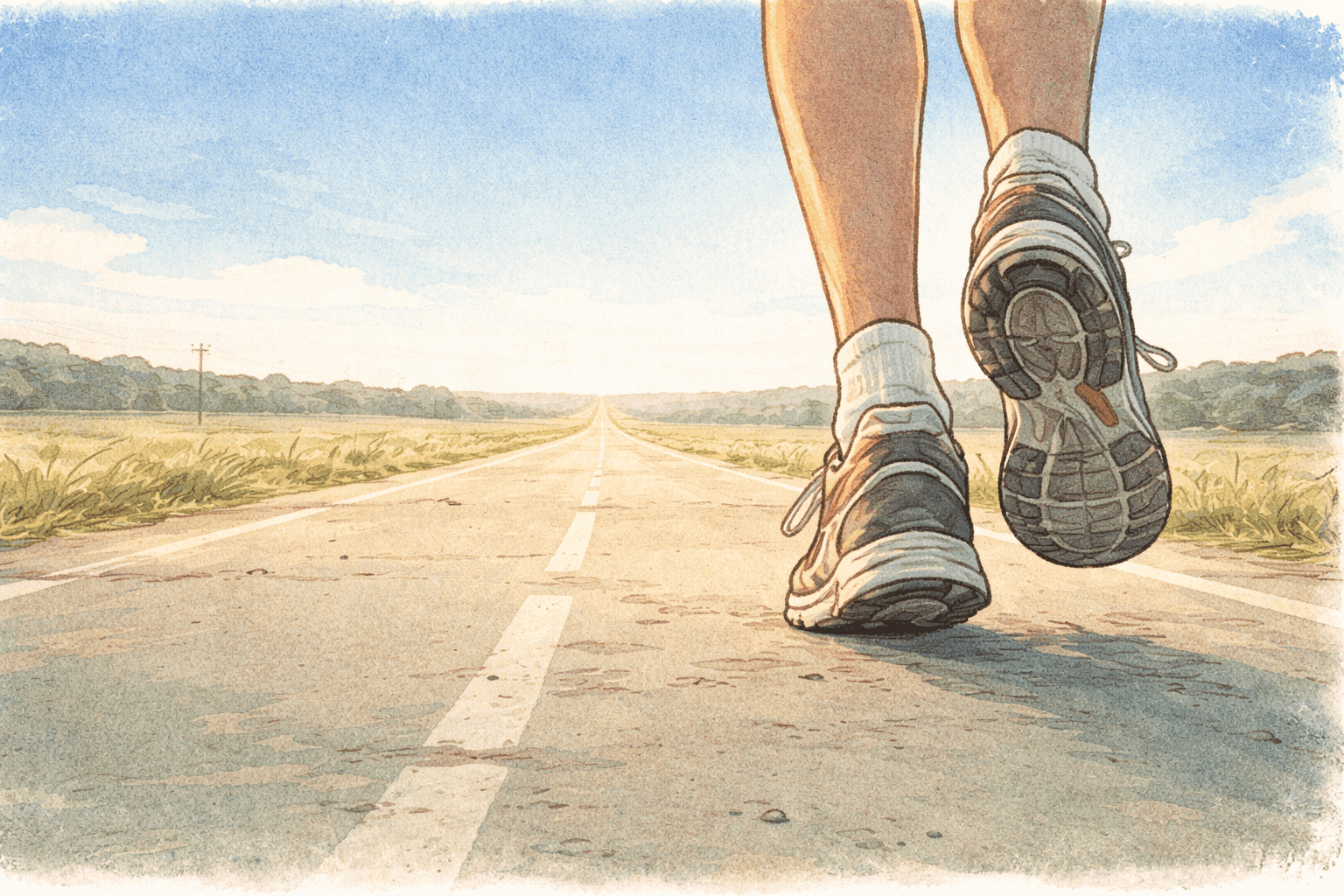
Inspirational image for quote

"Pain is inevitable. Suffering is optional."

-- Haruki Murakami

Haruki Murakami (born 1949) is a Japanese novelist whose work has been translated into more than fifty languages and sold tens of millions of copies worldwide. Born in Kyoto and raised in Kobe, he ran a jazz bar in Tokyo for several years before beginning to write fiction in his late twenties. His novels -- including Norwegian Wood, Kafka on the Shore, and The Wind-Up Bird Chronicle -- blend the mundane and the surreal in ways that have made him one of the most internationally beloved writers of the last half century. He is also a dedicated long-distance runner who has completed more than thirty marathons and an ultramarathon, and this quote comes from What I Talk About When I Talk About Running, his memoir about running and writing. The two disciplines, for Murakami, are inseparable: both require showing up daily, tolerating discomfort, and choosing not to let temporary pain become permanent identity.

RESILIENCE
MINDSET
AGENCY

Context

Murakami wrote this in What I Talk About When I Talk About Running, published in 2007, reflecting on what long-distance running taught him about endurance. He drew a distinction that is easy to state and hard to hold: pain -- the physical fact of exhausted muscles, the emotional reality of loss or failure or disappointment -- is something that will arrive whether you invite it or not. Suffering is different. Suffering is what happens when pain meets resistance, when you add the layer of "this should not be happening to me." The Buddhist philosophy underlying the distinction is ancient; what Murakami did was locate it in something as concrete and unglamorous as running twenty-six miles. You cannot negotiate with the mile markers. But you can choose what you tell yourself about what they mean.

Today's Mantra

I accept what is unavoidable and refuse to add unnecessary weight to it.

Reflection Question

Where in your life right now are you taking something that is painful but unavoidable and turning it into suffering by fighting it, resisting it, or insisting it should not be happening? What would it feel like to stop arguing with the fact of it -- not to like it, but simply to stop adding resistance on top?

Application Tip

The next time you are in physical or emotional discomfort, try a two-step practice Murakami describes in his running memoir. First, simply name it: "This is pain. It is real and it is happening." Second, ask: "Am I adding anything to this -- a story, a judgment, a demand that it stop?" If the answer is yes, see if you can set that layer down without setting down the feeling itself. You are not pretending it doesn't hurt. You are choosing not to amplify it. Do this once this week with something small -- a sore muscle, a frustrating meeting, a minor disappointment -- and notice whether naming the distinction changes anything about your experience of it.

Terms and ConditionsDo Not Sell or Share My Personal InformationPrivacy PolicyPrivacy NoticeAccessibility NoticeUnsubscribe
Copyright © 2026 Inspirational Quotes