
Personal Growth

Recent Content

The Only Life You Have

The Only Life You Have

Post

Kazuo Ishiguro writes about the lives we did not choose. Discover why accepting the life you are actually living is its own form of quiet courage.

Habit Over Inspiration

Habit Over Inspiration

Post

Octavia Butler knew inspiration is unreliable. Discover why the writers and creators who last are the ones who show up by habit, not by feeling.

The Hardest Thing to See

The Hardest Thing to See

Post

George Orwell believed clarity is an act of courage. Discover how seeing things plainly -- and saying so -- transforms both your thinking and your life.

Show, Don't Announce

Show, Don't Announce

Post

Anton Chekhov believed the most powerful writing never announces itself. Discover how showing instead of telling transforms the way you communicate and connect.

Beauty as the Last Rebellion

Beauty as the Last Rebellion

Post

Fyodor Dostoevsky believed beauty holds a redemptive power most of us overlook. Discover what he meant and how it applies to the way you move through the world.

See All Content
Terms and ConditionsDo Not Sell or Share My Personal InformationPrivacy PolicyPrivacy NoticeAccessibility NoticeUnsubscribe
Copyright © 2026 Inspirational Quotes

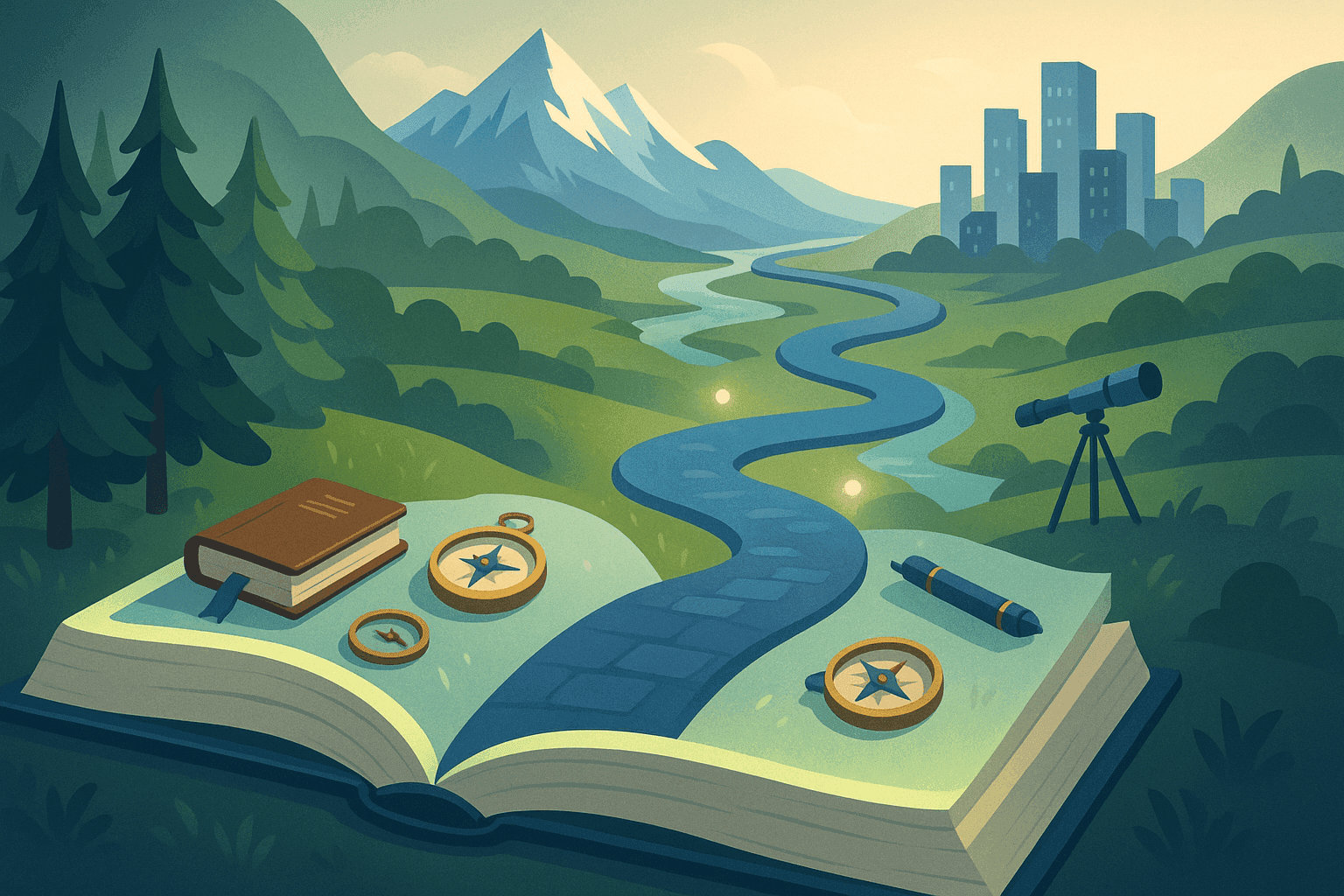
Reading the Room of Life

Inspirational image for quote

"I have never let my schooling interfere with my education."

— Mark Twain

Mark Twain (1835-1910), born Samuel Clemens, was an American writer, humorist, and social critic whose sharp wit and keen observations made him one of literature's most quotable voices. Author of classics like "The Adventures of Huckleberry Finn" and "The Adventures of Tom Sawyer," Twain left formal schooling at age twelve to work as a printer's apprentice and riverboat pilot. These real-world experiences became his true education, providing the material and perspective that shaped his literary genius. His life exemplified his belief that curiosity, observation, and lived experience teach lessons no classroom can replicate.

PERSONAL GROWTH
LEARNING
CURIOSITY

Context

Twain's clever distinction between "schooling" and "education" challenges our reverence for formal credentials over actual learning. He's not dismissing academic institutions but recognizing their limitations—schools can teach facts and methods, but true education encompasses curiosity, critical thinking, empathy, and wisdom gained through direct experience. Twain learned navigation on the Mississippi River, human nature in printing houses and mining camps, and storytelling craft through trial and error. His masterworks emerged from this self-directed education rather than classroom instruction. In today's credential-obsessed culture, this perspective remains radical: degrees open doors, but genuine education—the kind that makes you insightful, adaptable, and wise—comes from remaining curious, asking hard questions, learning from mistakes, and synthesizing knowledge from diverse sources throughout life.

Today's Mantra

I remain a curious student of life, learning from every experience.

Reflection Question

What's the most valuable lesson you've learned outside of formal education? How did real-world experience teach you something that no classroom or textbook ever could?

Application Tip

Design your own "alternative curriculum" this month by identifying three skills or knowledge areas that genuinely interest you but aren't related to your formal credentials. Commit to learning through direct experience rather than courses: if curious about photography, take photos daily rather than watching tutorials; if interested in leadership, volunteer to organize something; if drawn to cooking, experiment with techniques instead of following recipes exactly. Document what you learn through doing versus what you might have learned passively. Notice how hands-on experimentation, failure, and adjustment create deeper understanding than theoretical knowledge alone. This practice honors Twain's insight that education happens everywhere if we remain curious.