
Personal Growth

Recent Content

Writing to Find Out

Writing to Find Out

Post

Flannery O'Connor believed writing was how she found out what she truly thought. Discover what this reveals about the power of putting ideas into words.

The Art of Failing Better

The Art of Failing Better

Post

Samuel Beckett wrote the most famous instruction for anyone who has ever failed. Discover why trying again after failure is the only move that actually matters.

The Only Life You Have

The Only Life You Have

Post

Kazuo Ishiguro writes about the lives we did not choose. Discover why accepting the life you are actually living is its own form of quiet courage.

Habit Over Inspiration

Habit Over Inspiration

Post

Octavia Butler knew inspiration is unreliable. Discover why the writers and creators who last are the ones who show up by habit, not by feeling.

The Hardest Thing to See

The Hardest Thing to See

Post

George Orwell believed clarity is an act of courage. Discover how seeing things plainly -- and saying so -- transforms both your thinking and your life.

See All Content
Terms and ConditionsDo Not Sell or Share My Personal InformationPrivacy PolicyPrivacy NoticeAccessibility NoticeUnsubscribe
Copyright © 2026 Inspirational Quotes

Dreams Are Not Optional

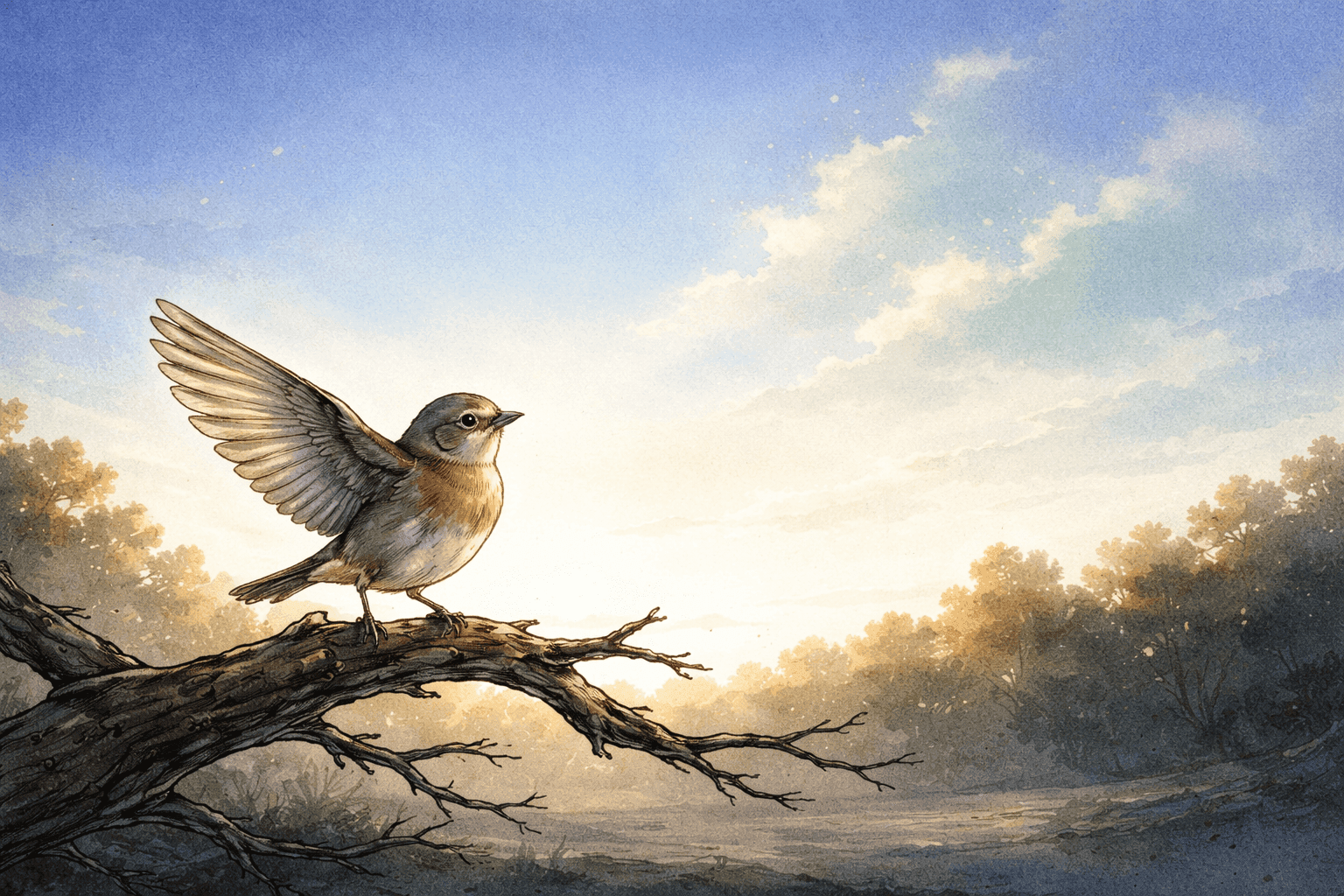
Inspirational image for quote

"Hold fast to dreams, for if dreams die, life is a broken-winged bird that cannot fly."

— Langston Hughes

Langston Hughes (1901–1967) was an American poet, novelist, and playwright who became one of the defining voices of the Harlem Renaissance. Born in Joplin, Missouri, and largely self-made as a writer, Hughes found his material in the blues, jazz, and everyday lives of Black Americans, insisting their stories deserved a place at the center of American literature. He published his first major poem, "The Negro Speaks of Rivers," at just nineteen years old. Over four decades he produced more than thirty books, and his influence stretched across generations of writers, musicians, and civil rights leaders who drew on his belief that art and dignity are inseparable.

Personal Growth
Dreams
Resilience

Context

Hughes published "Dreams" in 1922, a two-stanza poem written when he was just twenty years old and already developing the spare, musical style that would define his work. The poem is not about sleeping and dreaming. It is about the ambitions, visions, and desires a person carries through life and what happens when those are allowed to fade. The broken-winged bird cannot fly not because it lacks will, but because it has lost the thing that made flight possible. Hughes wrote this during a period when systemic barriers surrounded him on every side, which makes the urgency of "hold fast" all the more deliberate. Dreams, for Hughes, were not luxuries. They were the mechanism of survival and the engine of progress.

Today's Mantra

I protect my dreams as fiercely as I protect everything else that matters to me.

Reflection Question

Is there a dream you once held tightly that you have gradually loosened your grip on? What convinced you to let it go, and was that reason yours — or did it belong to someone else's expectations, doubts, or timeline?

Application Tip

Set aside fifteen minutes this week and write down every dream you are currently holding, including the ones you have been quietly talking yourself out of. For each one, ask a single honest question: did I let this go because it stopped mattering, or because it felt too hard, too far away, or too risky? The ones in that second category deserve a second look. You do not have to act on all of them today. But knowing which ones you still want is the first step toward going back to get them.